
Light Requirements
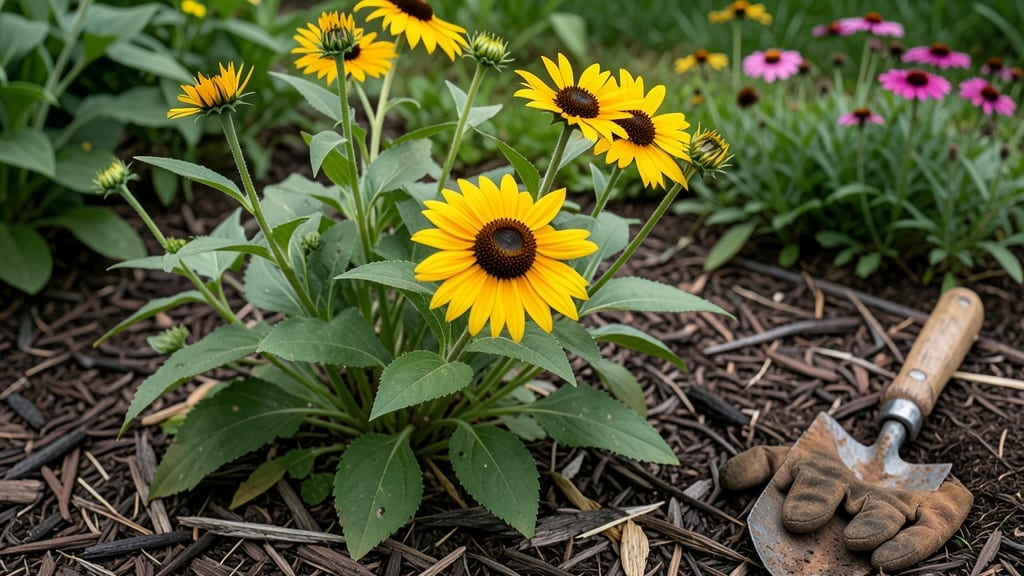
These perennial flowers that take full sun, like black-eyed Susan, coneflower, daylily, and lavender, thrive under intense sunlight, delivering vibrant blooms with minimal watering. These hardy plants adapt well to dry conditions, making them perfect for sunny landscapes.
Perennial flowers that take full sun aren't just about surviving harsh conditions—they're designed to thrive in them. 🌞 The key lies in their deep root systems, which access moisture and nutrients even in dry soil, while their waxy leaves reduce water loss.
I've seen Russian sage and blanket flower maintain their color through summer heatwaves, proving that proper plant selection can cut water bills by up to 30%. Pair these with well-draining soil and you'll get blooms that last from early summer through fall.
What sets these sun-lovers apart is their ability to rebloom with minimal intervention. Unlike annuals, perennials return year after year, building stronger root systems each season. For example, coreopsis often self-seeds, creating natural drifts of color that require no replanting.
The trade-off? Some varieties like delphiniums may need occasional staking, but the payoff—months of vibrant blooms—makes it worth the effort.
💡 In This Article
- How Sun Exposure Affects Perennial Flower Growth
- Top 5 Low-Maintenance Sun-Loving Perennials for Beginners
How sun exposure affects perennial flower growth
Sunlight isn't just light—it's the primary energy source that drives photosynthesis, where plants convert carbon dioxide and water into glucose and oxygen using chlorophyll. Perennials adapted to full sun (defined as 6+ hours of direct sunlight daily) have evolved specialized mechanisms to handle intense light.
Their leaves often contain higher concentrations of carotenoids and anthocyanins, pigments that act like natural sunscreen, protecting delicate tissues from UV damage while still allowing sufficient light absorption for energy production.
The real magic happens below ground.
Deep-rooted perennials like black-eyed Susan (Rudbeckia hirta) develop taproots that can reach 3-5 feet deep, accessing moisture and nutrients that shallow-rooted plants can't. This adaptation explains why they thrive in drought conditions—studies show these roots can absorb water from up to 24 inches below the surface, where soil remains moist longer. 🌿 Meanwhile, their waxy leaf coatings reduce water loss through transpiration, a critical survival trait in scorching climates.
Not all perennials metabolize sunlight the same way. Succulents like sedum store water in their leaves, while delphiniums rely on rapid water uptake through their fibrous root systems.
The difference becomes clear when you compare their growth patterns: succulents grow slowly but steadily, while delphiniums bolt upward quickly when temperatures rise above 75°F. This explains why some perennials wilt in heat while others flourish—it's all about their evolutionary adaptations to sunlight intensity.
Heat stress occurs when temperatures exceed 90°F for prolonged periods, causing chlorophyll to break down and stomata (leaf pores) to close. This triggers a survival response where plants reduce photosynthesis to conserve water, which is why you might see yellowing leaves or stunted growth in heat-sensitive varieties.
Sun-loving perennials combat this by producing heat-shock proteins that protect cellular structures, allowing them to continue blooming even when other plants fade.
Consider lavender (Lavandula) as a prime example. Its silvery foliage reflects up to 30% of sunlight, reducing heat absorption while its dense growth habit creates shade for roots.
This dual strategy explains why lavender not only survives but thrives in full sun gardens, often blooming more prolifically than in partial shade. The lesson? Sun exposure isn't just about light—it's about how plants have evolved to balance energy production, water conservation, and temperature regulation.
For gardeners, this means choosing perennials based on their native climates. Mediterranean species like rosemary and sage have adapted to hot, dry summers, while North American natives like coneflower (Echinacea) have developed deep roots to handle continental climates.
Understanding these adaptations helps you select plants that won't just survive but will excel in your garden's specific conditions. 🌞