
Flowers
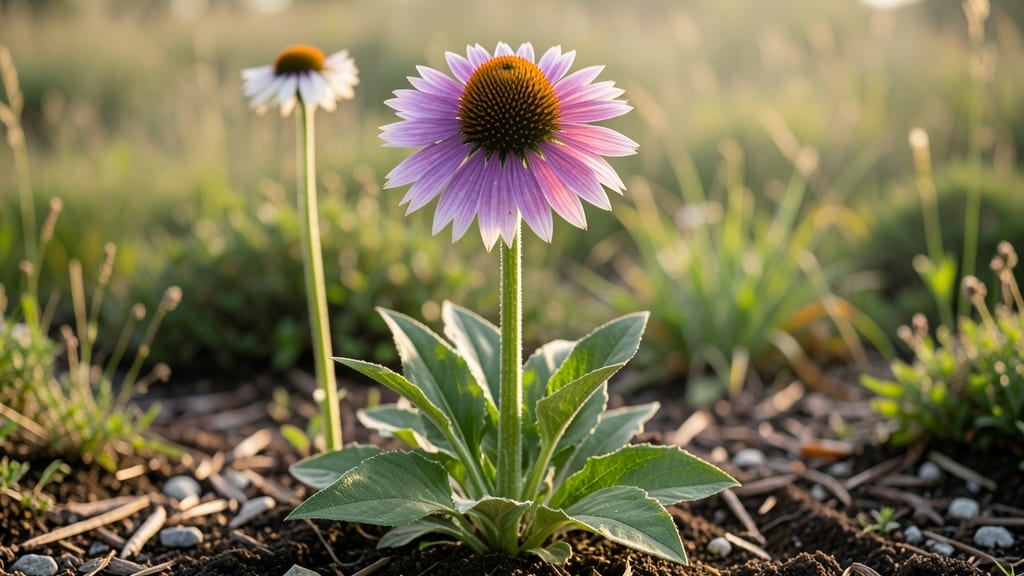
To define perennial flowers, they are plants that return each year from the same root system, living multiple seasons and blooming repeatedly without needing replanting. Their deep roots and resilience make them ideal for low-maintenance gardens compared to annuals or biennials.
To define perennial flowers means understanding that they store energy in their roots during off-seasons, allowing them to push new growth when conditions improve. 🌸 Unlike annuals that complete their lifecycle in one season, perennials develop extensive root networks that anchor them and store nutrients. This adaptation lets them survive harsh winters, droughts, or heatwaves while still producing vibrant blooms year after year. Popular choices like coneflowers and daylilies prove how perennials combine beauty with durability, making them garden workhorses.
What makes perennials particularly valuable is their ability to establish themselves over time. Once planted, they often spread through rhizomes or self-seed, creating naturalized meadows that require minimal intervention. This contrasts sharply with annuals, which must be replanted annually, or biennials that only bloom once before dying.
For gardeners seeking long-term impact with less effort, perennials deliver both aesthetic rewards and practical benefits that annuals simply can't match.
💡 In This Article
- How Perennial Flowers Survive and Thrive Year After Year
- Choosing Perennial Flowers for Your Garden Climate
How perennial flowers survive and thrive year after year
The secret to perennials' longevity lies in their rhizomatous or tuberous root systems, which act like natural energy banks. Unlike annuals that invest all their resources into a single growing season, perennials store carbohydrates in thickened roots, bulbs, or corms during dormancy.
For example, peony roots can swell to store enough energy to fuel 50+ years of growth—some historic garden specimens still bloom today from 19th-century plantings! This stored energy allows them to push new shoots when temperatures rise in spring, even after months of freezing ground.
Dormancy is another critical mechanism where perennials enter a metabolic slowdown during harsh conditions. Some species like hellebores (Lenten roses) actually bloom in late winter before leaves emerge, while others like coneflowers drop foliage completely in fall but maintain living roots underground.
The key difference from annuals is that perennials never fully die—their root systems remain active, ready to respond to environmental cues. 🌱 Even in drought-prone areas, deep-rooted perennials like Russian sage can access moisture from 6+ feet below ground, while annuals would wither without frequent watering.
Seasonal adaptation also explains why perennials outperform annuals in challenging climates. Many develop woody stems at their base (like ornamental grasses) that insulate the growing point, or produce succulent leaves that store water (as seen in hostas).
The trade-off? Their slower initial growth compared to fast-blooming annuals like marigolds. But once established, perennials often spread through underground runners, creating dense colonies that crowd out weeds naturally—a process annuals can never replicate.
Consider the contrast with biennials: plants like foxgloves complete their lifecycle in two years, storing energy in their first year only to flower and die the second. Perennials break this cycle by continuing the process indefinitely.
Even their flowers play a role—many perennials produce seeds that self-sow, ensuring genetic continuity without relying on human replanting. This biological efficiency is why landscapes filled with perennials (like prairie gardens) require so little maintenance after the first few years.
The science of perennials also explains their superior resilience to pests. Annuals often attract more insects because they're temporary food sources, while established perennials develop natural defenses through allelopathy—chemicals released by roots that deter competitors.
For instance, lavender's essential oils create a protective zone that keeps weeds and some pests at bay, a strategy annuals can't match. 🌿 This combination of energy storage, dormancy, and defensive adaptations makes perennials the ultimate low-maintenance garden investment.