
Light Requirements
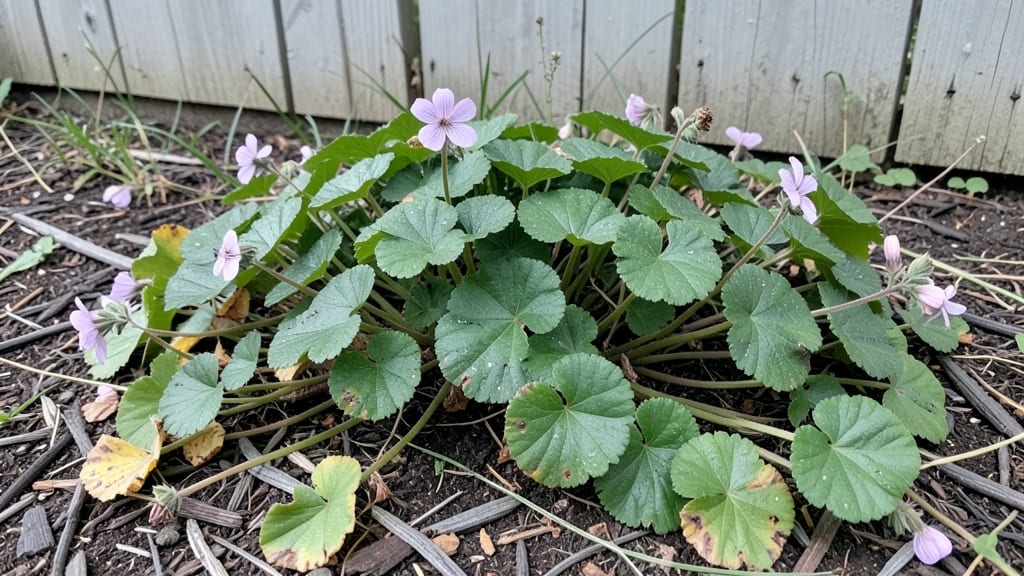
Perennial geraniums for shade thrive best with varieties like Geranium macrorrhizum (crawling geranium) or Geranium phaeum (dusky geranium), which tolerate partial to full shade while offering vibrant foliage and delicate blooms. Choose well-draining soil and avoid soggy conditions to prevent root rot.
Shade-loving geraniums aren't just about survival—they bring bold colors and textures to dim corners of your garden. 🌿 The secret lies in their leaf structure: Geranium macrorrhizum thrives in dappled light with its silvery foliage, while Geranium phaeum handles deeper shade with purple-tinged leaves.
These plants adapt by growing lower to the ground, conserving energy while still producing charming blooms. For best results, pair them with mulch to regulate moisture and improve soil aeration—this mimics their natural woodland habitats.
What sets these shade geraniums apart is their resilience during colder months. Unlike their sun-loving cousins, they develop thicker stems and more compact growth habits, making them ideal for USDA zones 4-8.
I've found that dividing established clumps every 3-4 years keeps them vigorous, while a light top dressing of compost in early spring gives them the nutrients they need to bounce back after winter. The key is patience—their slow-and-steady growth rewards gardeners with months of color where other plants might struggle.
💡 In This Article
- Shade-Tolerant Geranium Species Breakdown
- Planting and Care Tips for Shade-Grown Geraniums
Shade-tolerant Geranium species breakdown
The three standout shade-tolerant geraniums—Geranium macrorrhizum, Geranium phaeum, and Geranium sylvaticum—each developed unique adaptations for low-light environments.
Their leaf structure plays a critical role: Geranium macrorrhizum features fuzzy, silver-gray pubescent leaves that reflect light, while Geranium phaeum has smoother, deep purple foliage that absorbs available light more efficiently.
These differences explain why macrorrhizum thrives in 30-50% shade (like dappled woodland edges) while phaeum handles 50-70% shade (such as under large trees).
Their bloom colors also reflect their light needs: Geranium macrorrhizum produces pale pink to lavender flowers that appear in late spring, while Geranium phaeum offers striking blue-violet blooms that emerge slightly later. Geranium sylvaticum, the woodland geranium, stands out with its bright blue flowers and prefers 60-80% shade, making it ideal for northern gardens where sunlight is limited.
All three species grow 6-12 inches tall, staying compact enough to thrive in shaded borders where taller plants might compete for light.
Hardiness zones reveal their adaptability: Geranium macrorrhizum (zones 4-9) handles colder winters better than Geranium phaeum (zones 5-8), while Geranium sylvaticum (zones 4-7) excels in cooler climates.
The pubescent leaves of macrorrhizum act like tiny insulation layers, protecting against frost damage, while the glossy leaves of phaeum help channel light deeper into the plant.
This structural diversity explains why they succeed in different shade microclimates—macrorrhizum in dry shade, phaeum in moist shade, and sylvaticum in consistently damp conditions.
What most gardeners overlook is how these plants' growth habits change with light levels.
In partial shade, Geranium macrorrhizum spreads aggressively via runners, creating a dense ground cover, while in full shade, its growth becomes more upright. Geranium phaeum, meanwhile, develops more compact clumps when light is limited, producing fewer but larger blooms.
This plasticity is why they're often found thriving in woodland gardens where light conditions vary dramatically throughout the day.
For visual impact, consider pairing Geranium macrorrhizum's silver foliage with Geranium phaeum's purple leaves—this creates stunning contrast in shaded borders. The sylvaticum's blue flowers add a pop of color that brightens dark corners.
Their leaf textures also play a role: the fuzzy leaves of macrorrhizum feel almost velvety to the touch, while phaeum's leaves have a slightly waxy sheen that makes them more disease-resistant in humid shade. These subtle differences make each species uniquely suited to specific garden challenges.
Here's what to watch for when selecting: Geranium macrorrhizum needs well-draining soil to prevent root rot, while Geranium phaeum tolerates slightly more moisture. Geranium sylvaticum, with its woodland origins, prefers acidic soil (pH 5.5-6.5) and benefits from leaf mulch to mimic forest floor conditions.
Understanding these preferences helps you create the perfect microclimate for each variety to flourish.