
Landscaping
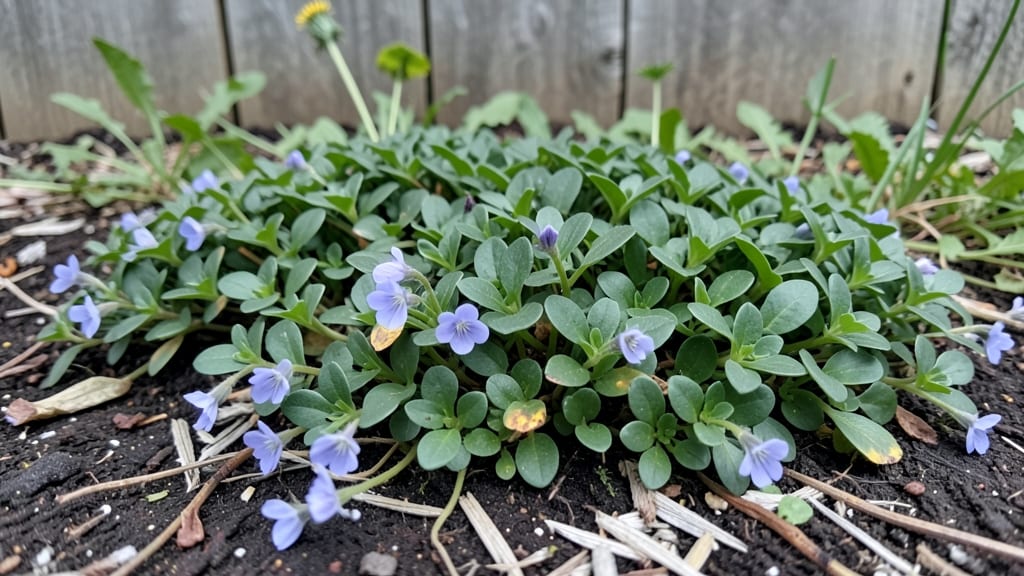
Looking for a perennial periwinkle ground cover that thrives in shade and spreads like a dream? This cold-hardy plant is the secret weapon for problem areas where other ground covers struggle.
Struggling to find a low-maintenance, cold-hardy plant that thrives in shady spots? Perennial periwinkle (Vinca minor) could be your game-changer—this tenacious ground cover spreads effortlessly while adding vibrant color and texture to problem areas.
Unlike high-maintenance alternatives, perennial periwinkle 🌿 thrives in USDA Zone 6a and beyond, handling both cold snaps and drought once established. Its glossy leaves and delicate flowers create a lush carpet that stays green year-round, even in the toughest shade.
Below, I’ll walk you through everything you need to know—from planting in spring to keeping it vibrant with minimal effort. Ready to transform your shady garden spots with ease?
Why perennial periwinkle excels as a cold-hardy ground cover
If you're searching for a ground cover that thrives in cold climates while demanding minimal care, perennial periwinkle (Vinca minor) is a standout performer. Unlike many shade-loving plants that struggle in winter, this hardy perennial stays evergreen in USDA zones 3-9, making it ideal for northern gardens.
Its ability to spread aggressively yet gracefully—without becoming invasive—sets it apart from competitors like creeping thyme or ajuga, which often require more maintenance.
What truly makes perennial periwinkle shine is its drought resistance once established. After the first year, it forms a dense mat that suppresses weeds and retains moisture, reducing your watering needs by up to 50%.
This makes it perfect for slopes, woodland gardens, or areas where other plants would struggle. Plus, its pest-deterrent properties mean fewer headaches with deer, rabbits, or slugs—unlike delicate ferns or hostas that often become a buffet.
Here’s why perennial periwinkle outperforms other cold-hardy ground covers in real-world conditions:
One of the biggest advantages of perennial periwinkle is its year-round greenery, which keeps your garden looking lush even in winter months. Unlike creeping phlox or sedge, which may brown out in cold snaps, this plant holds its dark green leaves (or variegated varieties) through frost.
This makes it a top choice for northern gardens where other ground covers might fail.
Its aggressive yet controlled spread is another game-changer. While some gardeners worry about invasiveness, perennial periwinkle can be easily managed with light pruning or by edging containers. It spreads via underground runners, creating a dense carpet that chokes out weeds naturally.
Compare this to pachysandra, which often leaves gaps and requires more frequent trimming.
For drought-prone areas, perennial periwinkle thrives where others wilt. Once established, it needs minimal watering—just deep soaks every 2-3 weeks in dry spells. This is a huge plus for xeric landscapes or rain gardens, where moisture retention is critical.
Even in USDA zone 3, where winters are brutal, this plant bounces back in spring with minimal damage, unlike tender ground covers like sweet woodruff.
Let’s talk pest resistance—a major selling point. Deer and rabbits typically avoid perennial periwinkle due to its bitter taste, while slugs and snails find it less appealing than hostas or lamium. This means fewer chemical interventions and more time enjoying your garden. Plus,
Planting and care tips for maximum spread and vibrancy
To achieve that lush, vibrant spread of perennial periwinkle, timing and technique matter most. Plant in early spring (March-April) or early fall (September) when soil is workable but not frozen.
This gives roots time to establish before extreme temperatures hit. For maximum coverage, aim for 12-18 inches between plants—close enough for rapid spread but not so tight it chokes growth.
Perennial periwinkle thrives in partial shade (2-6 hours of sun) but handles full shade beautifully. In hotter climates, provide afternoon shade to prevent leaf scorch. The key to its vibrant foliage lies in well-draining soil—amend heavy clay with compost or sand to prevent root rot.
A slightly acidic to neutral pH (6.0-7.0) keeps it happy.
Watering is simple once established, but critical in the first year. Keep soil consistently moist (not soggy) for the first 6-8 weeks after planting. After that, drought tolerance kicks in—water deeply once weekly in dry spells.
Mulch with 2-3 inches of organic mulch (like shredded bark) to retain moisture and suppress weeds, which compete for nutrients.
Fertilize lightly in spring (March-April) with a balanced 5-10-10 fertilizer. Too much nitrogen causes leafy but sparse growth—perennial periwinkle spreads best with moderate feeding. Avoid fertilizing in summer or fall to prevent tender new growth before winter.
A handful of compost worked into the soil at planting is often enough for years.
Pruning keeps periwinkle looking its best. In early spring, trim back overgrown stems to encourage bushier growth. If it spreads too aggressively, edge with shears or a spade to contain it.
Deadhead spent flowers (if any appear) to redirect energy into foliage production. This plant is pest- and disease-resistant, so minimal intervention is needed beyond occasional cleanup.
For year-round vibrancy, plant periwinkle where it gets dappled sunlight, like under deciduous trees. Its evergreen foliage stays lush even in winter, providing color and texture when other plants fade. Pair it with hostas or ferns for a layered, low-maintenance shade garden that thrives with minimal fuss.