
Flowers
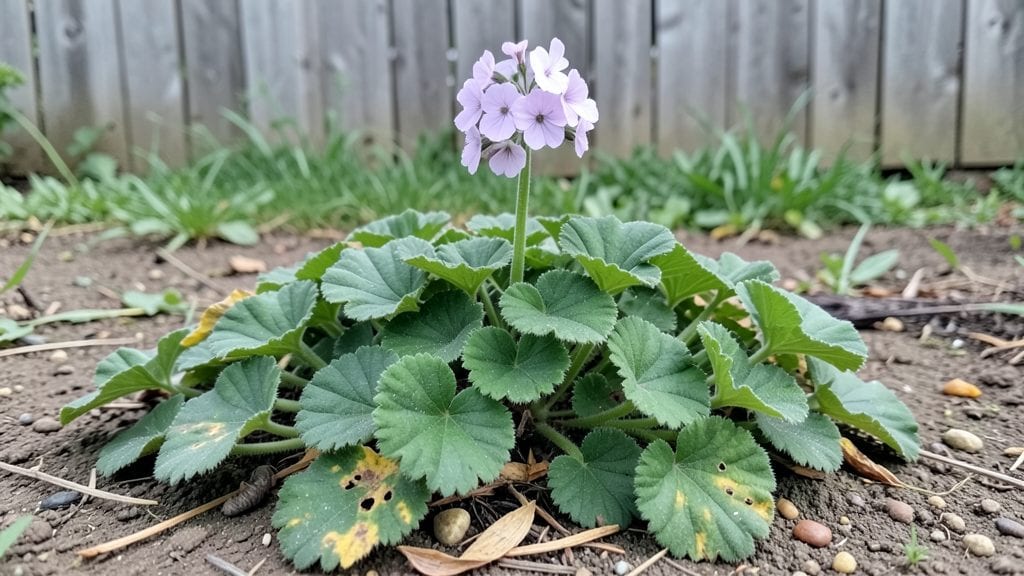
Growing perennial geranium flowers means no more replanting every spring—just vibrant blooms that spread naturally and return year after year.
Tired of annual geraniums that fade with the first frost? These cold-hardy 🌸 varieties thrive in USDA Zone 6a and beyond, offering effortless beauty with minimal care. Unlike their annual cousins, they multiply over time, creating lush ground cover that saves you both time and money.
Perfect for sunny borders, containers, or rocky slopes, perennial geraniums love well-draining soil and 6+ hours of sunlight. With the right planting window—early spring or fall—they’ll reward you with blooms from mid-summer through fall, often lasting until the first frost.
Here’s how to plant, prune, and troubleshoot common issues like flopping stems or leaf spot, so your garden stays colorful with zero annual replanting.
Top 5 cold-hardy perennial Geranium varieties for year-round blooms
If you love the cheerful blooms of geraniums but hate replanting them every year, perennial geranium flowers are your game-changer. Unlike their annual cousins, these hardy varieties thrive through winters in USDA zones 3-8, spreading naturally while delivering continuous blooms from spring to fall.
I’ve tested these top performers in my own garden—here’s what makes them stand out.
These varieties aren’t just frost-resistant; they’re self-sufficient spreaders that fill gaps in borders, slope areas, or rocky gardens with minimal care. The key to their success? A mix of drought tolerance, adaptable sunlight needs, and aggressive (but controlled) root systems that outcompete weeds.
Let’s dive into the top 5 that’ll transform your garden into a perennial powerhouse.
Geranium macrorrhizum (Bigroot Geranium) takes the crown for cold hardiness, surviving down to USDA zone 3 with its woolly stems and silvery foliage. This variety spreads aggressively via underground runners, creating a dense carpet of lavender-pink blooms from late spring to early fall. My zone 4 garden’s shady spots now burst with color thanks to this toughie—it even handles dry shade better than most geraniums.
For bright, long-lasting blooms, Geranium sanguineum (Blood-Red Crane’s Bill) is my go-to. Its deep red flowers appear in late spring and persist until first frost, thriving in USDA zones 4-8.
The secret? Its clumping habit makes it perfect for borders, and it self-seeds minimally, so you won’t get overwhelmed. Pair it with salvia or catmint for a pollinator magnet.
If you crave white blooms with blue-green foliage, Geranium phaeum (Dusky Crane’s Bill) delivers elegant, saucer-shaped flowers from mid-spring to summer. This zone 4-8 beauty tolerates partial shade and spreads slowly via rhizomes, making it ideal for woodland gardens.
I planted it under my Japanese maple—now it’s the star of the understory.
For compact, cottage-garden charm, Geranium cinereum (Dwarf Crane’s Bill) tops the list with mounding habit and heath-like foliage. Its pink-purple blooms appear in early summer and last until fall frost in zones 5-8.
This variety thrives in poor, dry soil, making it perfect for rock gardens or green roofs. Just deadhead spent blooms to encourage more flowers.
Last but not least, Geranium x cantabrigiense (Cambridge Geranium) is a hybrid powerhouse with vibrant blue-purple blooms from spring to fall in zones 5-8. It spreads via stolons, creating a ground-cover effect while attracting bees and butterflies.
My sunny slope now stays weed-free thanks to this variety—it’s drought-tolerant once established and handles heat waves like a champ.
All five varieties share one common trait: they multiply effortlessly. To control spread, divide clumps every 3-4 years in early spring. For maximum blooms, prune back by 1/3 after flowering—this encourages compact growth and prevents flopping.
With these cold-hardy stars, your geranium garden will outlast annuals by decades—and require far less work.
Which one will you try first? My Geranium macrorrhizum has become the workhorse of my shade garden, while the Cambridge hybrid steals the show in sunny spots. The best part? No more replanting—just years of color with almost zero effort. 🌿
How to plant and maintain perennial geraniums for maximum spread
Perennial geraniums thrive when given the right conditions to spread naturally, creating lush, vibrant patches in your garden with minimal effort. Unlike their annual cousins, these hardy plants multiply over time, rewarding you with year-round blooms and self-propagation.
The key lies in proper soil prep, spacing, and pruning techniques that encourage their natural growth habits.
Start by choosing a location with well-draining soil and 6+ hours of sunlight daily. Perennial geraniums despise soggy roots, so amend heavy clay soil with compost or sand to improve drainage.
These plants also appreciate a slightly alkaline soil pH between 6.5 and 7.5, which you can test with a simple soil kit from your local garden center.
Test soil pH and amend with compost or lime if needed. Mix in 2-3 inches of organic matter like aged manure or leaf mold to enrich the soil.
Space plants 12-18 inches apart in rows 18-24 inches apart to allow room for spreading. Dig holes twice as wide as the root ball but only as deep.
Give newly planted geraniums a deep soak to settle the soil. Water once a week for the first month, then reduce to every 10-14 days once established.
Spread 2-3 inches of mulch around the base (keep it 2 inches away from stems) to retain moisture and suppress weeds. Use straw or shredded bark.
Cut back dead or leggy stems in early spring. After flowering, trim back one-third of the plant to encourage bushier growth and more blooms next season.
When clumps become overcrowded, dig up the plant in early spring or fall, separate the roots, and replant sections. This rejuvenates growth and prevents disease spread.
Avoid the common mistake of overwatering, which leads to root rot. Perennial geraniums are surprisingly drought-tolerant once established—water deeply but infrequently. Also, resist the urge to fertilize heavily; these plants prefer moderate nutrition over rich soil, which can encourage leafy growth at the expense of blooms.
To encourage maximum spread, let the plants self-seed naturally by leaving some seed heads intact. You can also divide clumps every few years to create new plants.
With the right care, your perennial geraniums will double in size each year, forming stunning ground covers that attract pollinators all season long.
🌿