
Flowers
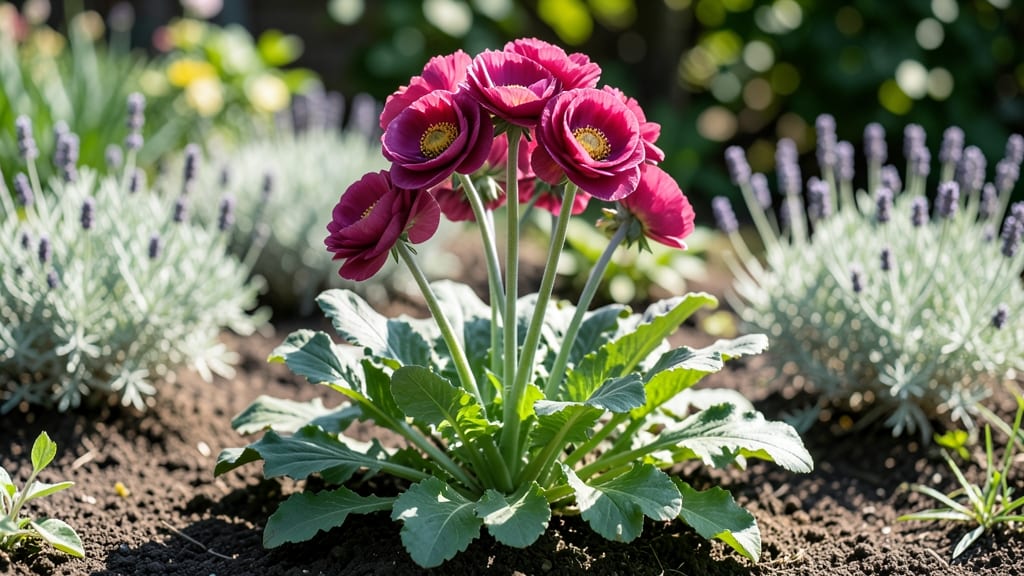
Determining whether ranunculus flowers are perennial or annual depends on your climate: they grow as hardy perennials in Mediterranean regions but are treated as frost-sensitive annuals in most U.S. gardens. Their delicate, layered petals love cool weather but won't survive freezing temperatures without special care.
This distinction comes down to their natural habitat. Ranunculus plants evolved in mild Mediterranean climates where winters rarely drop below freezing, allowing their tubers to stay dormant yet viable year-round. 🌱 In colder U.S. zones, however, those same tubers often rot in the ground when left exposed to frost.
The key difference is that Mediterranean ranunculus develop natural cold resistance through generations of adaptation, while garden varieties rely on human intervention to survive winter. Many gardeners mistakenly assume they're annuals because they don't see regrowth without proper overwintering techniques.
What makes this especially tricky is that even when grown as annuals, ranunculus produce thick, corm-like tubers that could potentially regrow if protected.
The confusion arises because most gardeners don't realize these tubers are the plant's survival mechanism—similar to dahlias or cannas—which means with the right storage methods, you can actually extend their lifespan beyond a single season.
💡 In This Article
- Why Ranunculus Flowers Die Back in Winter
- How to Overwinter Ranunculus Tubers for Next Year
Why ranunculus flowers die back in winter
Ranunculus flowers behave like annuals in colder climates because their Mediterranean origins mean they evolved without natural frost resistance. These plants store energy in thick, corm-like tubers during dormancy, but those tubers lack the protective mechanisms found in true perennials like peonies or hostas.
When temperatures drop below 25°F, the tubers' cell membranes rupture from ice crystal formation, causing irreversible damage. 🌡️
The key difference lies in their growth cycle: Mediterranean ranunculus naturally experience mild winters where tubers remain dormant but viable, while U.S. gardeners often face sudden freezes that bypass this adaptation.
True perennials like coneflowers develop woody stems or deep root systems to insulate against cold, but ranunculus tubers stay near the soil surface—just 2-3 inches deep—making them vulnerable to even light frosts.
What most gardeners miss is that ranunculus tubers contain stored starches that could regrow if protected. Unlike true annuals that complete their entire life cycle in one season, these tubers act like dormant seeds—capable of sprouting when conditions improve.
The confusion stems from their delicate nature: while they thrive in cool spring weather (50-65°F), their inability to withstand freezing temperatures makes them appear annual in colder zones.
Botanically, ranunculus belong to the buttercup family (Ranunculaceae), which includes many frost-sensitive species. Their layered petals and papery texture are adaptations for Mediterranean rainfall patterns—not cold survival. Even in their native habitat, they die back completely in summer droughts, only to regrow from tubers when moisture returns.
This seasonal dormancy is why they're often called "spring ephemerals" in gardening circles.
Consider this comparison: A true perennial like daylilies can regrow from roots that survive -20°F temperatures, while ranunculus tubers begin failing at 30°F. The difference is in their evolutionary history—Mediterranean ranunculus never needed to adapt to extreme cold, whereas U.S. gardeners must provide that protection artificially through overwintering techniques.
The good news? With proper storage, you can break this annual cycle. Many gardeners successfully revive ranunculus year after year by carefully digging and drying tubers before storing them in cool (35-40°F), dry conditions—effectively turning them into perennials in your garden. 💡