
Container Gardens
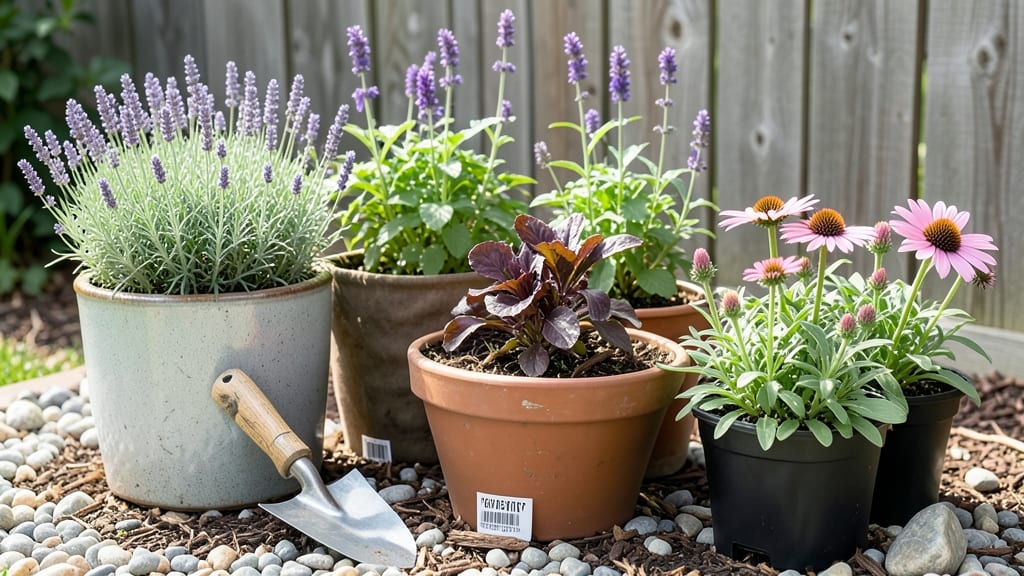
Yes, perennials can be planted in containers when you choose the right plants, use proper soil, and maintain consistent care. Opt for compact or dwarf varieties, ensure containers have drainage holes, and select well-draining potting mix to prevent root rot. Regular watering and seasonal adjustments keep them healthy year-round.
Container gardening opens up endless possibilities for growing perennials, especially when you focus on varieties that naturally stay small or have shallow root systems. 🌿 The key is matching the plant's growth habits to your container size—something like lavender or heuchera thrives in 12-inch pots, while sedum can handle larger containers with ease.
I've found that perennials with fibrous roots adapt best to confined spaces, as they spread horizontally rather than deeply.
Beyond plant selection, the right soil and drainage make all the difference. A mix of 50% potting soil, 30% perlite, and 20% compost creates an ideal environment that mimics natural conditions while preventing waterlogging.
Pro tip: Elevate containers slightly off the ground to improve airflow and reduce moisture buildup at the base. This simple adjustment can extend the lifespan of your perennials by years.
💡 In This Article
- Best Perennial Varieties for Container Gardening
- Container Gardening Tips for Healthy Perennials
Best perennial varieties for container gardening
Perennials thrive in containers when their natural growth habits align with confined spaces. Compact varieties like lavender (Lavandula) stay under 2 feet tall and spread just 1-2 feet wide, making them perfect for 12-inch diameter pots.
Their woody stems and aromatic foliage also deter pests, reducing common container gardening challenges. 🌿 The key is selecting plants with shallow root systems—like heuchera (coral bells)—that spread horizontally rather than deeply, preventing root binding in small containers.
For shade lovers, hostas (Hosta spp.) are excellent choices, thriving in 14-inch pots with their broad leaves and 1-3 foot height. Their preference for moist, well-draining soil makes them ideal for containers with 1-2 inches of compost mixed into the potting mix.
Sun-seekers like sedum (Stonecrop) handle drought better, with some varieties like 'Autumn Joy' reaching 2 feet tall but staying manageable in 16-inch containers when pruned back by one-third after flowering.
Ferns like maidenhair fern (Adiantum) add delicate texture to containers, growing 1-2 feet tall with fronds that cascade beautifully over pot edges. Their preference for consistently moist soil means containers need daily watering checks during summer heat.
For vertical interest, Russian sage (Perovskia) grows 3-5 feet tall but stays narrow, perfect for 18-inch tall containers where its silvery foliage and lavender-blue flowers attract pollinators while staying contained. 🌸
Colorful foliage plants like heuchera (coral bells) come in vibrant shades from deep purple to lime green, thriving in 12-inch pots with 6 hours of sunlight daily. Their clumping growth habit prevents overcrowding, while their 1-2 foot height makes them ideal for mixed containers.
For ground cover, creeping thyme (Thymus serpyllum) spreads just 6-12 inches wide, perfect for 6-inch wide containers along balcony edges where its fragrant leaves and tiny pink flowers add sensory appeal.
When selecting perennials, consider their mature size versus container dimensions—aim for at least 2-3 inches of space between roots and container edges. For example, a 1-gallon container can comfortably hold one 6-inch plant like lavender, while larger 5-gallon containers can accommodate 3-5 plants in a mixed arrangement.
The rule of thumb: smaller containers = fewer plants, but always prioritize drainage and airflow to prevent fungal issues. 🌱
Seasonal considerations matter too—some perennials like columbine (Aquilegia) self-seed prolifically, potentially overcrowding containers. In these cases, remove spent seed heads or thin seedlings to maintain balance. Others, like bee balm (Monarda), benefit from annual division every 2-3 years to refresh growth and prevent root congestion in containers.