
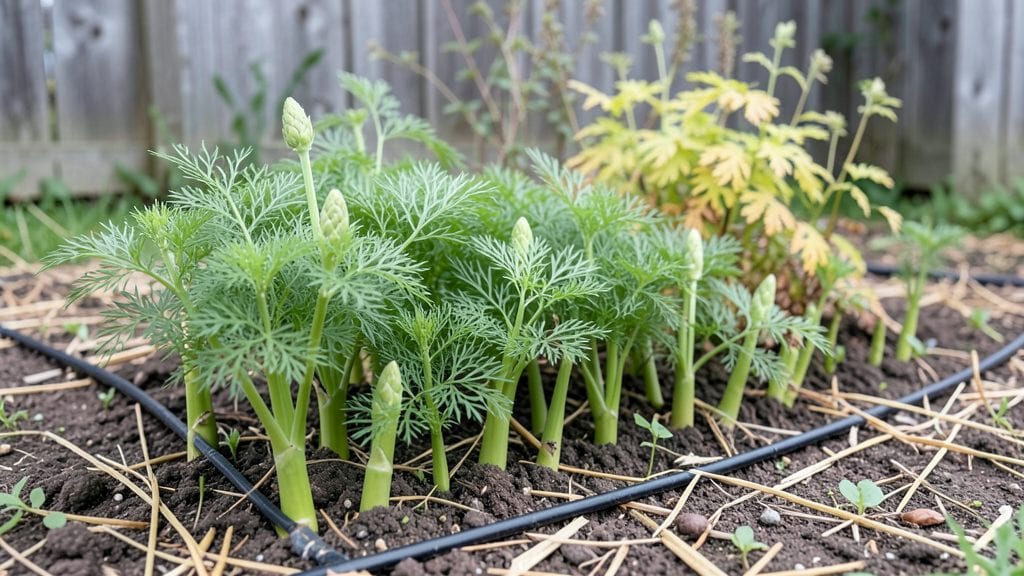
Perennial Food Garden: 50 Self-Sustaining Crops for Zero-Waste Harvests

Vegetables

Perennial Food Garden: 50 Self-Sustaining Crops for Zero-Waste Harvests

A perennial food garden 🌱 could be the game-changer for anyone tired of replanting every spring—because once established, it keeps producing for years with almost no effort.

Imagine walking past rows of asparagus, rhubarb, and fruit bushes that give you fresh harvests from spring through fall, all while saving you time and money. No more scrambling to plant seeds or wrestling with finicky annuals—just a reliable, low-maintenance food source that grows stronger each year.

This isn’t just about saving work; it’s about designing a space that works with nature, not against it. The right layout, plant pairings, and a little upfront planning turn your garden into a self-sustaining machine that feeds you—and your neighbors—without the annual hassle.

Below, I’ll show you how to pick the best crops for your zone, design a layout that maximizes space, and keep your garden thriving with minimal fuss. Ready to grow food that lasts?

Top 15 perennial food crops for year-round harvests

A perennial food garden transforms your yard into a self-sustaining food source. Unlike annuals, these plants return every year, reducing replanting and labor. The key is selecting hardy varieties that thrive in your USDA zone while offering diverse harvests—from sweet fruits to flavorful greens.

These 15 perennial crops deliver consistent yields with minimal maintenance. They adapt to various climates, from cold-hardy asparagus to heat-tolerant yacon. Each plant offers unique benefits: some provide early spring harvests, while others extend into fall or even winter.

Below, I’ve organized them by category—fruits, vegetables, and herbs—to help you design a balanced, high-yielding garden. Pair sun-loving perennials with shade-tolerant varieties to maximize space and productivity.

🌱

How to design a low-maintenance perennial food garden layout

A perennial food garden thrives on smart planning—where every plant has a purpose and space is used efficiently. Unlike annual gardens, perennials grow back year after year, so your layout must account for their mature sizes and companion benefits.

Start by sketching your space, noting sun exposure and soil quality. I’ve found that grouping plants by sunlight needs and harvest seasons reduces maintenance while boosting yields.

Layering is key to maximizing vertical space. Tall perennials like fruit trees or artichokes anchor the back, while mid-height plants such as rhubarb or blueberries fill the middle.

Ground covers like strawberries or miner’s lettuce complete the picture, suppressing weeds and retaining moisture. This approach mimics natural ecosystems, where every layer supports the others.

1
Map Sunlight Zones: Divide your garden into full-sun (6+ hours), partial-shade (3-6 hours), and shade (<3 hours) areas. Use a sunlight tracker for a week to map these zones accurately.
2
Group by Plant Families: Cluster alliums (onions, garlic) together to deter pests, and pair companion plants like basil with tomatoes or carrots with rosemary. This reduces pest spread and improves flavor.
3
Prioritize Perennial Staples: Place high-value crops like asparagus (3-4 years to harvest) or rhubarb (5+ years) in permanent spots. These are long-term investments that repay with decades of harvests.
4
Layer for Efficiency: Use trellises for vining perennials like hardy kiwi or passionfruit to save ground space. Add mulch (straw or wood chips) to retain moisture and suppress weeds naturally.
5
Plan for Succession: Include early-season crops (spinach, peas) near late-season perennials (kale, winter squash) to extend your harvest window. This ensures continuous production with minimal replanting.

Spacing is often overlooked but critical. Crowding plants leads to disease spread and competition for nutrients. Check mature sizes—asparagus crowns need 18 inches apart, while blueberry bushes thrive 4-6 feet apart.

I recommend marking spots with stakes before planting to avoid guesswork. For small spaces, consider container gardening for perennials like dwarf fruit trees or strawberries.

Accessibility matters too. Design paths between rows for easy harvesting and maintenance. Use gravel or stepping stones to prevent soil compaction. In my 200-square-foot garden, I dedicated one path to wheelbarrow access, making it easier to move compost or tools.

This small tweak saved me hours of back-breaking work over the years.

Finally, leave room for dynamic changes. Perennials evolve—some spread aggressively (like comfrey), while others decline after a decade. Plan for rotational replanting every 5-10 years to refresh soil health. I’ve seen gardens thrive for 20+ years by diversifying plant families and amending soil with compost every spring.

Start small, observe how your perennials interact, and refine your layout each season. With the right design, your garden will become a self-sustaining food forest—requiring less effort and yielding more harvests year after year. 🌱

★★★★★4.6(12 reviews)
Categories Vegetables
Plant Sun Needs Water Needs Mature Size Harvest Time Notes
Asparagus Full Sun Medium 3-5 ft tall, 1-2 ft wide Spring (Years 3+) Cold-hardy; lives 15+ years
Rhubarb Full Sun to Partial Shade Medium 2-3 ft tall, 2-3 ft wide Spring-Fall Tolerates frost; avoid overwatering
Strawberries Full Sun Medium-High 6-12 in tall, spreads Spring-Fall (Year 2+) Renews yearly; great for containers
Blueberries Full Sun High 3-6 ft tall, 3-5 ft wide Summer-Fall Acidic soil required; drought-tolerant
Raspberries Full Sun High 4-6 ft tall, 2-3 ft wide Summer-Fall Prune annually; canes live 2-3 years
Jerusalem Artichoke Full Sun to Partial Shade Medium 5-8 ft tall, spreads aggressively Fall-Winter Tuber crop; great for wildlife
Oregano Full Sun to Partial Shade Low-Medium 1-2 ft tall, 1-2 ft wide Year-round (harvest leaves) Drought-resistant; perennial herb
Thyme Full Sun Low 6-12 in tall, spreads Year-round (harvest leaves) Cold-hardy; great for borders
Sage Full Sun Low-Medium 2-3 ft tall, 2-3 ft wide Year-round (harvest leaves) Drought-tolerant; deer-resistant
Chives Full Sun to Partial Shade Medium 1-2 ft tall, clumping Spring-Fall Regrows after cutting; pest-resistant