
Flowers
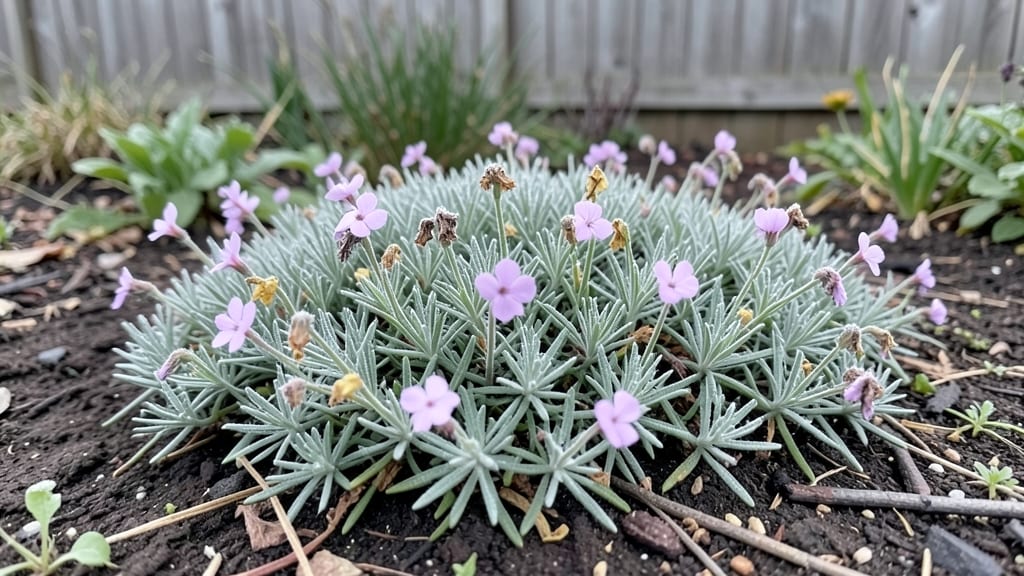
Perennial creeping phlox in winter thrives through dormancy in USDA zones 3-8, but needs protective mulching in colder areas to prevent frost damage and ensure vibrant spring blooms. Trim back foliage in late fall and cover with 2-3 inches of organic mulch.
Creeping phlox isn't just tough—it's a winter survivalist. 🌟 When temperatures drop, its roots and crowns harden like nature's built-in insulation, while above-ground growth withers to conserve energy. The key to keeping your phlox happy through winter lies in mimicking these natural processes with proper mulching and timing.
Unlike annuals that die back completely, creeping phlox stores energy underground, ready to burst back into color when spring arrives.
Here's the secret weapon: organic mulch like straw or shredded leaves. This isn't just about keeping roots warm—it's about maintaining moisture levels and preventing soil heaving, which can uproot delicate plants.
I've seen firsthand how a proper mulch layer acts like a cozy blanket, shielding phlox from temperature swings that could otherwise stress the plant.
💡 In This Article
- Creeping Phlox Winter Survival: Zone Hardiness and Dormancy Science
- Step-by-Step Winter Care Guide for Creeping Phlox
Creeping phlox winter survival: zone hardiness and dormancy science
Creeping phlox survives winter through a fascinating biological process called dormancy, where its growth slows dramatically to conserve energy.
Here's what's actually happening: as temperatures drop below 50°F, the plant stops producing new leaves and flowers, while its roots and crown (the base where stems meet roots) undergo tissue hardening.
This process increases the concentration of sugars and proteins in the cells, acting like antifreeze to prevent ice crystal formation that could rupture cell walls. The plant essentially turns into a living, breathing insulation system.
The USDA zones 3-8 range reflects creeping phlox's ability to tolerate winter lows from -40°F to 10°F, but there's a critical threshold: when temperatures drop below -20°F for extended periods, even hardy varieties can suffer frost damage to their crowns.
The key difference between zones lies in how long the plant can endure these cold snaps. For example, in zone 3, where winters can last 5-6 months, phlox enters dormancy earlier and stays dormant longer compared to zone 8, where mild winters allow for shorter dormancy periods.
What sets creeping phlox apart from other ground covers like sedum or ajuga is its crown insulation strategy. While many perennials rely on thick root systems for protection, creeping phlox develops a woody crown that can withstand freezing temperatures better than softer stems.
This adaptation is why you'll see phlox often thriving in rock gardens or slopes, where other plants might succumb to erosion or cold stress. The plant's ability to regenerate from its crown means even if the above-ground growth dies back completely, the plant can bounce back in spring.
Dormancy isn't just about surviving cold—it's a carefully timed process. In late fall, phlox begins producing bud scales that act like tiny insulation blankets for next year's growth. These scales are packed with waxes and resins that create a waterproof barrier, preventing moisture loss while allowing gas exchange.
This is why you'll often see phlox looking crisp and brown in winter—it's not dead, it's in hibernation mode, conserving every bit of energy until temperatures rise again in spring.
Comparing creeping phlox to other cold-hardy ground covers reveals some interesting trade-offs. While ajuga can handle similar temperatures, its spreading habit makes it more vulnerable to winter heaving (when soil freezes and thaws, pushing plants out of the ground).
Creeping phlox's low-growing, mat-forming growth stays closer to the ground, where temperatures are more stable. Meanwhile, sedum varieties often have thicker leaves that store more moisture, but their stems can be more brittle in extreme cold. The trade-off?
Creeping phlox's delicate blooms make it more sensitive to late spring frosts than its hardier cousins.
Here's what most gardeners don't realize: the plant's winter resilience depends as much on soil conditions as on air temperatures. Well-draining soil is critical because waterlogged roots can't insulate properly—think of it like trying to stay warm in wet clothes versus dry ones.
That's why organic mulch (like straw or shredded leaves) works better than inorganic options: it improves soil structure while adding an extra insulating layer. The 2-3 inch recommendation isn't arbitrary—this thickness creates an insulating layer that can maintain soil temperatures 5-10°F warmer than unmulched soil during cold snaps.
The science of creeping phlox dormancy shows us nature's brilliant efficiency. By slowing its metabolism, hardening its tissues, and insulating its crown, this plant turns winter's challenges into an opportunity for renewal.
When spring arrives, those same buds that survived -20°F temperatures will burst into color with remarkable vigor—proof that sometimes, the best strategy is to simply pause and wait. 💫