
Flowers
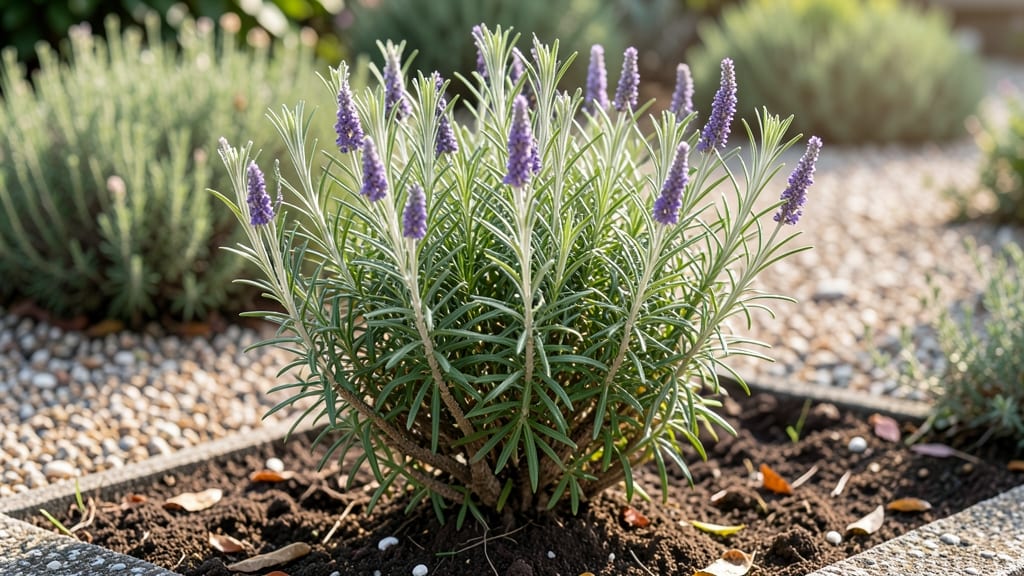
Is rosemary herb a perennial? It depends entirely on climate.
Is rosemary herb a perennial? Native to Mediterranean regions, it thrives as a woody shrub in frost-free zones where temperatures rarely drop below 20°F. In colder areas, frost kills the plant's top growth, forcing gardeners to replant annually unless they take protective measures like container overwintering or heavy mulching.
The key difference lies in its ability to regrow from the root crown when protected—this is why many gardeners in Zones 5-7 successfully keep rosemary year after year despite its reputation as an annual.
What's fascinating is how rosemary's growth habit changes with climate. In warm zones, it develops a sturdy, woody stem system that persists through winters, while in colder regions, it often grows more herb-like with tender stems that freeze back easily.
This adaptation explains why some gardeners swear by potted rosemary—the container acts like a movable greenhouse, shielding roots from extreme cold while allowing easy indoor overwintering.
💡 In This Article
- Rosemary’s Perennial Nature: Climate and Hardiness Zone Breakdown
- Overwintering Rosemary: Step-by-Step Survival Guide for Cold Climates
Rosemary’s perennial nature: climate and hardiness Zone breakdown
Rosemary's perennial status stems directly from its Mediterranean heritage, where it evolved to thrive in USDA Zones 8-10 with mild winters and hot, dry summers. The plant's woody stems develop through years of growth in these frost-free conditions, creating a sturdy, evergreen shrub that can live for decades.
This woody structure acts like a natural insulation system, protecting the plant's vascular tissues from temperature fluctuations. In contrast, the same rosemary planted in Zone 5 or colder will struggle—temperatures below 20°F cause cellular damage to the tender new growth, effectively killing the above-ground portions.
The key difference lies in rosemary's growth habit: in warm climates, it develops a persistent woody base that can regenerate even after pruning, while in colder areas, it often grows more herb-like with tender stems that freeze back completely.
This explains why established rosemary plants in California or Florida can reach 6 feet tall with multiple woody stems, while northern gardeners typically see it as a 2-3 foot annual unless protected.
The plant's ability to regrow from the root crown (even after frost damage) is what makes it technically perennial—it just requires different care strategies in different climates.
What most gardeners don't realize is how rosemary's photosynthesis patterns change with temperature. In warm zones, the plant maintains active growth year-round, while in cooler climates, it enters a semi-dormant state where growth slows dramatically.
This dormancy helps it conserve energy during cold snaps, but without protection, the 20-30% moisture content in its leaves can freeze and rupture cell walls.
The Mediterranean climate's low humidity and hot days also contribute to rosemary's hardiness—these conditions help prevent fungal diseases that could otherwise weaken the plant in more temperate regions.
Here's where things get interesting: rosemary's root system is actually quite resilient. Even when the above-ground portions die back in frost, the roots can remain viable for 1-2 years if protected by mulch or snow cover.
This is why many gardeners successfully overwinter rosemary by simply piling 12+ inches of straw or leaves around the base—it's not just about keeping the plant warm, but also maintaining soil moisture levels that prevent root desiccation.
The plant's ability to regenerate from these protected roots is what makes it possible to keep rosemary as a perennial even in Zone 6 with proper care.
Consider these climate-specific characteristics when evaluating rosemary's perennial nature:
- Zone 8-10: Fully perennial with woody stems, 3-5 year lifespan without special care
- Zone 7: Borderline perennial—may survive winters with 6+ inches of mulch
- Zone 6 or colder: Typically treated as annual unless overwintered in containers
The Mediterranean climate's 300+ days of sunshine annually also plays a crucial role. This consistent light exposure helps rosemary develop thick, waxy leaves that reduce water loss—a trait that becomes particularly valuable during winter months when evaporation rates drop.
In northern climates, supplementing with grow lights during indoor overwintering can help maintain this leaf structure and prevent the plant from becoming leggy or weak.