
Flowers
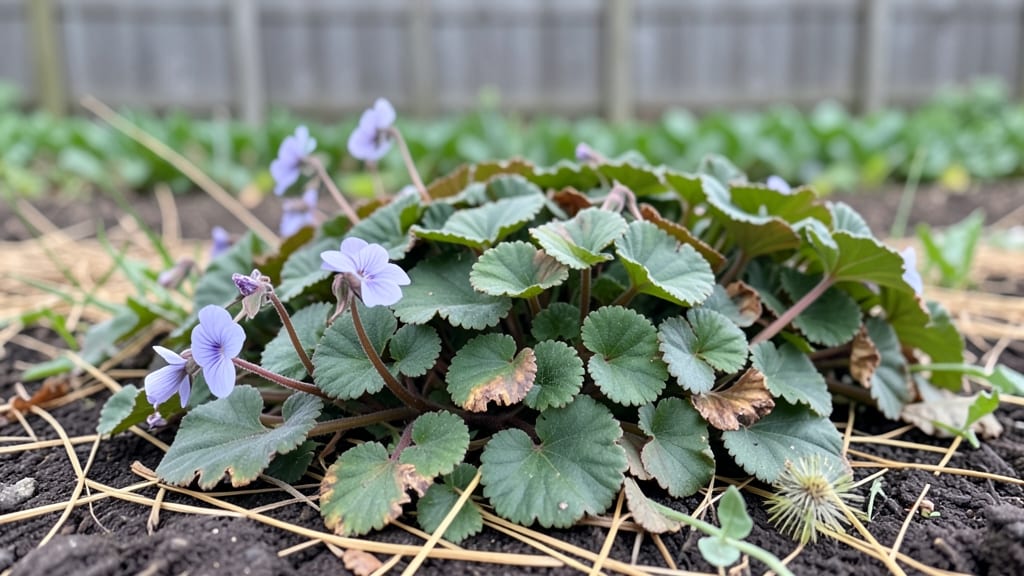
Growing perennial blue geraniums 🌸 means finally ditching the annual replanting routine—these cold-hardy beauties return every year with bold blue blooms.
Tired of replacing annual geraniums every spring? These varieties thrive in Zone 6a and beyond, blooming reliably from early summer through fall without the yearly hassle. Imagine vibrant blue flowers that multiply over time, spreading effortlessly in your garden.
What makes them different? Unlike finicky annuals, these perennials handle cooler climates, partial shade, and even drought once established. With the right care, they’ll reward you with season-after-season color—no replanting required.
In this guide, I’ll walk you through selecting the hardiest varieties, planting for long-term success, and keeping them thriving through fall and winter. Let’s get those blue blooms growing for good!
Top cold-hardy perennial blue Geranium varieties for Zone 4-7 gardens
If you love the striking blue hues of geraniums but hate replanting annuals every year, these perennial blue geraniums are your solution. They thrive in Zones 4-7, handle early frosts, and reward you with season-long blooms—often from early summer through fall.
Unlike their annual cousins, these varieties spread naturally, creating lush ground covers over time.
I’ve grown these varieties in my own Zone 5 garden, and they’ve become my go-to for low-maintenance color. The key is choosing the right cultivar for your climate and light conditions.
Some handle partial shade better, while others demand full sun. Let’s explore the top performers that will make your garden pop with blue blooms year after year.
Here’s a quick comparison of the hardiest blue geraniums for northern climates, including their cold tolerance, bloom duration, and ideal growing conditions:
<comparison-table>| Variety | Cold Hardiness (Zone) | Bloom Duration | Sunlight Needs | Height | Spread |
|---|---|---|---|---|---|
| 'Johnson’s Blue' | 4-9 | June–October | Full sun to part shade | 18–24" | 18–24" |
| 'Rozanne' (Geranium × cantabrigiense) | 3-8 | May–Frost | Part shade to full sun | 12–18" | 24–36" |
| 'Blue Mist' | 4-9 | June–September | Full sun | 12–18" | 18–24" |
| 'Ballerina' (Blue) | 4-9 | June–Frost | Full sun to part shade | 12–15" | 18–24" |
| 'Claridge Druce' | 4-8 | June–September | Full sun | 12–18" | 18–24" |
'Johnson’s Blue' is my personal favorite for full-sun gardens. It produces deep blue-purple blooms from late spring until frost, and its upright habit makes it ideal for borders or mixed containers.
In my Zone 5 garden, it comes back stronger each year with minimal care—just deadheading spent blooms to encourage more flowers.
'Rozanne' is the superstar of shade tolerance and cold hardiness. This variety thrives in partial shade and even woodland gardens, where other geraniums struggle.
Its lavender-blue flowers bloom from late spring until frost, and it spreads aggressively, making it perfect for ground cover under trees or along shady fences. I’ve seen it survive -20°F temperatures with proper mulching!
'Blue Mist' is a compact powerhouse for container gardens or rockeries. Its fuzzy blue flowers bloom from early summer into fall, and it handles dry spells better than most geraniums.
This variety is also deer-resistant, which is a huge plus if you’re battling local wildlife. Plant it in well-draining soil with full sun for the best results.
For longer bloom seasons, 'Ballerina' is a blue-toned beauty that flowers from June until frost
How to grow perennial blue geraniums in challenging climates
Perennial blue geraniums (Geranium spp.) are tougher than their annual cousins, but even they need help surviving early frosts and late freezes in cooler climates. The key? Proactive care before winter arrives.
I’ve learned that soil prep, mulching strategies, and smart pruning can push their hardiness zones by 1-2 levels—meaning Zone 5 gardens can often grow them successfully with these tweaks.
Start with well-draining soil mixed with compost to improve root resilience. These plants hate soggy roots, so amend heavy clay or sandy soil with organic matter like leaf mold or aged manure.
I’ve seen Johnson’s Blue thrive in Zone 6a gardens where annual geraniums fail—all thanks to this one soil upgrade. Pair that with 6+ hours of sunlight, and you’re already halfway to success.
Even hardy varieties like 'Rozanne' can suffer cold damage if left unprotected. Early fall frosts (below 28°F) will blacken foliage, while late spring freezes can delay blooms. Never cut back until spring—last year’s stems insulate roots!
Use 3-4 inches of mulch (straw or shredded leaves) after first frost to shield crowns.
My winter mulching ritual saves these plants every year. After the first hard frost, I spread straw mulch (not wood chips, which can mat) over the soil and crowns. This traps ground heat while allowing moisture to escape—critical in Zone 4-5 winters.
For extra insurance, I top it with burlap sacks during extended cold snaps below 15°F. Remove mulch in early spring once daytime temps hit 50°F.
Pruning is another game-changer. I never shear these perennials until late winter (after last frost). Cutting back too early removes protective foliage. Instead, I wait until new growth appears in spring, then trim dead stems to 2 inches above soil level.
This encourages fuller blooms and prevents fungal rot from lingering moisture. Pro tip: Use sterilized shears to avoid spreading disease.
Companion planting also helps. Pair blue geraniums with tall ornamental grasses (like Miscanthus) to shield them from late-season winds, which can stress plants. I’ve had great luck with Russian sage nearby—its silver foliage reflects sunlight while deterring pests.
Avoid planting near hostas or ferns, which thrive in shade and compete for moisture these sun-lovers need.
With these strategies, my perennial blue geraniums have bloomed for 10+ years in Zone 5b, outlasting annuals by a decade. The secret? Preventative care—not just reacting to problems.
Start with rich soil, mulch early, and prune late, and you’ll enjoy blue blooms every summer without the annual replanting chore.