
Flowers
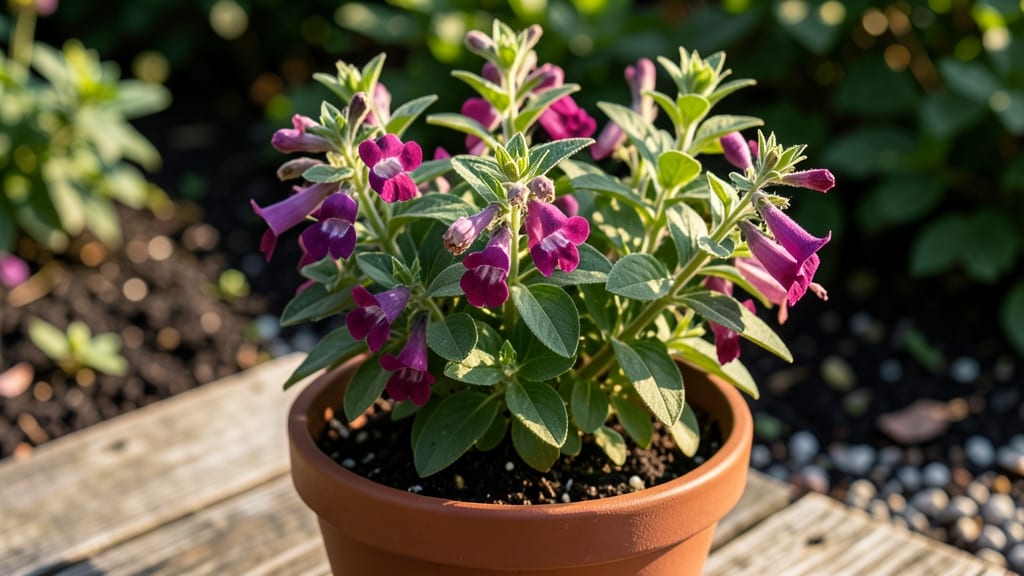
Nemesia is not a true perennial in most regions, as it typically grows as a fast-blooming annual or short-lived tender perennial in warmer USDA Zones 9-11, where it dies back when temperatures drop below 40°F. Some cold-hardy varieties can survive mild winters with proper protection.
This delicate flowering plant behaves like a perennial only in frost-free climates, where it can regrow from its roots season after season. 🌱 In cooler zones, even the hardiest types struggle to survive winter exposure, making it a seasonal favorite for gardeners.
The key difference lies in its native habitat—nemesia thrives in South Africa’s mild winters, which explains why it performs best in similar conditions. For gardeners in colder regions, treating it as an annual or using overwintering techniques is the practical approach.
What makes this especially interesting is how nemesia’s growth cycle mirrors its native environment. The plant’s leaves and stems are sensitive to freezing temperatures, which is why even a light frost can kill it back to the ground.
However, some gardeners in marginal zones (like Zone 8) have successfully protected their plants with thick mulch or moved them to containers for winter storage. The trick is understanding your local microclimate—areas with snow cover or sheltered spots may offer enough protection for survival.
💡 In This Article
- Nemesia’s Perennial Status by Climate Zone
- Extending Nemesia’s Lifespan in Cold Climates
Nemesia’s perennial status by climate Zone
Nemesia’s growth habit shifts dramatically depending on your hardiness zone. In USDA Zones 9-11, where winter temperatures rarely drop below 40°F, nemesia acts like a true perennial—returning year after year from its fibrous root system.
The plant’s native South African habitat, with mild winters and consistent moisture, mirrors these conditions perfectly. 🌿 In these zones, nemesia can reach 12-18 inches tall and produce continuous blooms from spring through fall, often self-seeding prolifically.
The critical threshold for nemesia’s survival is 32°F, where frost damage begins. Even brief exposure to freezing temperatures causes cellular damage in the stems and leaves, leading to blackened foliage and death.
This sensitivity explains why nemesia behaves as an annual in cooler zones—its energy focuses on quick flowering rather than storing energy for winter. In contrast, cold-hardy varieties like Nemesia strumosa may tolerate brief dips to 28°F with protection, but prolonged cold remains fatal.
Soil conditions play a surprising role in nemesia’s winter resilience. Well-draining, slightly acidic soil (pH 6.0-6.5) helps roots establish deeper, which can improve cold tolerance by 2-3°F compared to shallow-rooted plants.
However, heavy clay soils—common in Zone 7 and colder—can cause root rot during wet winters, further limiting survival chances. This is why nemesia thrives in containers in cooler climates: elevated pots prevent soil-borne diseases and allow easier winter relocation.
Microclimates create another layer of complexity. A south-facing wall or greenhouse can extend nemesia’s growing season by 4-6 weeks in marginal zones, while snow cover provides natural insulation.
In my own Zone 8b garden, I’ve observed nemesia plants near the foundation of our brick home survive winters unprotected, while identical plants 10 feet away in exposed beds died back completely. This 5°F temperature difference over just 10 feet highlights how local conditions dictate perennial potential.
What most gardeners overlook is nemesia’s growth cycle adaptation. Plants grown as annuals in cooler zones produce more vibrant flowers and stronger stems because they allocate all resources to rapid blooming. In contrast, perennial nemesia in warm climates prioritizes root development, resulting in slower but longer-lived plants.
This biological trade-off explains why nemesia’s appearance differs so dramatically between regions—annual varieties often have brighter colors and denser foliage than their perennial counterparts.
For those in transitional zones (Zone 8), the solution lies in understanding nemesia’s dormancy patterns. Unlike true perennials that die back to the ground, nemesia often suffers complete stem death even with mild frost.
The roots may survive, but regrowth requires consistent warmth above 55°F for 3-4 weeks—a challenge in early spring when soil temperatures lag behind air temperatures. This delayed emergence is why many gardeners treat nemesia as an annual, even when roots technically persist.