
Trees
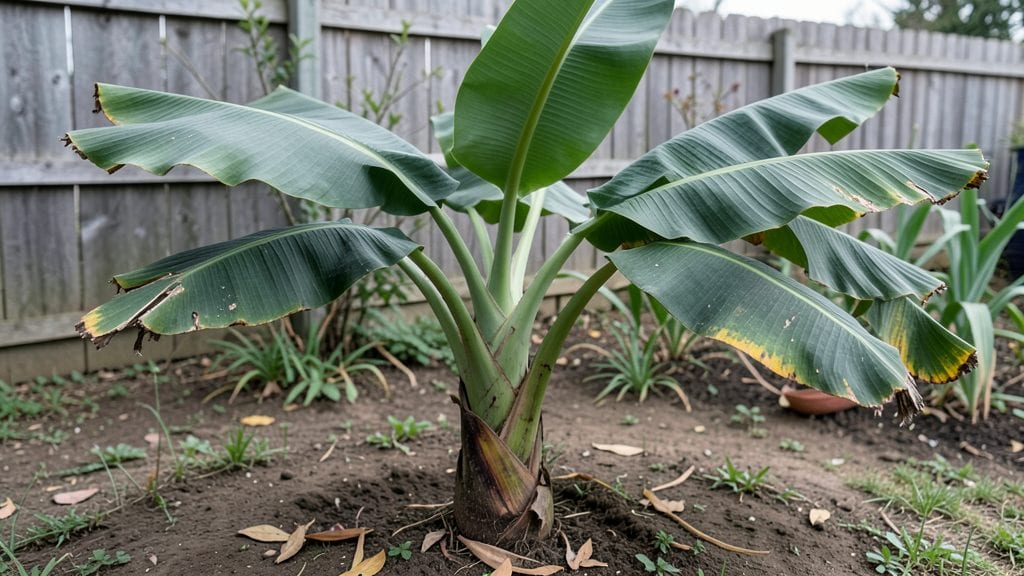
Growing a perennial banana tree 🍌 in cold climates isn’t just possible—it’s easier than you think, and the payoff is bananas year-round.
Imagine harvesting fresh bananas even in winter—no tropical climate required! These hardy plants thrive in zones 5-9, offering year-round harvests with minimal effort once established. No more waiting for summer or driving to the store.
While they love warmth, Musa basjoo and other cold-hardy varieties can handle frost-free winters with the right care. The key lies in soil prep, strategic mulching, and protecting them from sudden cold snaps—none of which requires a green thumb.
In this guide, I’ll walk you through everything from planting in cooler zones to winter survival tips, so you can enjoy homegrown bananas even in colder months.
How to grow perennial banana trees in cold climates
Growing perennial banana trees like Musa basjoo in cold climates is absolutely possible with the right techniques! Unlike tropical bananas, these hardy varieties survive winters in USDA zones 5-9 and reward you with edible fruit year after year.
The key lies in proper soil preparation, strategic planting locations, and smart winter protection—all of which I’ll walk you through step by step.
Before diving in, remember that Musa basjoo is the gold standard for cold-hardy bananas. It thrives in full sun exposure (6+ hours daily) and needs well-draining, slightly acidic soil (pH 5.5–7.0).
Unlike tropical cousins, these plants go dormant in winter but bounce back with proper care. Let’s get your banana tree growing strong in your climate!
Choose the Right Location
Select a south-facing spot with 6+ hours of sunlight. Avoid low areas where cold air pools—banana trees hate frost. If your yard has microclimates, prioritize sheltered spots near buildings or fences.
Prep the Soil
Amend your soil with compost or aged manure (2–3 inches) to improve drainage. Banana trees hate waterlogged roots, so mix in perlite or sand if your soil is clay-heavy. Aim for a loamy texture with a pH of 5.5–7.0.
Plant in Spring
Plant bare-root rhizomes or potted Musa basjoo in late spring (after last frost). Dig a hole twice as wide as the root ball and 1 inch deeper. Space multiple plants 10–15 feet apart to allow for mature growth.
Water Deeply
Water deeply 2–3 times per week (daily in extreme heat). Aim for 1–2 gallons per watering to encourage deep root growth. Avoid wetting the leaves or pseudostem to prevent fungal diseases.
Fertilize Seasonally
Feed with a balanced fertilizer (10-10-10) every 6 weeks from spring to early fall. Reduce feeding in late summer to prepare for winter dormancy. Avoid high-nitrogen fertilizers, which promote leafy growth over fruit.
Protect from Winter
In USDA zones 5–7, wrap the pseudostem in burlap or frost cloth and mound 4–6 inches of mulch around the base. For zones 5–6, consider container growing and moving pots indoors (or to a garage) during freezes.
Once your Musa basjoo is planted, it’ll grow 3–5 feet in its first year and reach mature height (15–25 ft) within 3–5 years. The best part? You’ll start seeing edible bananas as early as year 2 or 3, though they may be smaller initially.
For larger fruit, prune old pseudostems in early spring to encourage new growth.
If you’re in USDA zone 5, container growing is your best bet. Use a 20+ gallon pot with drainage holes and move it indoors (or to a sunroom) when temperatures drop below 20°F. Overwintering in containers also makes it easier to rotate plants for optimal sunlight exposure.
Don’t forget to
Cold-climate banana tree care: pruning, mulching, and winter survival tips
Perennial banana trees like Musa basjoo can survive winters in USDA zones 5-9 with the right care. The key to their survival—and your harvest—lies in three critical practices: pruning, mulching, and winter protection.
These steps ensure your tree thrives year-round, even when temperatures drop below freezing. Let’s dive into how to maximize your yield while keeping your banana tree healthy through cold snaps.
First, pruning isn’t just for shaping—it’s essential for air circulation and energy conservation. In late winter or early spring, remove any dead or damaged leaves and trim back overgrown fronds to about 1/3 of their height.
This reduces stress on the plant and encourages new, vigorous growth once warmer weather arrives. Avoid heavy pruning in fall, as the tree needs all its energy to prepare for dormancy.
⚠️ WARNING: Perennial Banana Trees Are Not True Perennials
Musa basjoo is often called a "perennial," but it’s semi-hardy—not fully frost-proof. While it can regrow from the rhizome after 20°F (-7°C) dips, prolonged freezing temperatures or wet soil will kill the top growth. Protect the crown with 3+ inches of mulch and burlap wraps to prevent root damage.
Urban Hack: Grow in large containers (20+ gallons) and move indoors near a sunny window during winter. Use wheelbarrows or grow bags for easy mobility.
Next, mulching is your best defense against winter kill. Apply a 6-inch layer of straw or shredded leaves around the base of the tree in late fall, after the first frost. This insulates the rhizome and prevents soil heaving from freeze-thaw cycles.
For extra protection, top the mulch with a thick layer of bubble wrap or cardboard to block wind and retain heat. Remove the mulch in early spring once new growth appears.
If you’re growing your banana tree in a container, winter care becomes even simpler. Move the pot to a garage or basement where temperatures stay between 40-50°F (4-10°C). Reduce watering to once every 2-3 weeks and avoid fertilizing until spring.
Place the container near a south-facing window or under grow lights to maintain minimal light exposure. This method works wonders for urban gardeners with limited outdoor space.
Finally, harvest timing plays a role in winter survival. Pick bananas when they’re mostly yellow with brown spots—never wait for them to fully ripen on the tree. Overripe fruit left hanging can attract pests and weaken the plant.
Store harvested bananas in a cool, dark place (like a basement) to slow ripening. In late winter, prune back any frozen or blackened fronds and apply a balanced fertilizer (10-10-10) to kickstart spring growth.
With these pruning, mulching, and winter protection strategies, your perennial banana tree will reward you with year-round harvests, even in the coldest climates. The secret? Proactive care and a little extra effort to shield your tree from frost. Your taste buds—and your plant—will thank you! 🍌