
Planting
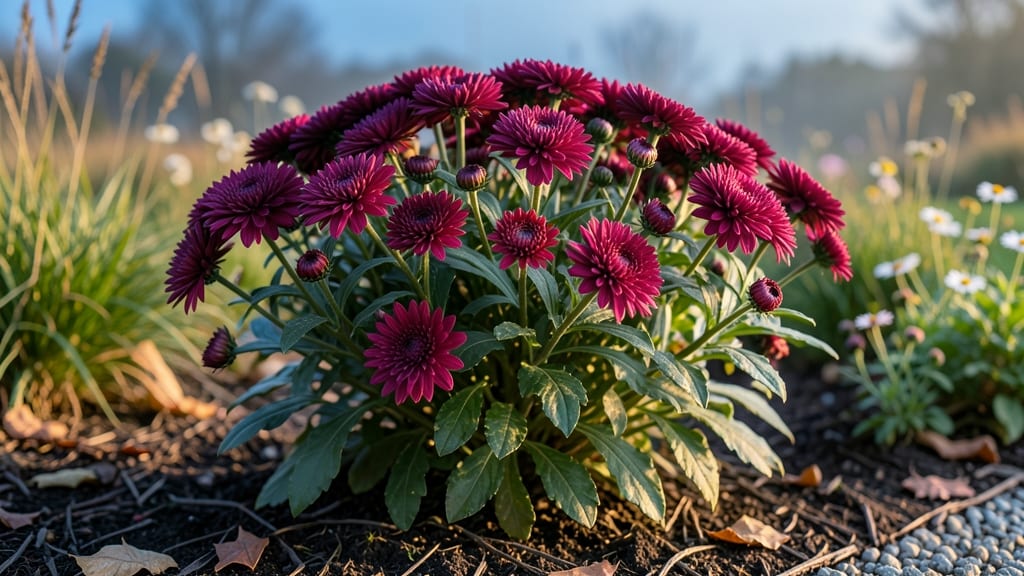
Perennial mums thrive in Zone 4 when planted in late summer after the last frost risk, using hardy varieties like 'Autumn Joy' or 'Snowball' for cold survival. Mulch heavily in fall, protect with burlap in winter, and deadhead spent blooms to encourage reblooming. Choose well-draining soil and full sun for best results.
Growing perennial mums in Zone 4 means selecting cold-hardy cultivars that can withstand sub-zero temperatures and still deliver stunning fall blooms. 🌿 The key is planting after the last frost date—typically mid-August—so roots establish before winter while still allowing enough growth time for strong stems.
I've found that varieties like 'Autumn Joy' develop a deeper root system faster, which helps them bounce back after harsh winters.
The real secret lies in proper winter prep: a thick layer of mulch (at least 4-6 inches) acts like a blanket, while burlap wrapping protects against windburn and temperature swings.
What sets Zone 4 mums apart is their ability to rebloom reliably if you deadhead spent flowers and fertilize in early summer. This isn't just about survival—it's about turning your garden into a late-season spectacle.
I recommend using a balanced 10-10-10 fertilizer after the first flush of blooms fades, which gives plants the energy to produce that second wave of color.
The sun requirement can't be overstated either: these plants need at least 6 hours of direct sunlight daily to develop the strong stems necessary for winter resilience.
💡 In This Article
- Hardy Mum Varieties for Zone 4 Winters
- Step-by-Step Zone 4 Mum Winterization Guide
Hardy mum varieties for Zone 4 winters
The cold hardiness of perennial mums in Zone 4 comes down to their genetic adaptations and growth habits. Varieties like 'Autumn Joy' (USDA Zone 5-9) and 'Snowball' (Zone 4-9) thrive because they develop a robust root system that can withstand temperatures down to -20°F when properly protected.
These cultivars produce thicker stems and more compact foliage, which helps them conserve energy during winter dormancy. 🌟 The key difference lies in their bloom timing—early varieties like 'Mammoth' start flowering in late summer, while late bloomers like 'Autumn Joy' extend the season into October, giving roots more time to strengthen before frost.
'Autumn Joy' stands out because its deep burgundy flowers contain higher levels of anthocyanins, which act as natural antifreeze compounds in plant cells. This pigmentation isn't just for show—it helps protect the plant's tissues from cold damage by stabilizing cell membranes.
Another advantage is their semi-dwarf growth habit (typically 2-3 feet tall), which makes them less susceptible to wind damage compared to taller varieties. For best results, choose plants with established root balls when transplanting in late summer—they'll have a 3-4 week head start before winter sets in.
The science behind their survival involves a process called "cold acclimation," where plants gradually adjust to lower temperatures. Hardy mums begin this process in early fall, increasing their sugar content and reducing water in their cells to prevent ice crystal formation.
This is why late summer planting works best: the roots have time to establish before this acclimation period begins. 🔥 What most gardeners don't realize is that these varieties also have deeper taproots (up to 18 inches) that can access moisture from lower soil layers, giving them a survival advantage during dry winters.
For maximum winter resilience, look for cultivars labeled "hardy" or "cold-tolerant" on nursery tags. 'Autumn Joy' and 'Snowball' are proven performers, but newer hybrids like 'Dolce' and 'Mystic' offer additional disease resistance while maintaining cold hardiness. The trade-off?
These varieties often have slightly smaller blooms (3-4 inches vs. 4-5 inches), but their reliability makes them worth considering. Always check the specific cultivar's hardiness rating—some labeled Zone 4 varieties might still need winter protection if exposed to prolonged -30°F temperatures.
Color plays a subtle but important role in winter survival too. Darker varieties like 'Autumn Joy' absorb more sunlight, which helps maintain slightly higher tissue temperatures during sunny winter days. Lighter varieties like 'Snowball' reflect more light but may require slightly more mulch protection.
The foliage color matters too—healthier green leaves indicate better photosynthesis during short winter days, which fuels root growth for the next season.
When selecting plants, avoid varieties with long, leggy stems or sparse foliage—these signs indicate weak root systems that won't survive winter. Instead, choose compact plants with multiple buds forming at the base.
These plants have already started developing next year's blooms and will rebound faster in spring. 💫 The investment in quality plants pays off in their ability to push through snow cover and produce vibrant blooms year after year.