
Plants
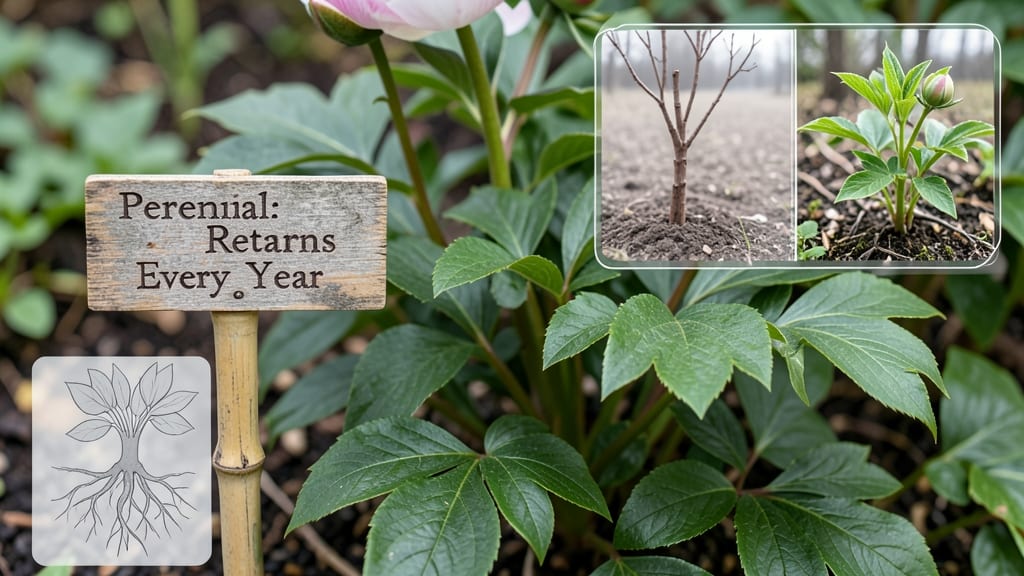
Yes, perennials come back each year because they store energy and nutrients in underground structures like rhizomes, tubers, or bulbs, allowing them to regrow from the same root system after dormancy.
This survival strategy sets perennials apart from annuals, which complete their entire lifecycle in one season. 🌱 The stored energy in their roots acts like a natural battery, fueling fresh shoots when conditions improve in spring.
For example, peonies use thick, fleshy roots to survive harsh winters, while daylilies rely on rhizomes that spread horizontally underground. Understanding these mechanisms helps gardeners choose plants that thrive with minimal intervention—just water and good soil.
What's fascinating is how these structures adapt to seasonal changes. During dormancy, perennials redirect their energy to root systems rather than above-ground growth, creating a built-in survival mechanism. This biological advantage means you'll see familiar blooms year after year with proper care, making perennials the backbone of low-maintenance gardens.
💡 In This Article
- How Perennial Roots and Underground Structures Work
- Tips for Encouraging Strong Perennial Regrowth
How perennial roots and underground structures work
The secret behind perennials' resilience lies in their specialized underground storage organs, which act like nature's energy reserves. These structures—rhizomes, tubers, bulbs, and crowns—store carbohydrates, proteins, and water that fuel regrowth when conditions improve.
For instance, a peony's thick, fleshy roots can store enough energy to produce a 3-foot-tall plant from just a few inches of rootstock after winter dormancy. This contrasts sharply with annuals, which rely entirely on seeds for the next generation and have no persistent storage system.
Each storage type plays a unique role. Rhizomes, like those of daylilies, grow horizontally and produce new shoots at nodes along their length, creating dense clumps. Tubers, such as those in potatoes, store energy in thickened underground stems, while bulbs (like tulips) concentrate nutrients in layered, onion-like structures.
The crown, where stems meet roots, acts as a transition zone that protects the plant's vital tissues during freezing temperatures. These adaptations allow perennials to survive -20°F winters in some cases, while annuals would perish entirely.
The energy storage process begins in late summer when perennials photosynthesize excess sugars, converting them into starches that get transported to roots. This is why proper fall care—like leaving foliage until it yellows—lets plants complete their energy storage cycle.
During dormancy, metabolic activity slows to 5-10% of normal rates, conserving reserves until spring's warmth triggers hormonal signals to break dormancy. This biological clock ensures timing aligns with seasonal changes, a precision most gardeners never see but experience when their perennials reliably return each year.
What makes this system so effective is its redundancy. Even if above-ground growth dies back completely, the underground structures remain protected by insulating soil layers. For example, a 3-inch layer of mulch can raise soil temperatures by 5-10°F, creating a microclimate that prevents freeze-thaw cycles from damaging roots.
This explains why perennials often outlast annuals in harsh climates—while annuals must start fresh from seed each year, perennials simply "wake up" from their winter nap with all their survival tools intact.
Consider the contrast between a dahlias tuber, which can weigh 2-3 pounds after a growing season, and an annual like marigold that produces only lightweight seeds. The tuber's dense structure stores enough energy to produce multiple stems and flowers the following year, while marigolds must germinate from scratch.
This built-in advantage means perennials typically require 30-50% less maintenance once established, as they don't need annual replanting or reseeding.
The science behind this involves complex hormonal regulation. Gibberellins, a class of plant hormones, play a crucial role in breaking dormancy by stimulating cell division in root tissues. Meanwhile, abscisic acid helps maintain dormancy during cold periods.
This hormonal balance ensures perennials don't waste energy growing prematurely in fall or failing to regrow in spring. The result is a finely tuned survival mechanism that's been perfected over millennia of evolution. 🌱