
Trees
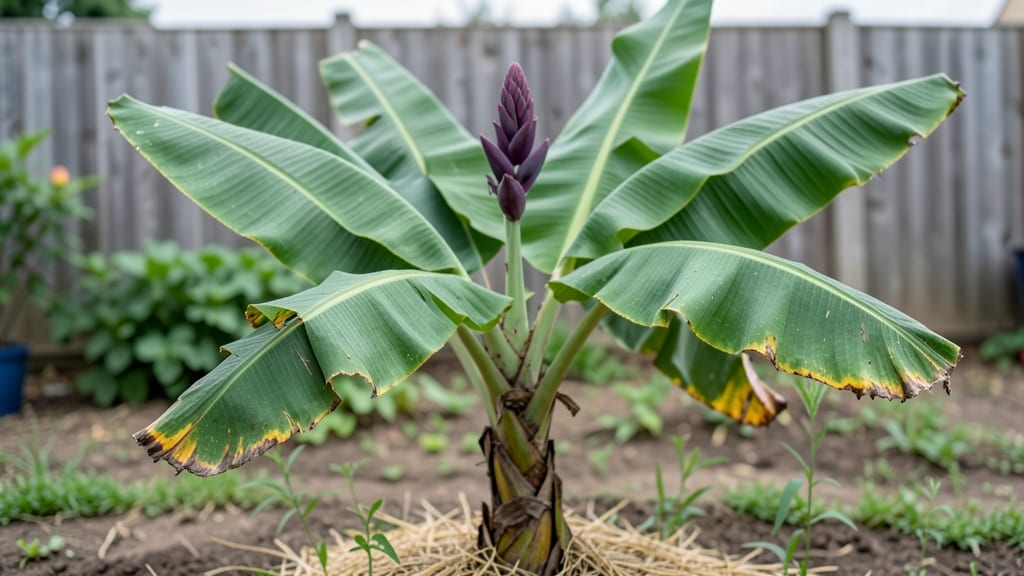
Growing a perennial banana plant 🍌 in colder zones like USDA Zone 6a is possible—and it’s easier than you think.
Imagine growing bananas in colder climates without replanting every year—these hardy varieties defy traditional growing zones, thriving even in winter freezes with the right care. No more tropical escapes or short-lived plants; just reliable harvests season after season.
Whether you’re dreaming of homegrown bananas or just love the dramatic 10-foot tropical look, these plants deliver. They’re also low-maintenance once established, making them a game-changer for gardeners in cooler regions.
In this guide, you’ll learn the best planting window (April–May), how to protect them from frost, and the 3 key signs your plant is ready for harvest (September–October). Let’s get started!
Top 5 cold-hardy perennial banana varieties for winter survival
Growing bananas in zones with winter freezes used to be impossible—but not anymore. Perennial banana plants like Musa basjoo and its hybrids survive temperatures below 20°F (-6°C) with proper care. These varieties grow back each spring, producing edible fruit and stunning foliage without annual replanting.
Whether you're in USDA Zone 5 or colder, these cold-hardy bananas are game-changers for year-round tropical vibes.
Not all banana plants are created equal. While tropical bananas (Musa acuminata) die in frost, these hardy perennials regrow from their rhizomes after winter dormancy. Their large, dramatic leaves and occasional small, seedless fruit make them prized ornamental plants too.
Let’s dive into the top 5 cold-hardy varieties that thrive where others fail.
Here’s how these perennial banana varieties compare in hardiness, growth, and yield—helping you pick the perfect one for your climate and goals.
Musa basjoo is the hardiest perennial banana, surviving down to 0°F (-18°C) with proper winter care. Its bold, blue-green leaves reach 10–12 feet tall, making it a stunning focal point in gardens. While it produces small, inedible fruit in cold climates, its ornamental value is unmatched. This variety thrives in USDA Zones 5–9, making it ideal for northern gardeners.
If you want edible fruit, Musa 'Ice Cream' is your best bet. It tolerates 10°F (-12°C) and occasionally produces small, sweet bananas—though yields are unreliable in cold zones.
Its 8–10-foot stature and dramatic foliage make it a dual-purpose plant for both ornament and harvest. Plant it in well-draining soil with full sun for best results.
For small-space gardens, Musa 'Dwarf Brazilian' and Foster's Dwarf are excellent choices. Both stay under 6–8 feet tall and survive 15°F (-9°C), but their fruit production is minimal.
These varieties excel in containers, allowing you to move them indoors during extreme cold snaps. Their compact size makes them perfect for patios, balconies, or small yards.
Don’t overlook Musa 'Red Dwarf' for its vibrant red stems and compact growth. This variety handles 10°F (-12°C) and adds year-round color to gardens.
How to protect perennial bananas from freezing temperatures
Perennial banana plants like Musa basjoo and Ensete ventricosum can survive winter freezes with proper protection. Cold-hardy varieties tolerate temperatures down to 20°F (-6°C), but extreme cold or prolonged frost can damage leaves and roots.
The key is creating a protective microclimate that insulates the plant while allowing airflow to prevent rot.
Start winterizing your perennial banana in late fall (before the first frost) to give the plant time to acclimate. Focus on three core strategies: mulching, covering, and container adjustments if growing in pots. These methods work together to maintain root temperature and shield foliage from freezing winds.
Step-by-Step Winterization for Perennial Bananas
- Step 1: Apply a 6-inch layer of mulch around the base of the plant using straw, leaves, or shredded bark. This insulates roots and prevents soil temperature fluctuations.
- Step 2: Wrap the trunk with burlap or bubble wrap to protect the pseudostem from cracking. Secure with twine or tape, leaving the top open for airflow.
- Step 3: Install frost cloth over the entire plant, securing edges with bricks or stakes. Use two layers for temperatures below 15°F (-9°C).
- Step 4: Move container plants to a garage or sheltered porch if temperatures drop below 20°F (-6°C). Place pots on insulated boards to prevent freezing.
- Step 5: Prune damaged leaves in early spring (March) to redirect energy to new growth. Cut back only brown or brittle foliage, leaving healthy leaves intact.
For in-ground perennial bananas, create a microclimate by planting near south-facing walls or evergreen trees. These structures absorb sunlight during the day and radiate warmth at night, raising ambient temperatures by 5-10°F. Grouping plants together also reduces wind exposure, which is critical for young or small varieties.
Container-grown banana plants require extra care because pots freeze more quickly than in-ground soil. Use insulated planters or wrap containers with foam insulation before moving them indoors. If storing indoors, place pots in a cool, dark corner (50-60°F) and reduce watering to every 3-4 weeks to prevent root rot.
Monitor your plants throughout winter for signs of freeze damage, such as blackened leaves or cracked pseudostems. If damage occurs, remove affected parts immediately to prevent disease. Most perennial bananas will regrow from the base in spring, even after severe cold exposure.
With these techniques, your perennial banana plants can survive winter freezes and reward you with tropical fruit and ornamental foliage year after year. Start preparing in late October to give your plants the best chance of thriving through the coldest months. 🌱