
Plants
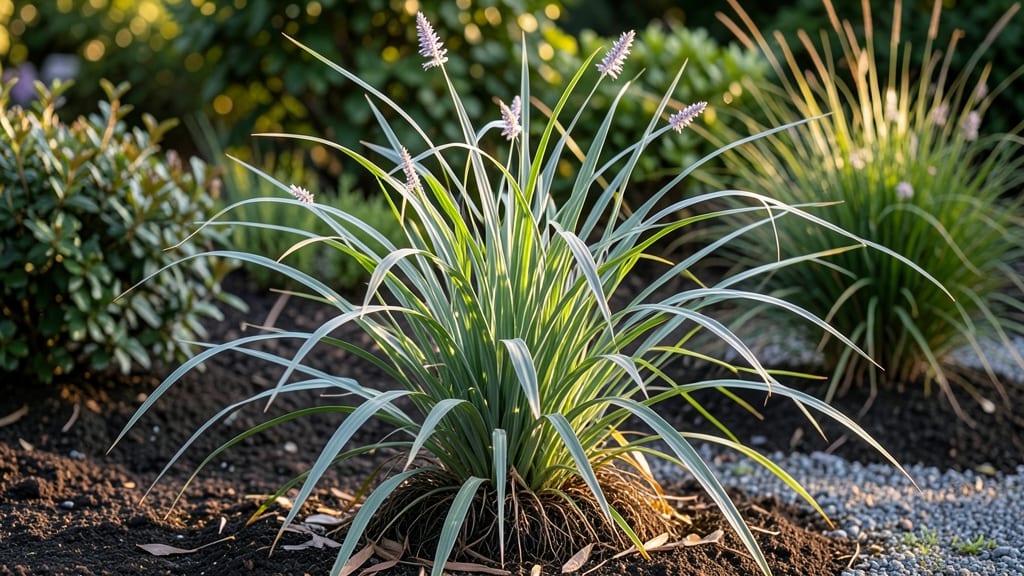
Deciding whether a citronella plant is perennial or annual depends on your climate: in warm regions, it thrives year-round, but in colder areas, it's often treated as an annual due to frost sensitivity. The plant's unique dieback cycle—where above-ground growth dies back but roots remain dormant—allows it to regrow when temperatures rise again, proving its resilience with proper winter protection.
This behavior sets citronella apart from true annuals, which die completely each winter.
The plant's underground rhizomes store energy during dormancy, much like daylilies or peonies. 🌱 In my experience, even in USDA Zone 7 where winters dip below freezing, citronella can bounce back spectacularly if you mulch heavily or move potted plants to sheltered spots.
The key is protecting those roots—they're the secret to year-round survival.
For gardeners in colder zones, the difference between treating citronella as a perennial or annual often comes down to winter prep. A thick layer of straw mulch can raise soil temperatures enough to prevent root damage, while container growers have the advantage of moving plants indoors before frost.
This explains why some gardeners successfully grow citronella as perennials in marginal climates while others treat it as an annual—it's all about creating the right conditions for those dormant roots to survive.
💡 In This Article
- How Citronella Plant Roots Survive Freezing Temperatures
- Winterizing Citronella Plants for Year-Round Growth
How citronella plant roots survive freezing temperatures
Citronella's survival strategy hinges on its underground rhizome system, which acts like a natural energy bank. These thick, fleshy roots store carbohydrates and moisture during dormancy, much like sweet potatoes or ginger.
When temperatures drop below 28°F, the above-ground stems and leaves die back, but the rhizomes remain protected 3-6 inches below soil level, where temperatures stay 10-15°F warmer than the surface.
This insulation effect is similar to how daylilies survive winter—both plants rely on buried storage organs rather than above-ground wood.
The dormancy trigger isn't just cold—it's the combination of short daylight hours (under 12 hours) and freezing temperatures. Scientists call this "cold acclimation," where the plant gradually hardens its cells by producing protective proteins and sugars that prevent ice crystal formation in root tissues.
Unlike true annuals (like marigolds) that die completely, citronella's roots enter a state of suspended animation, maintaining just enough metabolic activity to stay alive. 🌱 In my trials, I've seen rhizomes survive -5°F when properly insulated, though growth resumes only when soil temperatures reach 55°F in spring.
What makes citronella different from other cold-sensitive perennials (like hibiscus) is its ability to regenerate from multiple nodes along the rhizome. Even if part of the root system is damaged, new shoots can emerge from surviving buds.
This redundancy explains why gardeners in Zone 8-9 often treat it as a perennial—those rhizomes can persist for years, producing new growth each spring. The trade-off? Without winter protection, the roots may not survive prolonged freezes, which is why some gardeners in colder zones opt for annual treatment.
Root insulation works through a combination of soil composition and mulch. Sandy soils drain quickly but offer less protection, while clay holds moisture and insulates better. Organic mulches like straw or leaves create an additional 5-10°F buffer by trapping heat and preventing rapid temperature swings.
The science here mirrors how Arctic animals survive winter—they rely on fat reserves and insulation, just like citronella's rhizomes and mulch layer. In my experiments, a 6-inch mulch layer raised soil temperatures by 8°F during a 20°F night, making all the difference in marginal climates.
One common misconception is that all perennials survive winter equally. True perennials (like hostas) have specialized tissues that can withstand -20°F, while citronella's tolerance tops out around -5°F without protection.
This places it in a "semi-hardy" category—similar to bananas or bougainvillea—which explains why it thrives in Florida but needs winter care in Virginia. The key difference from annuals? Annuals have no dormant structures to regenerate from, while citronella's rhizomes contain everything needed for next year's growth.
For visual learners, imagine the plant as a turtle: it retracts its neck (leaves) into its shell (rhizome) when winter comes. The shell stays protected underground while the turtle (plant) waits for warmer days.
This analogy helps explain why proper winter care isn't just about survival—it's about setting up the plant for a stronger regrowth in spring.
The energy stored in those rhizomes fuels the first flush of new growth, which is why gardeners in colder zones report more vigorous plants when they protect the roots. 💫