
Size
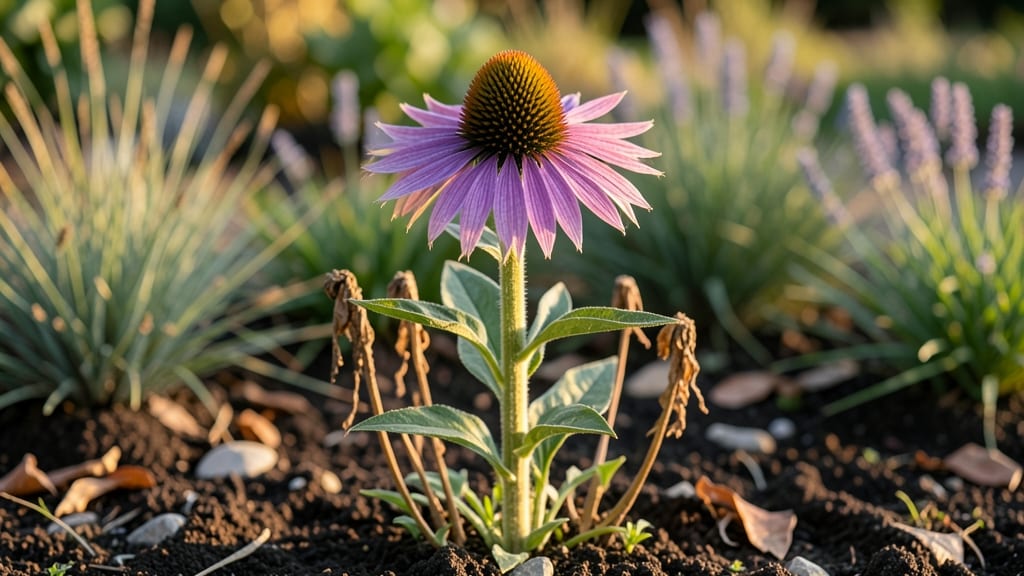
Perennial plants do grow back each year because their roots or underground stems survive winter dormancy, then regenerate leaves and stems when temperatures rise. Cold hardiness and soil conditions determine how vigorously they return.
Perennials rely on their hidden root systems or underground stems to pull through winter's dormancy phase, storing energy like a natural battery. 🌱 When spring arrives, these stored nutrients fuel new growth—think of it as nature's built-in restart button.
The key factors here are temperature triggers (typically 50°F or warmer) and soil moisture, which can either wake up or stress your plants. I've seen firsthand how well-drained soil prevents rot while retaining enough moisture to kickstart regrowth.
What often surprises gardeners is how some perennials like hostas or peony roots can survive multiple winters, while others like tender perennials need winter protection. The difference lies in their cold hardiness zones—something worth checking before planting.
Even in harsh climates, proper soil prep (like adding organic matter) can make all the difference in how robustly they bounce back each season.
💡 In This Article
- How Perennial Plants Survive Winter Dormancy
- Signs Your Perennials Will Return After Winter
How perennial plants survive winter dormancy
Perennial plants rely on specialized underground structures like roots, rhizomes, or crowns to store energy during winter. These structures contain starches and sugars that act as natural batteries, fueling regrowth when conditions improve.
For example, daylilies store energy in their thick rhizomes, while coneflowers use their deep taproots to access moisture and nutrients even in frozen soil. The key process is called dormancy, where metabolic activity slows dramatically to conserve energy, often triggered by consistent temperatures below 40°F and shorter daylight hours.
The science behind this survival mechanism involves hormonal changes. As temperatures drop, plants produce higher levels of abscisic acid, a hormone that signals dormancy, while reducing growth-promoting hormones like auxin. This hormonal shift causes leaves to die back and growth to halt, protecting the plant's core structures.
What's fascinating is how some perennials, like asparagus, can remain dormant for years in harsh conditions before regrowing when conditions become favorable again. The timing of regrowth is typically triggered by a combination of soil temperature reaching 50-55°F and increasing daylight hours in spring.
Moisture levels play a critical role in this process. Too little moisture can dehydrate the root systems, while excessive moisture can lead to rot, especially in poorly drained soils. For instance, hostas thrive in consistently moist but well-drained soil, which prevents their crowns from rotting during winter.
In contrast, lavender, which is drought-tolerant, stores water in its woody stems and can survive prolonged dry spells. This is why amending your soil with organic matter before winter can improve moisture retention and aeration, creating an ideal environment for these underground structures to survive.
Another critical factor is the plant's cold hardiness zone, which determines its ability to withstand freezing temperatures.
For example, peonies are hardy in zones 3-8, meaning they can survive winters with temperatures as low as -30°F, while tender perennials like canna lilies need protection or must be dug up in colder climates.
The hardiness zone is based on the average annual minimum temperature, but microclimates—such as a south-facing wall or a sheltered spot—can also influence survival. Understanding these zones helps gardeners choose perennials that will reliably return year after year.
When spring arrives, the warming soil triggers the production of gibberellins, hormones that promote cell elongation and shoot growth. This is why you often see the first signs of regrowth in well-drained, slightly warmer microclimates.
For instance, bleeding hearts often emerge earlier in spots where the soil warms up faster, such as near a brick wall. The speed of regrowth can also depend on how well the plant was established the previous year—stronger root systems mean more stored energy and faster recovery.
This is why dividing perennials every few years can rejuvenate their growth and ensure they come back even more vigorously.
One common misconception is that perennials "die" in winter. In reality, they enter a state of suspended animation, much like a bear in hibernation. The above-ground parts may look dead, but the underground structures remain alive and active, albeit at a much slower pace.
For example, heuchera leaves may turn brown and crispy, but the crown and roots stay alive, ready to burst into new growth when conditions improve. This biological adaptation is what makes perennials such reliable and low-maintenance additions to any garden. 🌿