
Flowers
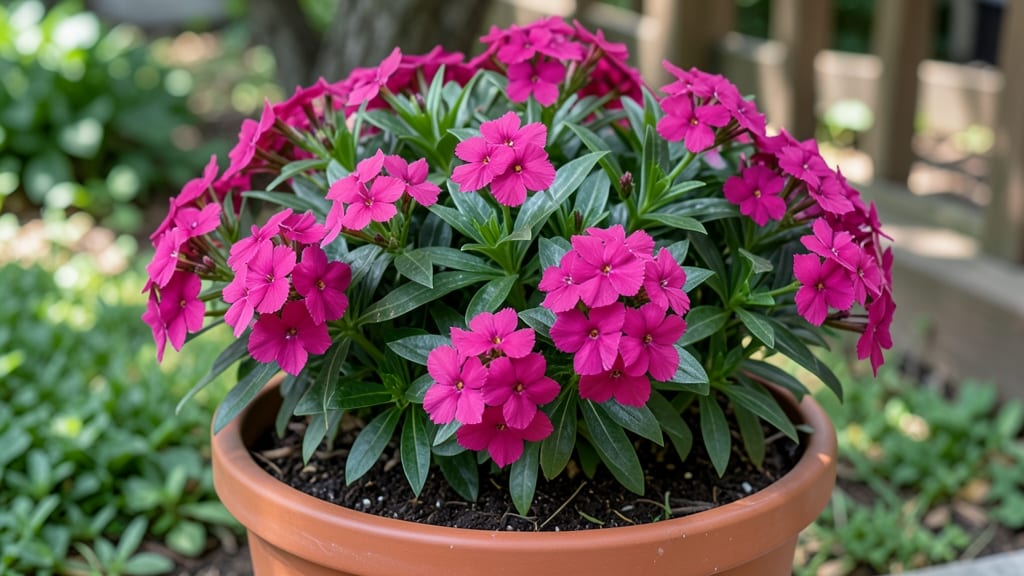
Whether pentas flowers are annuals or perennials depends on your climate: they behave as perennials in warm zones (USDA 10-11) but die back in frost, requiring replanting as annuals in cooler areas. With proper winter care, they can regrow reliably each spring.
Pentas flowers are subtropical plants that naturally thrive in warm climates where they can return year after year. 🌡️ In colder regions, their tender nature means they won't survive winter frosts, which is why gardeners often treat them as annuals.
The key to extending their lifespan lies in understanding your hardiness zone—if you're in USDA zone 9 or below, overwintering indoors or propagating new plants from cuttings becomes essential.
What makes pentas unique is their ability to regenerate quickly from seeds or stem cuttings once temperatures warm up. This adaptability has made them a favorite for container gardening, where they can be brought inside during winter months.
Varieties like Pentas lanceolata show slightly better cold tolerance, making them ideal choices for gardeners in marginal climates.
💡 In This Article
- Understanding Pentas Flower Lifespan and Climate Needs
- How to Extend Pentas Flower Growth Year-Round
Understanding pentas flower lifespan and climate needs
Pentas flowers belong to the Rubiaceae family and are classified as subtropical perennials, meaning they naturally return each year in warm climates.
Their botanical nature is tied to temperatures above 30°F (-1°C), which is why they thrive as perennials in USDA zones 10-11 where winter lows rarely drop below this threshold.
In these ideal conditions, pentas plants develop deep root systems that allow them to store nutrients and regenerate quickly each spring.
The critical temperature threshold for pentas is 28°F (-2°C), where frost damage begins to occur. This sensitivity explains why gardeners in zones 9 and below typically grow them as annuals—the plants simply cannot survive prolonged exposure to freezing temperatures.
The leaves will blacken and wilt within hours of frost, but the roots may still remain viable if protected, which is why many gardeners cut back the foliage and cover the base with mulch or insulation.
Here's what happens biologically when pentas encounter cold: their cell membranes begin to rupture due to ice crystal formation, a process called freeze-thaw injury. This disrupts water uptake and nutrient transport, causing the plant to enter dormancy or die back completely.
In warmer zones, pentas can continue photosynthesizing year-round, producing those vibrant star-shaped flowers that bloom continuously from spring through fall.
What's fascinating about pentas is their ability to compensate for short-lived winters through rapid regrowth. When temperatures rise above 60°F (15°C) in spring, pentas can sprout new growth from either seeds or root systems within just 2-4 weeks.
This makes them incredibly resilient in climates with mild winters, where they might experience light frost but still recover fully. The key difference between annual and perennial growth comes down to whether the plant's root system survives winter intact.
For gardeners in marginal zones (like zone 9), selecting varieties with slightly better cold tolerance—such as Pentas lanceolata—can make the difference between annual and perennial behavior. These varieties often have thicker stems and deeper roots that provide some protection against brief cold snaps.
Additionally, their natural growth habit as a bushy subshrub helps them recover more quickly after frost damage compared to other tender perennials.
Consider this comparison: In Florida (zone 10), pentas might grow 3-4 feet tall and bloom continuously, while in California (zone 9), they'll likely be pruned back to 1-2 feet each winter but still return reliably.
The same plant behaves differently based solely on climate conditions, demonstrating how environmental factors dictate whether a plant functions as an annual or perennial in your garden.
The science behind this adaptability lies in pentas' ability to enter a state of physiological dormancy during cold periods, similar to how some bulbs survive winter.
This dormancy isn't true botanical dormancy (like seed dormancy), but rather a slowed metabolic state that allows the plant to conserve energy until warmer conditions return. 🌱