
Orchid Care
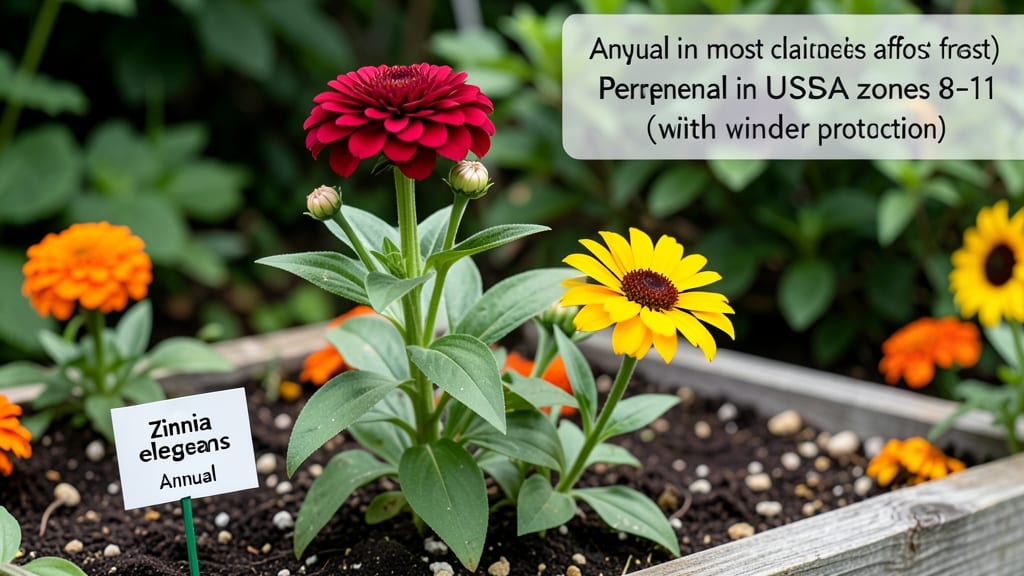
Are zinnias annuals or perennials? They're annuals in most climates, dying back after one growing season, though some varieties may regrow from roots in frost-free zones like USDA Hardiness Zones 9-11. Their self-seeding habits can create the illusion of perennial behavior.
Zinnias act like perennials because they often reseed themselves, giving the appearance of returning each year. 🌱 In reality, their true nature is annual—they complete their life cycle in one season.
However, in warmer climates (like Zones 9-11), some varieties survive winter by regrowing from their roots, which can fool gardeners into thinking they're perennial. This self-sowing behavior also contributes to their persistence, as fallen seeds sprout fresh plants the following year.
If you're growing zinnias in colder regions, you can still enjoy them year-round by saving seeds or choosing varieties known for better cold tolerance. The key is understanding their true growth cycle—annuals that trick you into thinking they're perennials!
💡 In This Article
- Why Zinnias Act Like Perennials in Mild Climates
- How to Extend Zinnia Blooms Year-Round
Why zinnias act like perennials in mild climates
The confusion around zinnias stems from their cold sensitivity and root survival mechanisms. These flowers are true annuals, meaning they complete their life cycle—germination, growth, flowering, and seed production—in just one growing season.
However, in frost-free zones like USDA Hardiness Zones 9-11, their root systems can persist through winter, allowing them to regrow when conditions warm up again. This creates the illusion of perennial behavior, especially when combined with their prolific self-seeding habits.
Here's what's happening botanically: Zinnia roots contain stored carbohydrates that fuel regrowth after winter dormancy. In colder regions, these roots typically die back completely when temperatures drop below 25°F, but in warmer climates, they remain viable.
The plants then emerge from the same root base in spring, looking like they've returned from the previous year. 🌱 This root survival mechanism is similar to how some biennials behave, though zinnias themselves are annuals.
The self-seeding behavior further complicates their classification. A single zinnia plant can produce 1,000-2,000 seeds that scatter across the garden. When these seeds germinate the following year, they create dense stands of new plants, giving gardeners the impression that the original plants have returned.
This natural reseeding strategy is actually an evolutionary adaptation to ensure survival in unpredictable environments, not a true perennial characteristic.
What most gardeners don't realize is that these "returning" zinnias are actually new plants from seeds sown the previous year. The original parent plants have long since completed their life cycle.
This distinction matters when selecting varieties—some modern hybrids have been bred specifically for improved cold tolerance and root hardiness, making them more likely to persist through mild winters in marginal zones.
Consider this comparison: In Zone 5 (where winters regularly drop to -15°F), zinnias will die completely each year, requiring new seeds each spring. But in Zone 10 (with mild winters around 40-50°F), the same zinnia might regrow from roots and even produce flowers in the same season.
This climate-dependent behavior explains why zinnias appear perennial in warm regions but act like true annuals in colder areas.
The key takeaway is that zinnias are annuals by botanical definition, but their ability to survive winter through root systems and prolific seeding creates a perennial-like appearance.
This dual nature makes them incredibly adaptable—ideal for both cold and warm climates—while requiring gardeners to manage expectations about their true growth cycle. 💫