
Plants
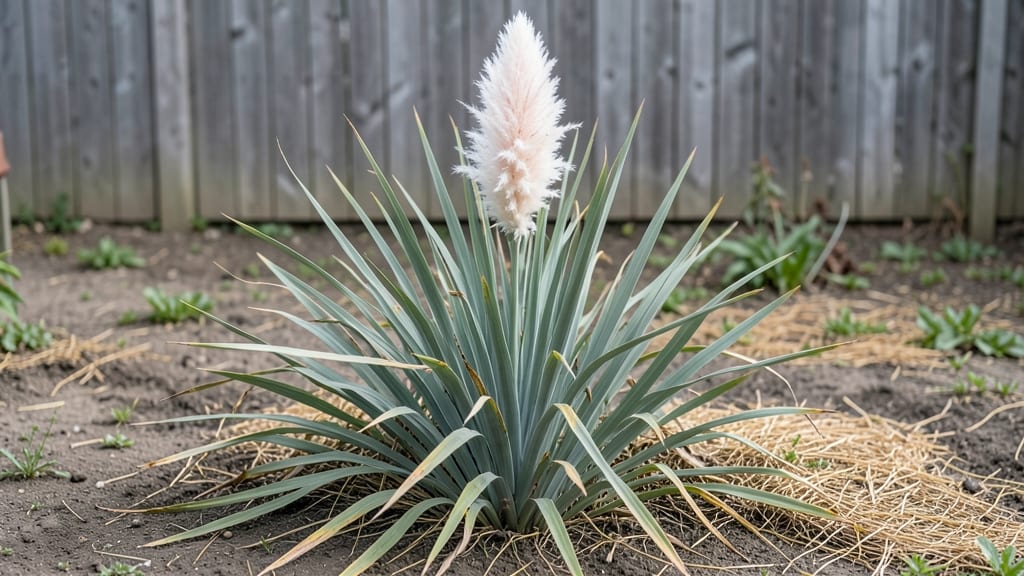
Pampas grass perennial thrives in USDA zones 7 through 11, needing only occasional mulching in colder areas to survive winter. Its striking plumes add landscape drama but require pruning to control growth and maintain shape.
This ornamental grass stands out because its deep root system and thick stems naturally resist frost damage, even in chilly winters. 🔥 In drier climates, its drought tolerance makes it a low-maintenance choice, though colder zones benefit from a thick layer of mulch around the base to protect roots.
The feathery plumes aren't just decorative—they help regulate temperature by providing shade to the soil below, creating a microclimate that supports year-round growth.
While pampas grass is famously resilient, its rapid spread can become invasive if left unchecked. Pruning in late winter or early spring before new growth appears helps maintain its shape and prevents it from overtaking garden beds.
I've found that cutting back about one-third of the plant's height encourages denser, fuller regrowth while keeping it under control.
💡 In This Article
- Pampas Grass Cold Tolerance and Winter Survival Tips
- Pruning and Maintenance for Healthy Pampas Grass Growth
Pampas grass cold tolerance and winter survival tips
Pampas grass owes its cold hardiness to its unique biological structure. The plant develops a robust deep root system that can extend 3-5 feet below ground, allowing it to access moisture and nutrients even during drought.
These roots store energy reserves that help the plant regenerate after frost damage. The thick, woody stems contain vascular bundles that act like insulated pipes, preventing water from freezing and rupturing the plant's internal structure.
The plant's natural adaptation to arid climates also contributes to its winter resilience. Pampas grass originates from South America's pampas region, where temperatures can drop below 20°F but are often accompanied by dry conditions.
This drought tolerance means the plant doesn't suffer from winter moisture stress that affects many other perennials. In fact, the feathery plumes provide a natural insulation by creating a protective layer around the growing point, similar to how animal fur conserves body heat.
For gardeners in USDA zones 7-9, winter care typically involves mulching with 3-4 inches of organic material like straw or shredded leaves. This creates a thermal blanket that moderates soil temperature fluctuations.
In zone 7, where winter lows can reach 0-10°F, this mulch layer can make the difference between survival and dieback. The mulch also prevents soil heaving—a common problem where frozen soil expands and contracts, damaging root systems.
In colder zone 6 or lower, consider wrapping the plant's crown with burlap for added protection.
What most people don't realize is that pampas grass actually benefits from a dormant period in winter. The plant conserves energy by slowing metabolic processes, much like how animals hibernate. This natural cycle means it enters winter with stored nutrients, allowing it to bounce back vigorously in spring.
The key is to avoid over-fertilizing in late summer or fall, which can stimulate new growth that's vulnerable to frost damage.
In drier climates (zones 9-11), winter care is minimal because the plant's natural adaptations handle seasonal changes. However, even here, removing dead foliage in early spring prevents disease buildup.
The plant's ability to tolerate both drought and cold makes it uniquely versatile, though its aggressive spreading habit means gardeners must balance its hardiness with containment strategies like root barriers in windy areas.
Here's what actually happens when you mulch properly: The organic layer breaks down slowly, releasing heat as it decomposes—a process called thermogenesis. This keeps root zone temperatures 5-10°F warmer than ambient air, which is crucial during sudden cold snaps.
For maximum effectiveness, apply mulch after the first hard frost but before ground freezing occurs, typically in late November to early December in most regions.