
Flowers
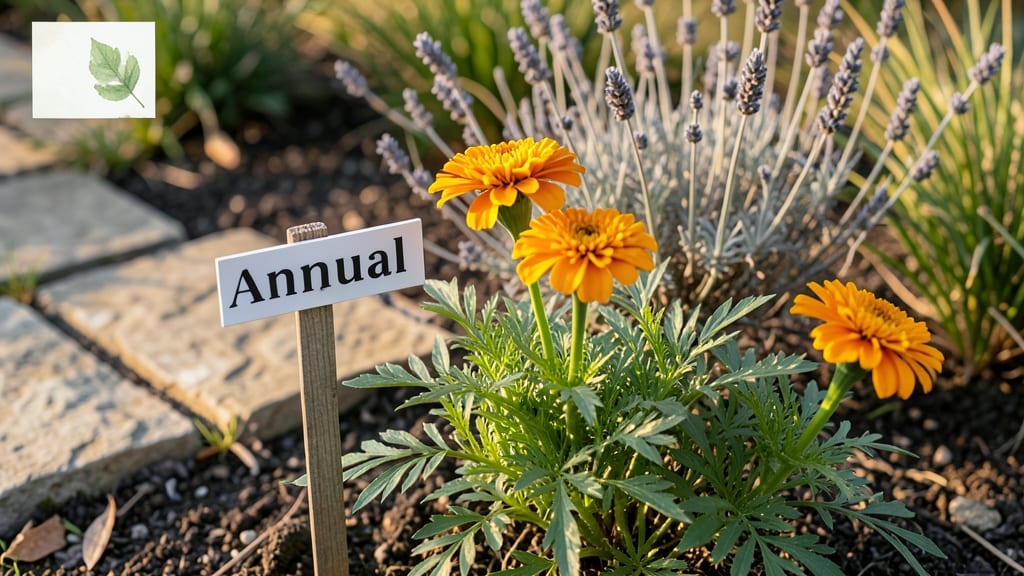
The opposite of a perennial plant is an annual or biennial, as these complete their life cycle in one or two years respectively, rather than returning yearly like perennials do. Annuals sprout, grow, flower, and die within a single season, while biennials take two years to reach maturity and reproduce before dying.
Understanding these differences helps gardeners plan seasonal rotations and maximize visual impact. Annuals like marigolds or petunias provide quick bursts of color but must be replanted yearly, while biennials such as foxgloves store energy in their roots during the first year to bloom spectacularly the next.
This life cycle contrast explains why perennials dominate long-term landscapes, while annuals and biennials shine in temporary displays or container gardens. 🌱
For example, if you want vibrant summer color that disappears by fall, annuals are perfect. But if you're willing to wait, biennials like hollyhocks can reward you with dramatic blooms in their second year before fading away.
The key is matching your gardening goals to these natural timelines—whether you prioritize speed, longevity, or seasonal variety.
💡 In This Article
- How Annual and Biennial Plants Differ from Perennials
- Best Annual and Biennial Plants for Gardens and Landscapes
How annual and biennial plants differ from perennials
The fundamental difference between annuals, biennials, and perennials lies in their root systems and energy storage strategies. Annuals like zinnia or basil develop shallow, fibrous roots that focus all energy on rapid growth and reproduction within 60-120 days.
Their entire life cycle—from seed germination to seed production—completes in one growing season, leaving no energy reserves for survival. This is why they die after flowering, as their resources are exhausted. 🌱
Biennials, such as carrots or onions, take a two-year approach: their first year is dedicated to building a robust root system or leaf base, storing energy in specialized tissues. During this phase, they may produce minimal flowers or none at all.
In their second year, they redirect stored nutrients to flower stalks and seed production before dying. This delayed reproduction strategy contrasts sharply with perennials, which allocate energy to both growth and survival structures like woody stems or deep taproots.
The key biological mechanism is apical dominance—the hormonal control that determines whether a plant prioritizes vertical growth (stems) or horizontal expansion (roots). Annuals suppress root development to maximize above-ground growth, while perennials maintain a balance, allowing them to regenerate year after year.
For example, a daylily perennial can live for decades because its rhizomes store carbohydrates, whereas a marigold annual has no such storage capacity. ✨
Climate plays a crucial role in these differences. Annuals thrive in regions with short growing seasons or unpredictable weather, as their rapid life cycle minimizes exposure to risks. Biennials often emerge in temperate zones where winters force a pause in growth, creating the two-year cycle.
Perennials dominate in stable climates where they can safely invest in long-term structures. This explains why lavender (a perennial) survives Mediterranean summers while cosmos (an annual) flourishes in hot, brief growing seasons.
Another critical distinction is seed production timing. Annuals produce seeds quickly to ensure the next generation survives, while biennials delay reproduction until environmental conditions are optimal. Perennials, however, spread seeds over multiple years, increasing genetic diversity.
For instance, foxglove biennials store energy in their basal leaves during year one, then bolt upward in year two to produce seeds—whereas black-eyed Susan perennials flower annually without this dramatic energy shift. 💫
Understanding these differences helps explain why gardeners often mix all three types. Annuals provide instant color, biennials offer delayed rewards, and perennials create lasting structure. The trade-off?
Annuals require constant replanting, biennials need patience, and perennials demand more upfront care but reward with longevity. This biological diversity is what makes seasonal gardening so dynamic.