
Flowers
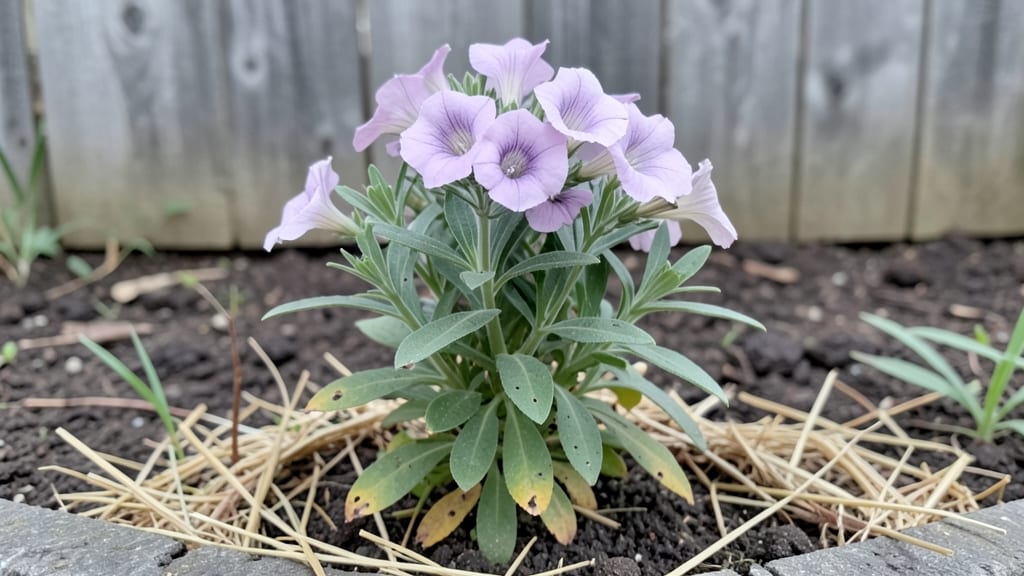
Growing a perennial nemesia plant 🌸 is possible with the right cold-hardy varieties—yes, even through winter.
If you love nemesia’s vibrant blooms but dread losing them to winter’s chill, you’re in luck—some perennial varieties are tougher than you think. Discover cold-hardy nemesia plants that thrive year-round, even in frosty climates, and transform your garden into a four-season spectacle.
Nemesia typically behaves as an annual in most climates, but select hardy varieties can push those limits. In USDA Zone 6a and warmer, you can extend their lifespan with smart overwintering tricks, like mulching or container protection.
Below, I’ll walk you through the best perennial nemesia types, how to plant them for long-term success, and the simple care routines that keep them blooming season after season.
Cold-hardy perennial nemesia varieties for year-round growth
While nemesia is often grown as an annual, some varieties defy expectations by thriving as perennials in colder climates. These frost-tolerant gems return year after year, offering continuous blooms from spring to fall with minimal effort.
The key lies in selecting USDA Zone 5-9 hardy varieties and providing proper winter care. Let’s explore the toughest nemesia cultivars that outperform annuals in chilly regions.
Most gardeners assume nemesia dies back in winter, but these cold-hardy perennials prove them wrong. Varieties like Nemesia strumosa and its hybrids have adapted to survive light frosts down to 15°F (-9°C).
Their secret? Thick, woody stems and deep root systems that store nutrients for regrowth. Even in Zone 5 gardens, these plants return stronger each year with proper protection.
Here’s what sets these perennial nemesia varieties apart: they combine vibrant blooms with disease resistance and low-maintenance growth. Unlike their annual cousins, they don’t need replanting, saving you time and money. Plus, their compact sizes make them perfect for containers, borders, or rock gardens where space is limited.
🌱
Let’s start with Nemesia strumosa 'Blue Bird', my top pick for Zone 5 gardens. This variety boasts vibrant blue flowers that bloom from spring until frost, even in cooler climates.
Its silver-gray foliage adds texture to borders, while its drought tolerance makes it low-maintenance. Plant it in well-draining soil with morning sun for best results.
The 'Cupcake Series' is perfect for container gardens or small spaces. These compact perennials reach just 6-10 inches tall but pack a punch with continuous blooms from summer until frost.
Their dark green leaves contrast beautifully with pink, purple, or white flowers, making them ideal for window boxes or hanging baskets.
For colder regions, 'Perpetual Jewel' is a game-changer. This variety thrives in USDA Zone 5 and survives light frosts with proper mulching. Its blue-green foliage stays lush year-round, and the lavender-blue flowers attract pollinators. Pair it with heuchera or hebe for a striking perennial border.
If you love sunny, warm climates, 'Sunny Side Up' is a must-have. While it prefers Zone 6-9, it handles heat better than most nemesia varieties.
The bronze-green leaves and yellow-orange blooms create a cheerful display, and it’s drought-resistant once established. Perfect for rock gardens or Mediterranean-style landscapes.
Don’t overlook 'Peppermint', a fragrant variety with mint-scented flowers that thrive in USDA Zones 5-9. Its purple-tinged foliage adds color even when not in bloom, and the lavender-pink flowers attract butterflies. This is my go-to for cutting gardens—the blooms last weeks in vases and smell amazing.
To maximize year-round growth, focus on soil preparation and winter
How to overwinter perennial nemesia in cold climates
Overwintering perennial nemesia in cold climates requires careful planning, but with the right techniques, you can protect your plants and enjoy vibrant blooms again next spring. Nemesia thrives in USDA zones 9-11 but can survive colder winters with proper insulation and mulching.
Whether you're in the Pacific Northwest or the Midwest, these steps will help your nemesia plants endure frost and return stronger than ever.
First, identify the hardiest nemesia varieties like Nemesia strumosa or Nemesia versicolor, which are more cold-tolerant than others. These varieties can handle temperatures down to 20°F (-7°C) with protection.
If your nemesia is in containers, move them to a sheltered location before the first frost, as potted plants are more vulnerable to freezing temperatures.
Step-by-Step Guide to Overwintering Nemesia
- 1 Prune back your nemesia in late fall, cutting stems back by one-third to reduce stress. This encourages new growth in spring and prevents disease from lingering in dead foliage. Use clean, sharp pruning shears to avoid damaging the plant.
- 2 Apply a thick layer of mulch around the base of your nemesia, using straw or shredded leaves (6-8 inches deep). This insulates the roots and protects them from freezing temperatures. Avoid using fresh wood chips, as they can draw moisture away from the soil.
- 3 Cover with frost cloth or a breathable burlap sack when temperatures drop below 30°F (-1°C). Secure the covering loosely to allow airflow and prevent moisture buildup, which can lead to rot. Check the plants weekly to ensure they’re not damp or moldy.
- 4 Move container nemesia indoors if you live in USDA zones 6 or colder. Place pots in a cool, bright location like a garage or basement, keeping them slightly moist but not soggy. Avoid heating vents, as dry air can stress the plants. Reduce watering to once every 2-3 weeks during dormancy.
- 5 Monitor soil moisture throughout winter, as frozen ground can prevent water absorption. If the soil feels dry, gently water the base of the plant. In snowy regions, let snow accumulate naturally around the plants—it acts as an extra insulating layer.
- 6 Remove winter protection in early spring once the last frost has passed and new growth appears. Gradually expose the plants to sunlight to avoid shock. Fertilize lightly with a balanced 10-10-10 mix to encourage robust regrowth and prepare for the blooming season.
For Pacific Northwest gardeners, focus on mulching early (by late October) and using evergreen boughs for additional wind protection. In the Midwest, where winters are harsher, consider burying containers in the ground or wrapping them in insulated bubble wrap for extra warmth.
Always test your nemesia’s resilience by checking for green shoots in late winter—this is your cue to remove winter covers.
If your nemesia struggles to survive winter, don’t be discouraged. Some varieties may not make it through sub-zero temperatures, but with patience and experimentation, you’ll find the best cold-hardy types for your climate.
Over time, your garden will become a year-round nemesia haven, blooming beautifully from spring to fall and returning stronger each year.
With these overwintering tips, your perennial nemesia will not only survive but thrive, rewarding you with vibrant blooms season after season. Happy gardening! 🌷