
Flowers
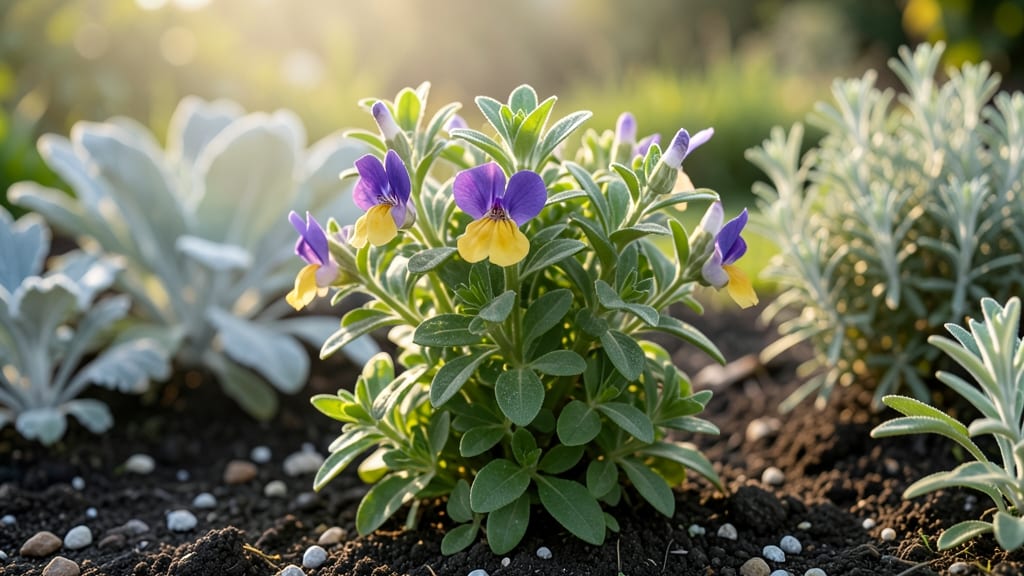
Deciding whether nemesia is annual or perennial depends on your climate: most varieties die back after one season, but frost-free zone plants (USDA 10-12) like Nemesia strumosa can return yearly. Cold sensitivity varies widely—most species succumb when temperatures drop below 40°F (4°C), requiring careful overwintering strategies.
Nemesia's growth habit shifts dramatically with temperature. In cooler regions, the plant follows a strict one-season cycle, blooming vigorously in spring and summer before frost kills it back.
However, in warmer microclimates or protected settings, certain varieties like Nemesia strumosa can persist as short-lived perennials, regrowing from the same roots if shielded from freezing. 🌱 The key difference lies in their cellular response to cold—annual types lack the protective mechanisms of true perennials, making them far more vulnerable to winter damage.
For gardeners in marginal zones, the solution often lies in cultural adjustments rather than species selection. Moving plants to containers before the first frost allows you to bring them indoors or into unheated greenhouses, effectively extending their lifespan.
Another trick is taking cuttings in late summer and rooting them under grow lights—a method that preserves your favorite varieties year after year. The trade-off? Annual nemesias typically offer more robust flowering and are easier to replace each season.
💡 In This Article
- Nemesia Plant Lifespan: Annual vs Perennial Behavior Explained
- Extending Nemesia Growth in Cold Climates: Practical Care Tips
Nemesia plant lifespan: annual vs perennial behavior explained
The fundamental difference between annual and perennial nemesia comes down to their biological response to temperature shifts. Annual varieties like Nemesia denticulata complete their entire life cycle in a single season, typically from seed to flower to seed production, all within 90-120 days.
Their cells lack the protective mechanisms that perennials develop, such as thickened cell walls or deep root systems that can store nutrients. When temperatures drop below 40°F (4°C), these annual types experience cellular damage that triggers rapid death—often within 24-48 hours of exposure.
Perennial types, particularly Nemesia strumosa, operate differently. These plants have evolved to survive mild winters by entering a state of dormancy rather than dying outright. Their root systems remain active below the frost line, storing carbohydrates that fuel regrowth when temperatures rise again.
The key threshold here is USDA Zone 10-12, where winter lows rarely drop below 30°F (-1°C). In these climates, nemesias can persist for 3-5 years or longer, though they may eventually decline from age or disease rather than cold.
What makes this distinction even more interesting is how hybrid varieties blur the lines. Many commercial nemesias are crossbred to combine the vigorous flowering of annuals with the slightly improved cold tolerance of perennials.
These hybrids might survive one or two mild winters in Zone 9 if given protection, but they still lack the hardiness of true perennials. The trade-off is that hybrids often produce larger, showier blooms than their perennial counterparts, which tend to focus energy on survival rather than flashy displays.
Here's where the science gets fascinating: nemesia's cold sensitivity stems from its native habitat. Most species originate from the Cape Floristic Region of South Africa, where winters are cool but rarely freeze.
Their cells contain high levels of unsaturated fats in membrane lipids, which remain fluid at cooler temperatures—similar to how olive oil stays liquid in the fridge. However, when exposed to below-freezing temperatures, these fats crystallize, rupturing cell membranes and causing irreversible damage. 🌡️
Consider these key differences in practical terms:
- Annual nemesias: Complete life cycle in one season, ideal for colorful displays but require annual replanting
- Perennial nemesias: Return yearly in frost-free zones, better for long-term garden structure but may have smaller blooms
- Hybrid varieties: Compromise between the two, often with improved cold tolerance but still needing protection in colder climates
The most cold-tolerant varieties typically have smaller leaves and darker green foliage—these traits correlate with reduced water content, which helps prevent ice crystal formation in cells.
For example, Nemesia denticulata varieties like 'Blue Bird' might survive one brief frost if protected, while Nemesia strumosa 'Pink Ice' can handle multiple mild winters in ideal conditions.
Understanding these biological differences helps explain why some gardeners report success with nemesias as perennials in microclimates—what appears to be perennial behavior is often just delayed annual growth from self-seeding or protected root systems.
The key takeaway? Nemesia's lifespan isn't strictly binary—it's a spectrum influenced by both genetics and growing conditions. 🌿