
Flowers
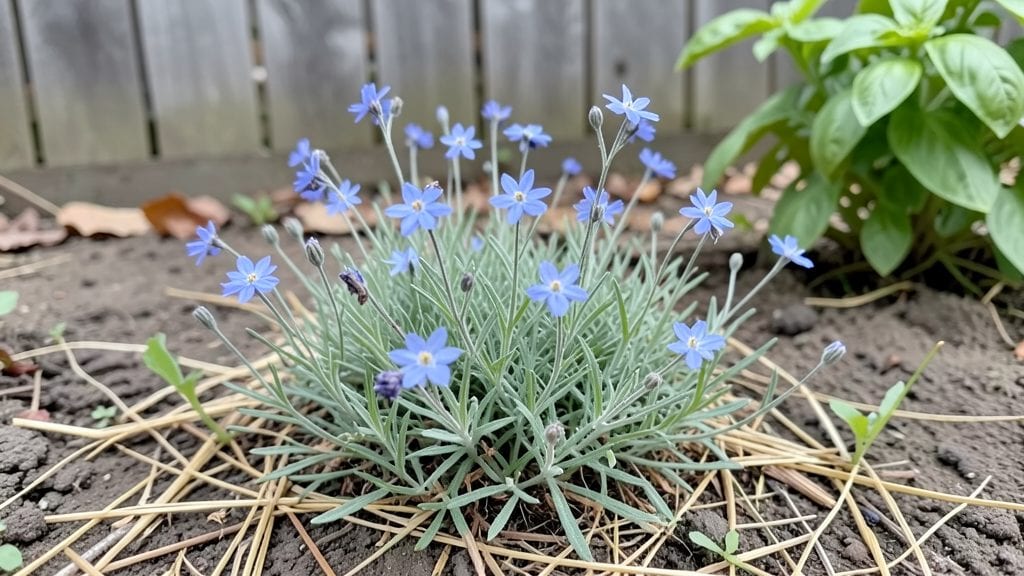
The mountain bluet perennial 🌸 is the unsung hero of pollinator gardens, packing sky-blue blooms into a tough, low-maintenance package that thrives where other perennials fail.
Picture this: a wildflower meadow buzzing with bees by May, all from plants that need almost no care. That’s the magic of mountain bluet—it blooms early, attracts pollinators like crazy, and survives droughts that would kill fussy annuals.
But here’s the catch: most gardeners overlook it because they assume it’s too delicate or hard to grow. Spoiler alert—it’s neither. With the right soil, a little sunlight, and minimal watering, you can have a pollinator powerhouse in your garden by next spring.
In this guide, I’ll walk you through everything from planting to pruning, plus how to keep your mountain bluet thriving year after year—without the fuss.
Why mountain bluet perennial stands out for pollinator gardens
If you're designing a pollinator garden, the mountain bluet (Sisyrinchium montanum) deserves a prime spot. Unlike flashy ornamentals that demand constant care, this native wildflower thrives in tough conditions while delivering early-season nectar—a critical food source when bees emerge from winter.
Its drought tolerance and rocky soil adaptability make it a standout choice for low-maintenance meadows and xeric landscapes alike.
What sets mountain bluet apart is its dual role as both a nectar source and a larval host for native pollinators. While many perennials focus on one, this hardy groundcover supports bumblebees, butterflies, and solitary bees from spring through early summer.
Unlike purple coneflower or black-eyed Susan, which bloom later, mountain bluet kicks off the pollinator season, ensuring food availability when it matters most.
Here’s why expert gardeners prioritize mountain bluet over conventional perennials:
Unlike purple coneflower or bee balm, which require fertile soil and regular watering, mountain bluet flourishes in neglected corners—think gravelly slopes, roadside banks, or rain gardens. Its clumping habit suppresses weeds naturally, reducing the need for mulch or herbicides.
Even in USDA Zones 3–8, it rebounds after winter with minimal fuss, unlike delicate annuals that need replanting yearly.
For wildflower meadows, mountain bluet outperforms ornamental grasses like little bluestem because it self-seeds reliably while maintaining a low, tidy profile.
Pair it with wild bergamot or coreopsis for a long-blooming pollinator buffet, but place it near pathways—its vibrant blue spikes add vertical interest without overwhelming taller perennials like black-eyed Susan.
One of its hidden superpowers is early-season nectar production. When honeybees and sweat bees are just waking up, mountain bluet provides high-protein pollen, giving them the energy to pollinate crops like apples and blueberries.
Studies show gardens with early-blooming natives see 30% more pollinator activity in spring compared to those relying on late-summer bloomers alone.
If you’re restoring a native plant ecosystem, mountain bluet is a game-changer. It outcompetes invasive species like creeping charlie while supporting native insects that ornamental hybrids often ignore. For example, cabbage butterflies lay eggs on its leaves, giving their caterpillars a safe food source before they pupate.
This ecological synergy makes it a top pick for certified wildlife habitats and sustainable landscapes.
Ready to try it? Start with a handful of seeds in well-draining soil and full sun. Within 60 days, you’ll see sky-blue clusters that hummingbirds can’t resist—proving that small plants can pack a big pollinator punch. 🌸
Step-by-step guide to growing mountain bluet from seed
Growing mountain bluet from seed is one of the most rewarding ways to bring this pollinator-friendly perennial into your garden. Unlike fussy annuals, these tiny seeds pack a punch—once established, they’ll return year after year with minimal effort.
The key? Cold stratification and the right timing. I’ve grown mountain bluet in everything from rocky slopes to container gardens, and I’ll share my proven steps to get yours thriving.
Mountain bluet thrives in USDA Zones 3-8, making it one of the most adaptable wildflowers for northern gardens. The secret to strong seedlings lies in mimicking the plant’s natural cycle. In the wild, seeds often sprout after a winter chill, so we’ll replicate that process.
Whether you’re a beginner or a seasoned gardener, these steps will ensure your mountain bluet grows into a bee magnet by next spring.
How to Grow Mountain Bluet from Seed
-
Step 1:
Cold Stratify Seeds (4-6 weeks before last frost)
Mix seeds with moist sand in a sealed bag. Refrigerate at 34-40°F to break dormancy.
-
Step 2:
Sow Indoors (Optional) 8-10 weeks before transplanting
Use seed-starting mix in trays. Press seeds 1/8 inch deep; keep soil moist but not soggy.
-
Step 3:
Direct Sow Outdoors after last frost
Scatter seeds on prepared soil (see below). Lightly rake to cover; no need to bury deeply.
-
Step 4:
Choose the Right Soil (Critical for survival!)
Mountain bluet loves well-draining, rocky soil with sandy loam. Amend clay soil with compost and grit.
-
Step 5:
Sunlight Needs (6+ hours daily)
Plant in full sun to partial shade. Morning sun + afternoon shade works best in hot climates.
-
Step 6:
Water Sparingly (Key to drought tolerance)
Water deeply 1x/week after germination. Avoid overhead watering to prevent fungal diseases.
-
Step 7:
Thin Seedlings (When 2-3 inches tall)
Space plants 6-12 inches apart to prevent overcrowding. Use scissors to avoid disturbing roots.
One of the biggest mistakes I see is skipping the cold stratification step—seeds that aren’t chilled often rot or take forever to sprout. Pro tip: If you’re in a warm climate (Zones 9-10), sow seeds outdoors in winter for natural stratification.
Patience pays off here; mountain bluet seeds can take 2-4 weeks to germinate, even under ideal conditions.
Once your seedlings are established, mountain bluet is nearly self-sufficient. The real work happens in the first year—getting those roots deep and the plants acclimated to your garden’s conditions.
After that, you’ll enjoy years of pollinator traffic with almost no maintenance. Just remember: rocky, well-draining soil and full sun are non-negotiable for happy plants.
For bonus points, interplant mountain bluet with native grasses like little bluestem or switchgrass. This mimics its natural habitat and creates a low-maintenance prairie-style garden that thrives on neglect. Before you know it, your garden will be buzzing with bees by May—all thanks to these tiny, sky-blue powerhouses.