
Flowers
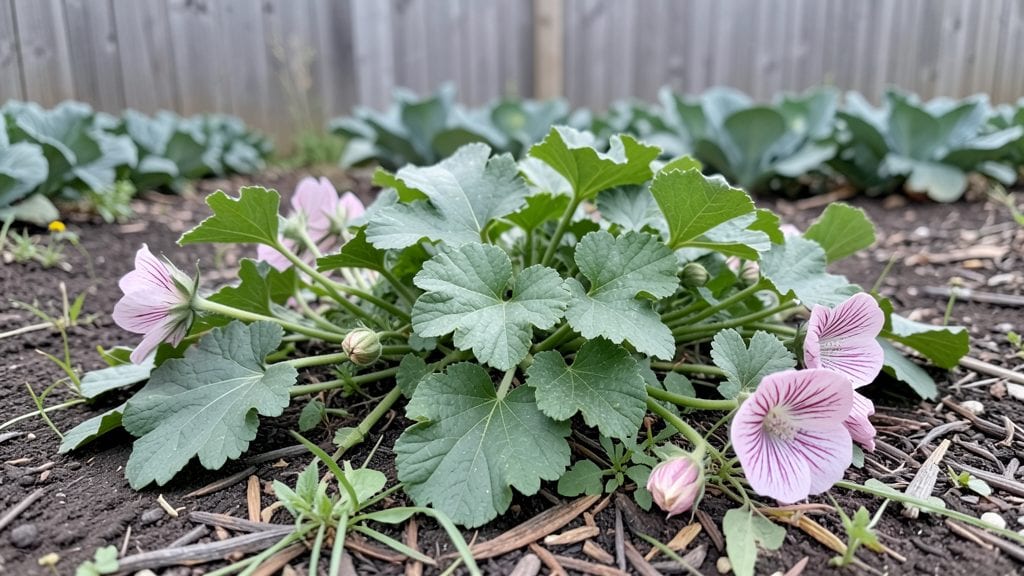
Growing a Malva zebrina perennial 🌸 means adding a drought-proof, velvety-textured ground cover that spreads effortlessly while demanding almost no effort from you.
Picture this: a garden where watering mistakes don’t matter, where poor soil can’t stop it, and where the only chore is stepping back to admire its zebra-striped foliage spreading like a living carpet. That’s the magic of this hardy perennial—once planted, it’s practically indestructible.
If you’re in USDA Zone 6a or warmer, spring is the perfect time to introduce it to your borders, containers, or pollinator-friendly patches. Unlike fussy annuals, this plant thrives on neglect, making it a dream for busy gardeners or those with rocky, dry, or sandy soil.
In this guide, I’ll walk you through everything from planting after the last frost to avoiding the few pitfalls that could slow its spread—so you can enjoy a lush, low-maintenance garden without the guilt of overwatering or over-tending.
Why Malva zebrina perennial thrives in drought and poor soil
The Malva zebrina perennial isn’t just another pretty face in your garden—it’s a survivalist with built-in drought resistance and a knack for turning neglected soil into a thriving ground cover.
Its secret? A combination of succulent-like leaves and deep roots that tap into moisture deep underground, making it one of the most low-water plants for tough conditions.
Native to Mediterranean climates, this plant has evolved to handle rocky terrain and sandy soils where other perennials would struggle. Its velvety foliage and striking zebra-striped patterns make it a standout, but the real magic is its ability to spread effortlessly without needing rich amendments or constant care.
Whether you’re dealing with clay-heavy soil that stays compacted or a dry, sunny slope that’s impossible to water consistently, Malva zebrina adapts. Its thick, waxy leaves reduce water loss, while its extensive root system helps stabilize soil and prevent erosion—making it a double-duty plant for both beauty and function.
Here’s how its natural resilience breaks down in real-world growing conditions:
🌱
One of the most impressive adaptations is its ability to self-mulch. As older leaves die back, they form a natural layer that locks in moisture and regulates soil temperature—just like a living mulch.
This means you can plant it in areas where other ground covers would wilt underfoot or require constant watering.
In USDA Zone 6a and warmer, Malva zebrina also handles heat waves better than many perennials. Its succulent-like leaves store water, while its shallow but widespread roots prevent it from drying out during summer slumps.
Even in urban gardens with compacted soil, it thrives because it doesn’t rely on deep, fertile layers to survive.
If you’re planting in containers or rock gardens, this perennial is a game-changer. Unlike fussy annuals, it doesn’t need rich compost or weekly watering. Simply place it in well-draining soil, give it 6 hours of sunlight, and let it do the rest.
Over time, it’ll create a lush, velvety carpet that even deer and rabbits tend to avoid.
For those in dry climates, pairing Malva zebrina with lavender or sedum creates a xeriscaped paradise that requires almost no irrigation. Its silver-gray foliage contrasts beautifully with deep blues and purples, adding texture without the upkeep of traditional perennials.
🌿
The key to maximizing its resilience? Plant it in spring after the last frost, when soil temperatures are consistently above 50°F (10°C). This gives its roots time to establish before summer heat sets in.
Avoid overwatering in the first few weeks—this plant is tough enough to handle dry spells right from the start.
How to plant and spread Malva zebrina for maximum impact
To turn your garden into a lush, low-maintenance carpet of zebra-striped foliage, start by choosing the right propagation method for Malva zebrina. Unlike finicky annuals, this perennial spreads easily through seeds or division, but division is my top recommendation for faster, more reliable results.
Whether you're filling a rocky border or a container garden, the key is timing and spacing—avoid the common mistake of crowding plants too early, which can stunt their spread.
Once you’ve planted, seasonal care is minimal. This drought-tolerant beauty thrives on neglect, but a few strategic tips—like mulching in summer and pruning in early spring—will keep it looking its best.
Pair it with the right companion plants, and you’ll create a self-sustaining ground cover that outshines even the most high-maintenance perennials.
Step-by-Step Planting & Spreading Guide
-
Step 1: Choose Your Method
- 🌱 Seeds: Sow 1/4-inch deep in well-draining soil after last frost. Germination takes 2-4 weeks in warm soil (70°F+).
- ✂️ Division: Dig up mature clumps in early spring, separate roots, and replant 12-18 inches apart for faster spread.
-
Step 2: Prepare the Soil
- Test soil pH (6.0-7.5)—amend with compost if clay-heavy.
- Avoid waterlogged areas; gravel or sand improves drainage.
-
Step 3: Plant with Precision
- Space plants 12-18 inches apart for optimal airflow and prevents fungal issues.
- Plant in full sun to partial shade (6+ hours of light for best foliage).
-
Step 4: Water Wisely
- Water deeply but infrequently—1 inch per week after establishment.
- Use drip irrigation to avoid wetting foliage (reduces mildew risk).
-
Step 5: Encourage Spread
- Let seed pods self-sow in spring for natural propagation.
- Divide every 2-3 years to rejuvenate clumps and share with neighbors!
-
Step 6: Seasonal Care
- 🌿 Spring: Prune dead foliage and add compost.
- ☀️ Summer: Mulch with straw to retain moisture.
- ❄️ Fall/Winter: Cut back brown stems but leave basal foliage for early regrowth.
One of the biggest myths about Malva zebrina is that it’s invasive. In reality, its roots stay contained and non-aggressive—unlike bamboo or mint. The real trick to maximizing its spread is giving it room to breathe.
If you plant too densely, you’ll end up with smaller leaves and more competition for nutrients. Think of it like a living carpet: the wider you space the plants now, the faster they’ll fill in gaps naturally.
For containers or small gardens, I recommend division every 2 years to keep the plant healthy and prevent overcrowding. Simply dig up the clump, separate the roots with a clean knife, and replant the divisions.
This method also lets you create new garden spots without buying more plants—a cost-effective way to expand your zebra-striped oasis.
If you’re aiming for a wildflower-meets-ground-cover look, let the seed pods dry on the plant. They’ll self-sow effortlessly in spring, giving you a natural, patchwork effect over time. Just be mindful of where you plant—this beauty thrives in poor soil but can still outcompete delicate perennials if left unchecked.
For year-round interest, pair Malva zebrina with evergreen companions like heuchera or sedum. The contrast between its velvety foliage and the textured leaves of these plants creates a stunning, low-maintenance tapestry that even the busiest gardener will envy.
And the best part? You’ll spend more time admiring your garden than tending to it.