
Flowers
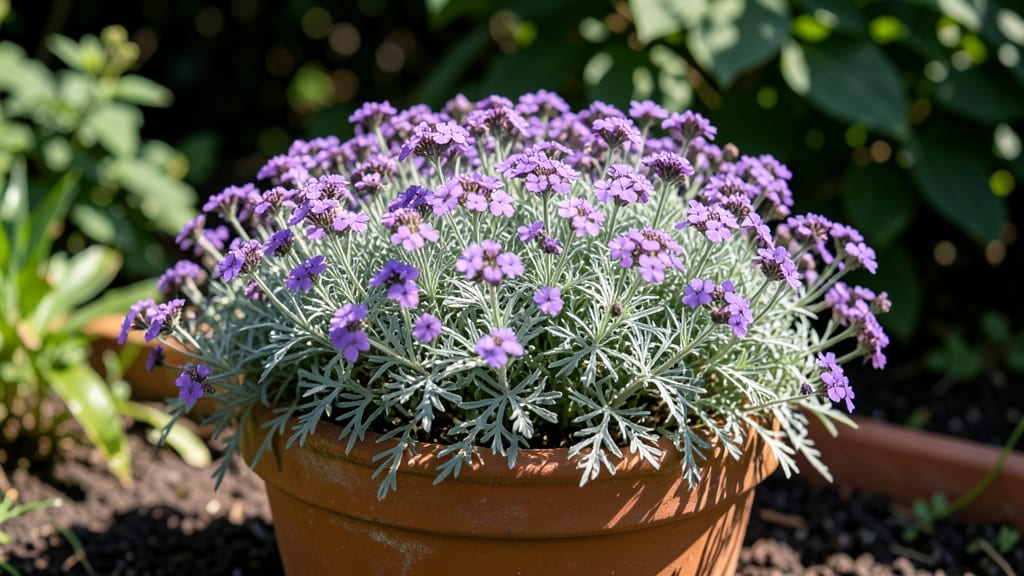
The alyssum flower perennial survives winter by entering dormancy, forming a cold-resistant rosette of leaves that protects its core growth point. This hardy ground cover regrows vigorously in spring after enduring temperatures as low as 15°F (-9°C), especially when grown in well-draining soil with winter protection like mulch or frost blankets.
The alyssum flower perennial's secret to winter survival lies in its semi-evergreen foliage and shallow root system, which allow it to absorb just enough moisture to stay alive during frost. 🌱 The plant's natural dormancy period helps it conserve energy while still maintaining enough life to rebound quickly once temperatures rise.
Varieties like sweet alyssum (Alyssum maritimum) are particularly resilient, often thriving even in USDA Zone 5 climates with minimal protection.
For gardeners in colder regions, the key is preparation: trim back dead foliage in late fall, apply a 2-3 inch layer of straw mulch, and consider using frost blankets during sudden cold snaps.
This approach mimics the plant's natural protective mechanisms while giving it the best chance to regenerate in spring. The result? A lush, low-maintenance ground cover that returns year after year with minimal effort.
💡 In This Article
- Why Alyssum Flowers Survive Winter Dieback
- Preparing Alyssum for Winter: Step-by-Step Care Guide
Why alyssum flowers survive winter dieback
Alyssum's winter resilience stems from its semi-evergreen growth habit and specialized leaf structure. Unlike annuals that die completely, these perennials form a dense, low-growing rosette of small, fleshy leaves that act as natural insulation.
The leaves contain high levels of antioxidants and waxes that prevent water loss while allowing minimal gas exchange—a perfect balance for surviving frost. This mechanism is similar to how succulents conserve moisture, but alyssum achieves it with a more delicate, herbaceous texture.
The plant's shallow root system (typically 6-12 inches deep) plays a crucial role too.
These roots spread horizontally rather than growing deep, allowing them to quickly absorb any available moisture while avoiding deep soil freezing. 🌿 In colder climates, this shallow network can actually benefit from the insulating effect of snow cover, which creates a protective microclimate. The trade-off?
Alyssum needs well-draining soil to prevent root rot during winter thaws—a common issue in heavy clay soils.
Dormancy is where alyssum truly excels. When temperatures drop below 40°F (4°C), the plant enters a semi-dormant state where metabolic processes slow dramatically. This conserves energy while maintaining just enough cellular activity to prevent complete tissue death.
Some varieties like Alyssum saxatile can even survive brief exposures to -10°F (-23°C) when fully hardened off, though most thrive at the 15°F (-9°C) threshold mentioned earlier.
Not all alyssum varieties handle winter equally. Alyssum maritimum (sweet alyssum) is the most cold-tolerant, often surviving unprotected in Zone 6, while Alyssum montanum (golden alyssum) prefers milder winters.
The key difference lies in their leaf composition: maritime varieties have thicker cuticles and higher sugar content in their cells, which acts as natural antifreeze. This biological adaptation explains why coastal alyssum often outperforms its inland cousins in harsh winters.
Light exposure also matters during winter. Alyssum needs at least 4-6 hours of sunlight daily to maintain photosynthesis at reduced rates. In shaded areas, the plants may struggle to regenerate properly in spring.
This is why gardeners in northern climates often plant alyssum in south-facing beds where winter sun can penetrate. The combination of proper light exposure, soil drainage, and variety selection creates the perfect conditions for winter survival.
What most gardeners don't realize is that alyssum's winter dieback isn't complete death—it's a strategic retreat. The plant's meristem (growth point) remains protected beneath the leaf rosette, shielded from freezing temperatures. This protected growth center ensures rapid regrowth once spring arrives, often within 2-3 weeks after consistent above-freezing temperatures.
The result is a ground cover that appears to "come back from the dead" each spring, making it one of the most resilient perennials for cold climates. ✨