
Flowers
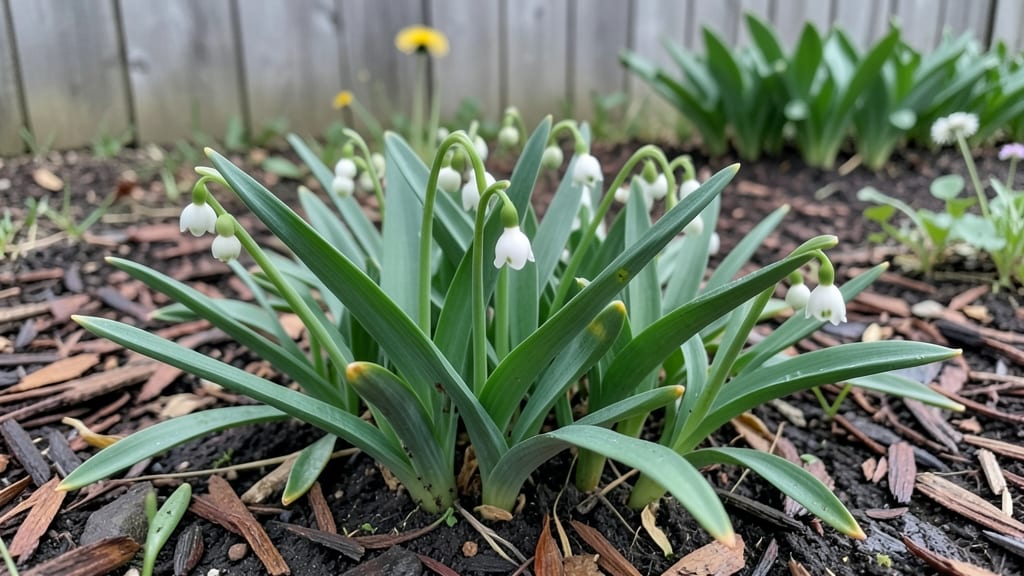
Lily of the valley is a perennial plant, not an annual, and its fragrant white bell-shaped flowers return year after year with proper care in USDA zones 3-8. This hardy plant can live for decades when given consistent moisture and shade, though it may spread aggressively under ideal growing conditions.
This plant earns its reputation as a garden staple because of its rhizomatous root system, which stores nutrients and survives winter dormancy in cold climates. 🌱 Unlike annuals that complete their life cycle in one season, lily of the valley builds underground reserves each year, allowing it to rebound stronger after frost.
The key to its longevity lies in mimicking its natural woodland habitat—partial shade and well-draining soil prevent stress that could shorten its lifespan.
What many gardeners discover is that while its aggressive spread can be a blessing (filling garden gaps quickly), it also requires regular maintenance. I've found that dividing mature clumps every 3-4 years prevents overcrowding while maintaining flower production.
The trade-off? Its tenacity makes it a low-maintenance perennial once established, though deer and slugs may see it as an all-you-can-eat buffet in some regions.
💡 In This Article
- Why Lily of the Valley Thrives as a Perennial
- Best Practices for Cultivating Long-Lived Lily of the Valley
Why lily of the valley thrives as a perennial
The secret to lily of the valley's perennial success lies in its rhizomatous root system, a horizontal underground stem that stores carbohydrates and nutrients. Unlike annuals that die back completely after flowering, this plant's rhizomes continue growing each season, producing new shoots from nodes along their length.
These rhizomes can extend 12-18 inches underground and spread horizontally at rates of 6-12 inches per year under ideal conditions, creating a dense network that sustains the plant through multiple growing seasons.
What sets it apart from biennials (like foxglove) is its ability to enter dormancy without losing its entire root structure. During winter in zones 3-8, the above-ground foliage dies back, but the rhizomes remain active just below the frost line, continuing to store energy.
This underground survival mechanism is similar to how asparagus or hostas overwinter, but lily of the valley's rhizomes are more resilient to freeze-thaw cycles due to their shallow depth (2-4 inches below soil surface) combined with high moisture retention in their cells.
The plant's cold hardiness comes from its ability to supercool - a process where its cellular fluids remain liquid below freezing without forming damaging ice crystals. This allows it to survive temperatures down to -30°F (-34°C) in zone 3, while still producing flowers in spring.
The trade-off? Its shallow roots make it sensitive to soil drying out in summer, which is why consistent moisture is critical for perennial performance.
Here's how its growth compares to annuals and biennials:
- Annuals: Complete entire life cycle in 1 season (e.g., marigolds), storing no reserves for future growth
- Biennials: Store energy 1 year (e.g., hollyhocks), then flower and die
- Perennials like lily of the valley: Store energy year after year through rhizomes, with potential lifespans of 50+ years
What most gardeners don't realize is that its aggressive spread is actually a survival strategy. Each rhizome node can produce 2-3 new shoots annually, creating a safety net against environmental stresses.
This vegetative reproduction ensures the plant can quickly recolonize areas damaged by frost, drought, or pests. The downside? This same trait makes it invasive in some regions where it wasn't native.
The plant's fragrant flowers (which contain convallatoxin, a cardiac glycoside) also play an ecological role in its perennial success. While toxic to many animals, the scent attracts pollinators like bees and butterflies that help ensure seed production - though most propagation occurs through rhizome spread rather than seed.
This dual reproductive strategy gives it multiple pathways to persist through changing conditions.