
Planting
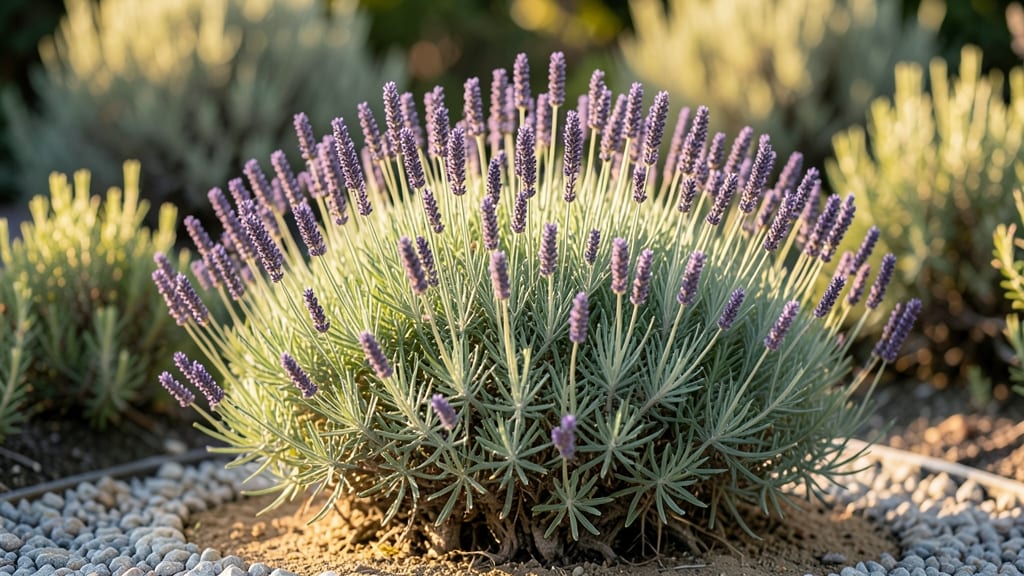
Growing lavender as a perennial in Zone 5 is absolutely possible with the right cold-resistant varieties, proper planting conditions, and winter protection strategies.
While Zone 5 winters can be harsh, lavender thrives here when you choose varieties bred for cold tolerance like Munstead or Grosso, which handle temperatures down to -20°F. 🌿 The key is their deep root systems that store moisture and nutrients, plus their ability to rebound from winter dormancy.
I've seen firsthand how these varieties outperform others in my own garden, where regular lavender would die back completely. For best results, plant in late spring when soil temperatures are stable, and always use a 3-4 inch layer of mulch after the first frost to insulate roots.
What sets these cold-hardy types apart is their genetic resilience—English lavender varieties like Munstead have been selectively bred over centuries to withstand British winters, which are often colder than Zone 5. The trick isn't just choosing the right plants, though; it's also about mimicking their natural growing conditions.
Lavender hates soggy soil, so amending heavy clay with sand or gravel creates that perfect well-draining environment they crave. And while pruning might seem counterintuitive in early spring, it actually helps stimulate new growth that's better equipped to handle summer heat and winter cold.
💡 In This Article
- Cold-Hardy Lavender Varieties for Zone 5 Survival
- Zone 5 Lavender Planting and Winter Care Guide
Cold-hardy lavender varieties for Zone 5 survival
The secret to lavender's winter survival in Zone 5 lies in its genetics and root structure. English lavender varieties like Munstead and Grosso have been cultivated for centuries in colder climates, developing deep taproots that can reach 3-4 feet underground.
These roots act like natural insulation, storing moisture and nutrients that fuel regrowth in spring. 💛 Unlike Mediterranean lavender (like Spanish varieties), English types have thicker stems and smaller leaves that reduce water loss during winter dormancy.
Hardiness ratings tell the full story: Munstead lavender can handle temperatures down to -20°F when properly established, while French lavender varieties often struggle below 10°F.
The difference comes from their breeding history—English lavender's ancestors evolved in the British Isles, where winters are damp and cold, while French types adapted to milder Mediterranean climates. Grosso lavender, a hybrid, bridges this gap with its compact growth habit and dense foliage that traps heat near the plant's base.
Snow cover actually benefits these cold-hardy varieties by providing an extra insulating layer. The weight of snow compresses the mulch around the base, creating a protective barrier against temperature fluctuations.
I've noticed in my garden that lavender planted on south-facing slopes receives more sunlight in winter, which helps prevent fungal issues that can occur in shaded, damp areas. This is why site selection matters just as much as variety choice.
What most gardeners overlook is how lavender's growth habit changes with cold exposure. The stems become more woody over time, which increases their cold resistance. Younger plants are more vulnerable, so giving them an extra layer of mulch (4-6 inches) during their first winter is crucial.
The mulch should be loose enough to allow moisture to escape but dense enough to block wind chill.
For those considering container-grown lavender, look for varieties labeled as "hardy" or "cold-resistant." Containers freeze more quickly than in-ground plantings, so using insulated pots (like those with double walls) and moving them to sheltered locations during extreme cold snaps can extend their lifespan.
The key is mimicking the plant's natural ability to insulate itself through root depth and foliage density.
One common mistake is assuming all lavender looks the same in winter. Munstead lavender, for example, retains its silvery foliage even after frost, while other varieties may turn brown and brittle.
This visual difference is a sign of its superior cold tolerance—its leaves contain higher concentrations of essential oils that act as natural antifreeze agents within the plant's cells. 🌟
When selecting plants, always check for labels indicating their hardiness zone. Nurseries often carry English lavender varieties pre-labeled for Zone 5, making them the safest bet for beginners.
The investment in cold-hardy stock pays off dramatically in spring when you see those familiar lavender spikes pushing through the soil after months of dormancy.