
Companion Plants
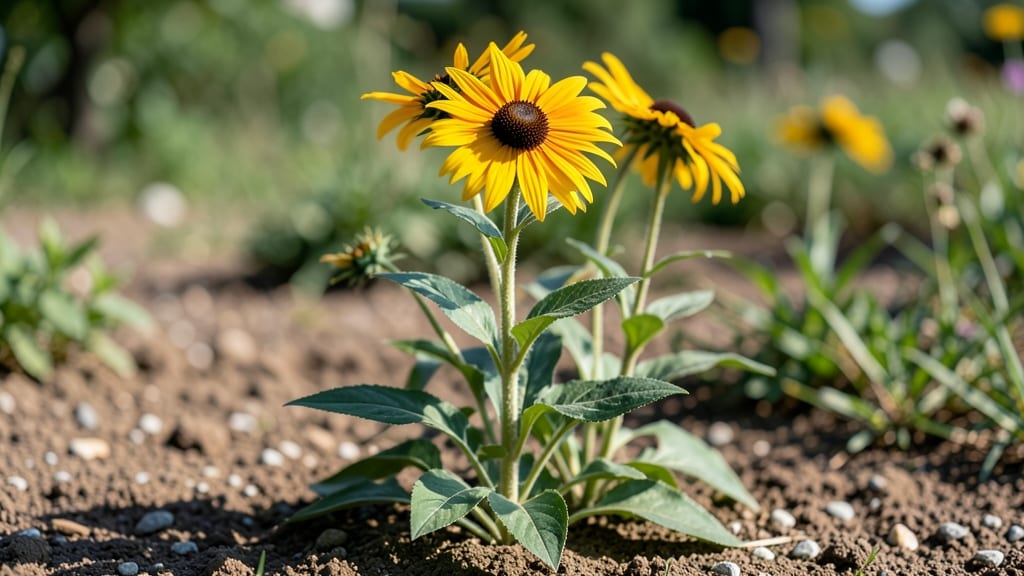
Yellow flowering perennial plants like black-eyed Susan, daylilies, and coreopsis thrive in various climates, offering vibrant color from early summer through fall with minimal maintenance. Choose cold-hardy varieties for reliable blooms in zones 3-9.
These sun-loving perennials aren't just pretty—they're built to last. 🌼 Their deep root systems store moisture and nutrients, while many varieties like black-eyed Susans and coreopsis naturally resist drought once established.
The key to their longevity is selecting varieties bred for your specific zone; for example, daylilies in zone 3 can handle -40°F temperatures, while goldenrod thrives in the heat of zone 9.
Their ability to self-seed also means you'll get fresh blooms year after year with almost no effort from you.
What makes these perennials particularly appealing is their versatility in garden design. You can create stunning color contrasts by pairing them with purples like coneflowers or blues like salvias. Most prefer full sun and well-drained soil, making them perfect for rock gardens, borders, or even container planting.
The secret to their long-lasting beauty? Regular deadheading spent blooms and dividing clumps every 3-4 years to maintain vigor.
💡 In This Article
- Why These Yellow Perennials Survive Cold Climates
- Designing a Low-Maintenance Yellow Perennial Garden
Why these yellow perennials survive cold climates
These hardy yellow perennials owe their cold resilience to specialized biological adaptations. Many, like black-eyed Susans (Rudbeckia hirta), develop deep taproots that can extend 3-4 feet underground, accessing moisture and nutrients even when surface soil freezes.
This root system acts like a natural insulation blanket, protecting the plant's crown from temperature swings that can reach -20°F in zone 4. The plant's ability to store carbohydrates in these roots during summer provides energy for regrowth when spring arrives.
The science behind their frost tolerance involves cellular adaptations.
During cold snaps, these perennials produce protective proteins that stabilize cell membranes, preventing ice crystal formation that would rupture plant tissues. Daylilies (Hemerocallis), for instance, can survive -40°F temperatures because their rhizomes contain high concentrations of sugars that act as natural antifreeze.
This biological mechanism is similar to how some fish survive Arctic winters by producing antifreeze proteins in their blood.
Seasonal dormancy is another key survival strategy. Most yellow perennials enter a state of reduced metabolic activity during winter, conserving energy while maintaining just enough cellular function to survive. For example, coreopsis varieties drop their foliage completely, redirecting nutrients to their roots where they remain protected.
This dormancy isn't true hibernation—plants maintain some root activity to monitor soil moisture and temperature, allowing them to "wake up" quickly when conditions improve.
Soil type plays a crucial role in their cold hardiness. Sandy soils drain quickly, preventing root rot during winter thaws, while clay soils retain moisture that can freeze and damage roots.
That's why many of these perennials thrive in USDA zones 3-9—they've evolved to handle both the extreme cold of northern climates and the heat stress of southern summers. The key is choosing varieties native to your region's specific microclimate conditions.
What most gardeners don't realize is how these plants' flowering cycles actually contribute to their survival. Many yellow perennials bloom late in the season, often continuing into fall when temperatures start dropping.
This extended bloom period allows them to complete their reproductive cycle before winter sets in, ensuring seed production for the next generation. The vibrant yellow flowers also play a role in attracting pollinators that help fertilize nearby plants, creating a more resilient garden ecosystem.
Consider goldenrod (Solidago) as a prime example—its dense foliage insulates the base of the plant, while its extensive root system prevents soil erosion in cold climates.
When planted in groups, these perennials create a microclimate that moderates temperature extremes, making them ideal for northern gardens where winter winds can be particularly harsh. 🌬️
The secret to their long-term survival isn't just about cold tolerance—it's about their ability to balance growth and conservation. These plants grow aggressively during their active season to build up energy reserves, then enter a state of suspended animation when conditions turn unfavorable.
This dual strategy explains why they can thrive for decades with minimal intervention from gardeners.