
Planting
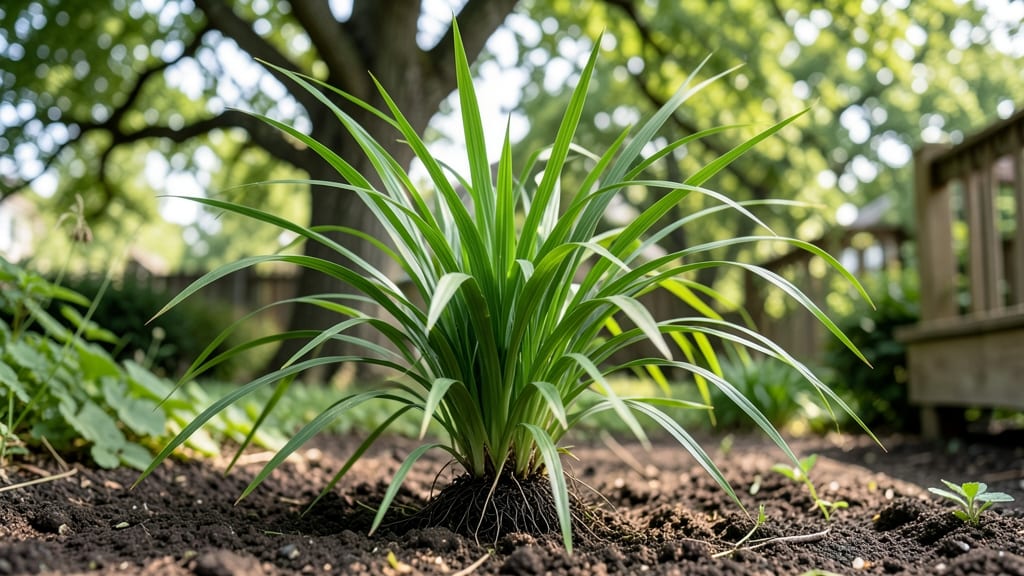
Lemongrass is not a true perennial in Zone 7, as it dies back to the ground in winter but may regrow from the crown if protected from hard freezes. Cold-hardy varieties like Cymbopogon citratus can survive mild winters but often need mulch or container relocation to persist year-round.
Lemongrass thrives in tropical climates (Zones 9–11), where it grows year-round without issues. In Zone 7, though, the plant enters dormancy when temperatures drop below 20°F, causing the above-ground stalks to brown and die. 💛 The good news?
With proper protection—like thick mulch or moving potted plants indoors—the rhizome (root system) often survives to sprout again in spring.
This makes lemongrass behave more like a tender perennial in Zone 7, where it can return if winter conditions aren’t extreme. For gardeners in colder microclimates, overwintering strategies (like harvesting stalks before frost or using frost blankets) can extend its lifespan beyond a single season.
💡 In This Article
- Why Lemongrass Dies in Zone 7 Winters
- How to Overwinter Lemongrass in Zone 7 Gardens
Why lemongrass dies in Zone 7 winters
Lemongrass (Cymbopogon citratus) originates from tropical Southeast Asia, where it thrives in warm climates with consistent temperatures above 50°F. Its natural habitat lacks freezing conditions, which means the plant lacks the cold-hardiness adaptations of true perennials like mint or comfrey.
When Zone 7 winters drop below 20°F, the plant’s above-ground stalks freeze and die back completely, leaving only the rhizome (underground root system) intact.
The rhizome contains dormant buds capable of regrowth, but only if protected from prolonged exposure to 15°F or lower.
Frost damages the plant’s cell membranes, causing them to rupture and release water—this is why you’ll see brown, mushy stalks after a hard freeze. 🌱 Unlike hardy perennials that survive winter dormancy, lemongrass in Zone 7 behaves more like an annual unless actively protected.
Even then, survival depends on soil insulation and microclimate factors.
Zone 7’s cold snaps typically last 2–4 weeks, with temperatures fluctuating between 10°F and 30°F. These conditions are lethal to lemongrass without intervention, as its optimal growing range is Zones 9–11, where winter lows rarely drop below 30°F.
The plant’s inability to tolerate frost explains why it’s classified as a tender perennial—it requires human assistance to persist beyond one growing season.
What sets lemongrass apart is its rhizomatous growth habit. Unlike bulb plants (e.g., tulips), lemongrass spreads horizontally, creating a dense network of roots that store energy. This allows it to recover from dieback if the crown (base of the plant) remains unfrozen.
However, in Zone 7’s harshest winters, even the rhizome can succumb to frost penetration, especially in poorly drained or exposed soil.
For comparison, cold-hardy herbs like rosemary (Zone 7) survive winters with minimal protection, while lemongrass requires active measures.
The key difference lies in their evolutionary adaptations: rosemary evolved in Mediterranean climates with seasonal cold, while lemongrass adapted to year-round warmth. 💫 This biological mismatch is why Zone 7 gardeners must treat lemongrass as a seasonal plant unless they implement overwintering strategies.
Understanding these temperature thresholds helps explain why lemongrass often fails as a perennial in Zone 7. Without protection, the plant’s tropical biology simply can’t withstand the region’s winter extremes. The solution lies in mimicking its native climate—keeping it warm, moist, and insulated during dormancy.