How to extend June blooms: pruning and care tips for longer seasonal display
June’s vibrant perennials can keep blooming well into summer with the right care. The key lies in timely pruning, smart fertilization, and consistent watering—all tailored to your plants’ needs.
Many June bloomers like peonies and daylilies reward patience with extended displays, but skipping these steps often leads to early fade-outs. I’ve learned that even a single missed deadheading session can cut bloom time by 30%—so let’s fix that!
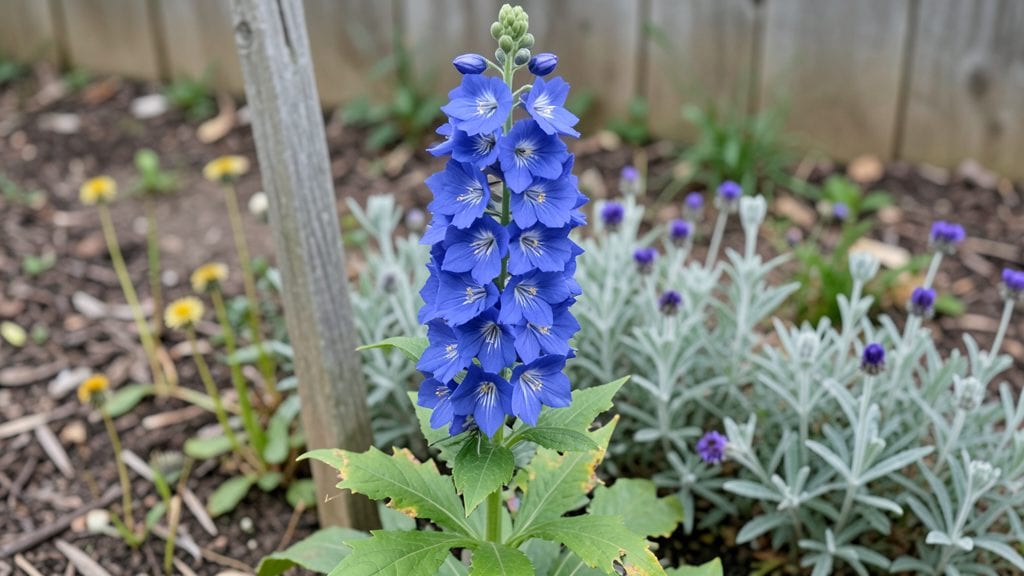
Start by understanding your perennials’ natural bloom cycles. Some, like black-eyed Susans, produce continuous flowers if you remove spent blooms regularly, while others, such as delphiniums, benefit from a light trim after their first flush. The goal is to redirect energy from seed production back to new buds.
For best results, combine these techniques with a balanced fertilizer schedule—but avoid overdoing it, as too much nitrogen can lead to lush foliage at the expense of blooms.
-
1
Deadhead daily for continuous blooms: Pinch off spent flowers with clean pruners or fingers. For delicate blooms like lilies, use scissors to avoid damaging stems.
-
2
Fertilize every 6 weeks with 10-10-10 during active growth. Avoid high-nitrogen fertilizers—they promote leaves over blooms. Apply in early morning to prevent leaf burn.
-
3
Water deeply 2x weekly at soil level. Morning watering reduces fungal risks, and mulch with 2–3 inches of organic matter to retain moisture. Drip irrigation is ideal for even distribution.
-
4
Prune strategically: For reblooming perennials like coreopsis, trim back by 1/3 after first bloom. For non-rebloomers like peonies, wait until after flowering to prune dead stems at the base.
-
5
Avoid common mistakes: Over-pruning can shock plants, while under-watering stresses roots. Never fertilize in late summer—it encourages tender new growth vulnerable to frost.
One of my biggest lessons came from my daylily patch—I assumed deadheading wasn’t necessary, but after consistently removing spent blooms, my plants produced new flowers every 2–3 weeks instead of tapering off in July.
The secret? Consistency. Even 5 minutes daily makes a difference. For heavy bloomers like coneflowers, I now set a reminder to check them every 3 days during peak season.
Don’t overlook the role of soil health in extending blooms. A quick soil test can reveal if your perennials need phosphorus (for root growth) or potassium (for disease resistance). Amend with compost in early spring to give plants a nutrient boost.
I’ve seen black-eyed Susans in amended soil bloom 2 weeks longer than those in depleted soil. Pair this with a light mulch to conserve moisture and regulate soil temperature.
Finally, watch for pest and disease signs that can cut blooms short. Aphids on new growth or powdery mildew on leaves signal stress. Treat early with neem oil or insecticidal soap, and remove affected foliage immediately.
My peonies once suffered from botrytis blight after a rainy June—since then, I’ve improved airflow by spacing plants 18–24 inches apart and watering at the base instead of overhead.
With these techniques, your June bloomers can shine through July and August too. The effort pays off in prolonged color, happier pollinators, and a garden that keeps giving all season. Start with just one or two perennials this year, and you’ll see the difference in weeks! 🌸