
Plants
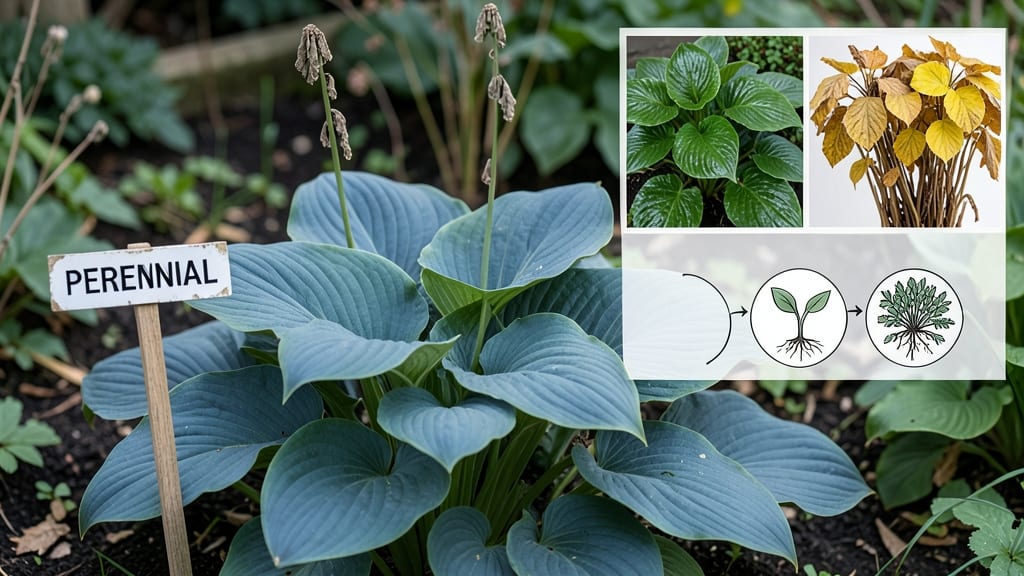
What is the definition of perennials? They are plants that regrow each year from the same root system, surviving winter dormancy to return with fresh foliage, flowers, or foliage annually. Unlike annuals or biennials, they thrive for multiple growing seasons with proper care.
Perennials are the gardener's long-term investment—they come back stronger every year because they store energy in their roots during off-seasons. 🌱 Think of them as the reliable friends of the plant world: once established, they require less frequent replanting and often become more resilient over time.
Many gardeners love perennials because they reduce yearly maintenance costs and create cohesive garden designs that mature beautifully. Some popular examples include lavender, hostas, and peonies, which not only return annually but often multiply over time.
What sets perennials apart from other plants is their ability to adapt to seasonal changes through specialized root structures like bulbs, tubers, or rhizomes. This underground network acts like a battery, storing nutrients and moisture to fuel regrowth when conditions improve.
For instance, daylilies use their rhizomes to spread and persist through harsh winters, while daffodils rely on bulbs that remain dormant underground until spring.
💡 In This Article
- How Perennial Plants Survive Multiple Seasons
- Top Perennial Plants for Gardens and Landscapes
How perennial plants survive multiple seasons
Perennials thrive year after year because they've evolved specialized underground storage systems that act like nature's survival kits. The most common structures include rhizomes (horizontal stems like in ginger), tubers (thickened roots like potatoes), and bulbs (layered structures like onions).
These storage organs contain starches, sugars, and moisture that fuel regrowth when above-ground parts die back in winter. For example, peonies store energy in thick, fleshy roots that can survive -20°F temperatures, while daylilies use their rhizomes to regenerate from just 1 inch of remaining stem.
The survival mechanism involves a carefully timed dormancy cycle triggered by shorter daylight hours and cooler temperatures. During dormancy, perennials reduce metabolic activity to 5-10% of normal levels, conserving energy while protecting against frost damage.
This adaptation contrasts sharply with annuals, which complete their entire life cycle in one season and must rely on seed production for survival. Biennials take two years to mature, but perennials can live for decades—some, like creosote bushes, can persist for over 100 years in optimal conditions.
What makes perennials particularly resilient is their ability to regenerate from multiple points. Unlike annuals that die completely when their seeds sprout, perennials can regrow from root fragments as small as 2-3 inches. This is why gardeners often see "volunteer" plants popping up years after the original planting.
The trade-off is that this regrowth requires energy, which is why newly established perennials may take 2-3 years to reach their full flowering potential—a process called "establishment phase."
Seasonal adaptation also involves specialized leaf structures. Many perennials develop thicker, waxier leaves in fall that reduce water loss during winter. Some, like sedums, even produce antifreeze proteins that prevent ice crystal formation in their cells.
This biological insulation allows them to survive temperatures as low as -30°F in some species. The contrast with annuals is striking—annuals prioritize rapid growth and reproduction, while perennials invest energy in long-term survival structures.
Consider how hostas demonstrate this perfectly: their broad leaves die back in winter, but the underground corms (a type of tuber) remain active, ready to sprout new shoots when soil temperatures reach 50°F in spring.
This underground persistence explains why you'll often find hostas spreading aggressively—they're not just surviving, they're strategically expanding their resource base for future seasons. 🌱
Another fascinating aspect is how perennials manage water storage. Plants like agave store water in their thick leaves, while others like yuccas develop deep taproots that reach 10-15 feet underground to access moisture.
This water reservoir system allows them to tolerate drought conditions that would kill annuals. The result? Perennials often require 30-50% less water once established compared to annuals in the same climate zone.
Understanding these mechanisms helps explain why perennials often outperform annuals in challenging conditions. While annuals must be replanted every year, perennials build soil fertility through their extensive root systems, creating a positive feedback loop that benefits surrounding plants.
This ecological advantage is why many native plant communities are dominated by perennials—they've evolved to thrive in their specific environments over thousands of years.