
Vegetables
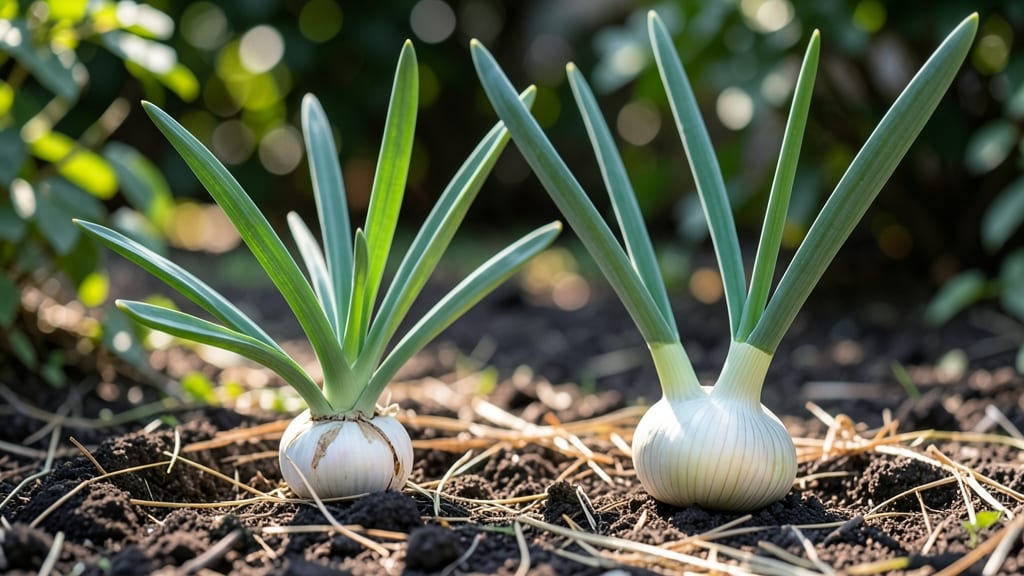
Not all alliums are perennial—while many like chives and ornamental varieties regrow yearly, others such as garlic and onions are biennial or grown as annuals. Their persistence depends on species, climate, and care.
Alliums actually fall into three main growth categories, which explains why some return every year while others don't. 🌱 The perennial types—like chives, garlic chives, and globe alliums—store energy in underground bulbs or rhizomes that survive winter dormancy.
Meanwhile, biennial varieties like onions produce seeds in their second year before dying back, while others are simply grown as annuals for convenience. The key difference lies in their root systems and how they handle seasonal changes.
For example, chives develop a dense network of fibrous roots that regenerate each spring, while garlic forms individual cloves that multiply over time.
This biological variation means your gardening approach should match the specific allium's needs—whether that means protecting bulbs from freeze-thaw cycles or providing consistent moisture during their active growing season.
💡 In This Article
- Perennial Allium Species: Growth Habits and Lifespans
- How to Ensure Alliums Thrive as Perennials
Perennial Allium species: growth habits and lifespans
The perennial alliums you'll find in gardens and kitchens rely on specialized underground storage systems to survive winter. Chives, for instance, develop a thick, fibrous root system that stores carbohydrates during dormancy, allowing them to regrow each spring from the same base.
This system is similar to how asparagus crowns operate, creating a network that can persist for 5-10 years with proper care. Meanwhile, ornamental alliums like the Allium giganteum form large, globe-shaped bulbs that act as energy reservoirs, much like tulip bulbs but with a more robust structure.
Garlic presents a fascinating contrast—it's technically a perennial but is often grown as an annual because its cloves multiply over time rather than relying on a single persistent bulb.
Each clove contains a dormant shoot that can regenerate, which is why you'll often see garlic plants spreading into multiple shoots in their second year.
The key difference lies in their dormancy cycles: true perennials like chives enter a shallow dormancy (roots stay active at 40°F), while garlic requires consistent cold exposure (32-40°F for 6-8 weeks) to trigger bulb formation.
Hardiness zones play a critical role in determining which alliums will thrive as perennials in your region. Chives, for example, handle USDA zones 3-9, making them one of the most adaptable alliums.
In contrast, species like Allium christophii (a stunning purple-flowered ornamental) prefer zones 5-8 and may struggle in colder climates without winter protection.
The root depth also varies—chives have roots that extend only 6-12 inches deep, while leeks can reach 2-3 feet, which affects their ability to access moisture during droughts.
What most gardeners don't realize is how soil temperature triggers regrowth. Alliums typically resume growth when soil temperatures reach 45-50°F, which is why early spring planting often fails—roots need consistent warmth to break dormancy.
This is why mulching with 4-6 inches of straw or leaves in fall can make a 20°F difference in root zone temperature, protecting perennial varieties through winter. The scent you notice when cutting chives?
That's disulfides released from damaged cells, a natural defense mechanism that also helps deter pests from established perennial plants.
Consider the growth cycles of these common perennial alliums:
- Chives: 3-4 year lifespan, regrows from same root crown annually
- Garlic: 2-3 year cycle (biennial), multiplies via cloves each season
- Leeks: 2-3 year perennial, forms larger bulbs each year
- Ornamental Alliums: 3-5 year lifespan, bulb expands annually
The real secret to perennial success lies in understanding these three key factors: root structure, dormancy requirements, and climate adaptation. For instance, while chives might survive -20°F winters, their flavor becomes milder in colder zones because the plant diverts energy to root protection rather than leaf growth.
This is why gardeners in zone 4 or colder often grow chives in containers that can be moved to sheltered spots during winter.