
Flowers
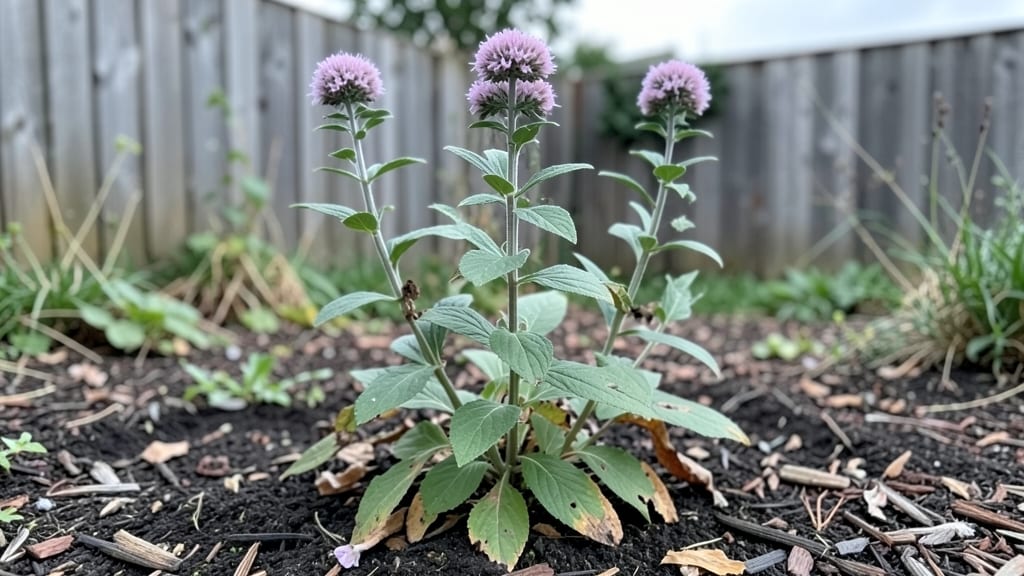
The Joe Pye weed perennial typically lives 5-10 years under ideal conditions, regenerating each year from its deep rhizome network that stores nutrients for spring growth. Harsh winters or nutrient-poor soil can reduce its lifespan, while proper late-winter pruning encourages vigorous new shoots annually.
The Joe Pye weed's underground rhizomes act like a natural battery, storing carbohydrates and nutrients during dormancy to fuel its dramatic 6-8 foot spring growth. 🌿 This hardy system allows it to bounce back year after year, even after severe dieback—though heavy frost or waterlogged soil can weaken its reserves over time.
The key to maximizing its lifespan lies in mimicking its natural environment: moist but well-drained soil and full sun exposure, with only minimal intervention needed once established.
What sets Joe Pye weed apart is its ability to self-repair through its rhizome network. When you prune back the stalks in late winter, you're actually stimulating new growth by redirecting the plant's energy reserves.
This practice also prevents the plant from becoming overcrowded, which can lead to weaker stems and reduced flowering. The more you maintain this cycle, the longer your perennial will thrive in your garden.
💡 In This Article
- Joe Pye Weed Rhizome System and Longevity Factors
- Pruning and Care for Healthy Joe Pye Weed Regrowth
Joe Pye weed rhizome system and longevity factors
Here's what's actually happening underground: Joe Pye weed's survival strategy revolves around its extensive rhizome system, which can spread 3-6 feet horizontally while growing just 6-12 inches deep.
These thick, fleshy roots store starches and sugars during dormancy—like a plant version of hibernation—converting them into energy for spring's rapid growth spurt. The rhizomes contain specialized cells that act as storage depots, similar to how potatoes store energy in their tubers.
This underground network allows the plant to regenerate even if the above-ground stems are completely destroyed by frost or pests. 🌱
The seasonal dormancy pattern is fascinating: In late fall, the plant shifts its energy production from leaf growth to root storage, with the rhizomes accumulating up to 20% starch content by winter.
This stored energy fuels the first flush of new leaves in spring, often within 2-3 weeks of soil temperatures reaching 50°F. The plant's ability to time this precisely—using both temperature cues and daylight changes—explains why it emerges so reliably each year.
What most people don't realize is that these rhizomes can live for decades if undisturbed, though the flowering stems typically decline after 7-10 years without rejuvenation.
Environmental stressors create the biggest variability in lifespan. Drought conditions force the plant to divert energy from growth to root maintenance, while waterlogged soil can cause rhizome rot by limiting oxygen access. The ideal moisture balance maintains rhizome health—think of it like keeping a battery at optimal charge levels.
Pests like Japanese beetles can also weaken the plant by feeding on leaves, reducing the energy available for root storage. Even soil pH matters: Joe Pye weed prefers slightly acidic to neutral soil (6.0-7.0 pH) where nutrient uptake is most efficient. 🌧️
What makes this plant truly remarkable is its ability to compartmentalize damage. If one section of rhizome is compromised by disease or animals, the plant can still regenerate from healthy sections—like having multiple backup systems.
This redundancy explains why Joe Pye weed often appears healthier after being divided, as the new plants have fresh, undamaged rhizomes to work with.
The trade-off comes when the entire rhizome system becomes weakened over time, which is why gardeners often see flowering decline after 5-7 years without division or rejuvenation techniques.
Consider these key factors when assessing your plant's health: The depth of the rhizome system correlates directly with the plant's ability to access moisture during drought. A mature specimen might have rhizomes extending 18-24 inches wide, while younger plants have more compact systems.
The texture of healthy rhizomes is firm and white on the inside, with a slight sweet aroma when cut—think of a fresh ginger root but larger. Any brown or mushy areas indicate rot, while thin, wiry rhizomes suggest the plant is starving due to poor soil conditions. 🌿
The science behind this longevity involves a balance of carbohydrate storage and root growth hormones. Auxin and gibberellin hormones regulate the plant's growth cycles, with higher concentrations in spring stimulating shoot growth from the rhizomes. During dormancy, these hormones are suppressed while the plant focuses on storing energy.
This hormonal shift explains why late winter pruning works so well—it mimics the plant's natural preparation for new growth, signaling the rhizomes to redirect stored energy upward. The result is often more vigorous regrowth than unpruned plants. ✨