
Flowers
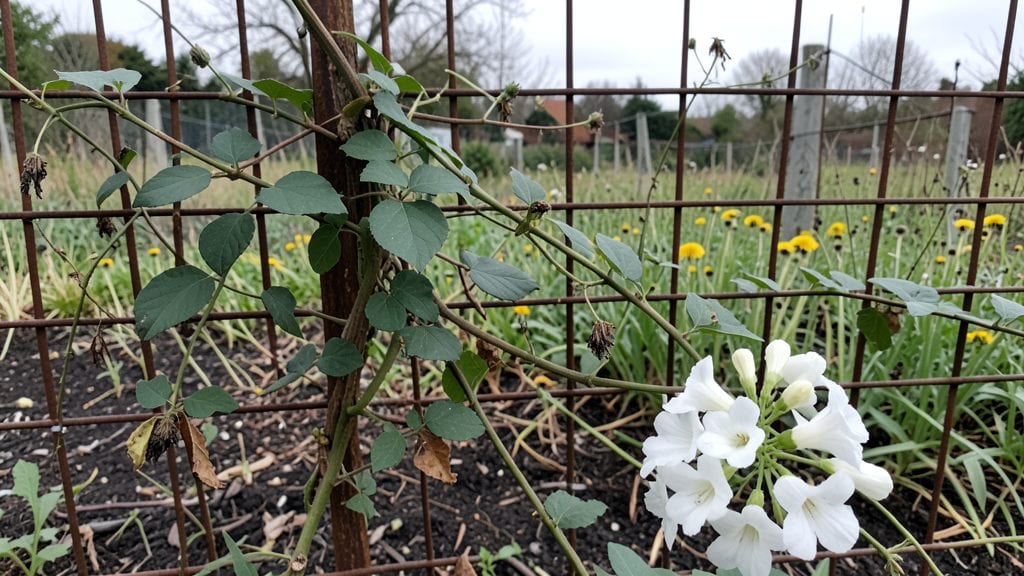
Growing a jasmine flower perennial that blooms every year without replanting is easier than you think—even in cooler climates.
Imagine waking up to a garden filled with fragrant jasmine blooms 🌸 that return year after year without replanting—this isn’t just a dream for cold-climate gardeners. Cold-hardy varieties like Jasminum nudiflorum thrive in USDA Zone 6a and beyond, spreading naturally to create a lush, aromatic landscape that needs minimal effort.
Most gardeners assume jasmine needs a warm, tropical climate, but the right perennial varieties can handle spring frosts and still deliver those signature sweet-scented flowers.
With the right planting timing—April to May—and a few simple care tricks, you’ll have a vine that climbs, blooms, and spreads effortlessly, turning your garden into a fragrant paradise.
In this guide, I’ll walk you through selecting the hardiest types, planting them for maximum spread, and keeping them healthy through seasons—so you can enjoy that intoxicating jasmine scent for years to come.
Top 5 cold-hardy jasmine perennials that survive winter and spread easily
If you love the intoxicating scent of jasmine but live in a cooler climate, don’t worry—there are cold-hardy perennial varieties that thrive in winter and spread effortlessly. These jasmine perennials not only survive frost but also reward you with fragrant blooms year after year.
Whether you're in USDA zones 4-8, these varieties will transform your garden into a fragrant paradise with minimal effort.
One of the biggest advantages of these winter-hardy jasmine plants is their natural spreading habit. Unlike annuals, these perennials establish deep roots and expand over time, creating a lush, aromatic ground cover or climbing display.
Their low-maintenance nature makes them perfect for busy gardeners who still want a fragrant, beautiful landscape.
Below is a detailed comparison of the top 5 cold-hardy jasmine perennials, including their USDA hardiness zones, bloom seasons, and growth habits. Each variety offers unique benefits, whether you're looking for early spring blooms, winter interest, or a fast-spreading ground cover.
I’ve included a comparison table to help you quickly identify the best fit for your garden’s conditions and your personal preferences. From the vibrant winter blooms of Jasminum nudiflorum to the classic fragrance of Jasminum officinale, there’s a perfect option for every cold-climate garden.
The Jasminum nudiflorum, also known as winter jasmine, is one of the most cold-hardy options on this list. It thrives in USDA zones 4-8 and blooms in late winter or early spring, providing a splash of color when most gardens are still dormant.
Its bright yellow flowers may not be as fragrant as other jasmines, but they offer early seasonal interest and are perfect for adding winter cheer to your landscape.
If you're looking for a classic jasmine fragrance, the Jasminum officinale 'Akebono' is an excellent choice. This variety is a dwarf form of the traditional jasmine and produces highly aromatic white flowers from late spring to summer.
It’s ideal for smaller gardens or containers and spreads steadily, making it a low-maintenance option for fragrance lovers.
For those in slightly warmer zones (USDA zones 7-9), Jasminum polyanthum is a fast-growing climber that produces clusters of fragrant flowers in spring and early summer. It’s perfect for trellises or arbors and spreads quickly, creating a lush, green canopy.
Its intoxicating scent makes it a favorite for gardeners who want to fill their outdoor spaces with natural perfume.
If you prefer a summer-to-fall bloomer, Jasminum mesnyi is a fantastic option. Also known as primrose jasmine, it produces rich, honey-scented flowers that bloom from mid-summer through fall.
This variety is thornless, making it easier to handle, and it spreads steadily, making it ideal for covering fences or pergolas.
How to plant and prune cold-hardy jasmine for maximum spread and blooms
Cold-hardy jasmine perennials like Jasminum nudiflorum and Jasminum officinale thrive in zones 4-8, spreading naturally while filling your garden with fragrance. The key to their success lies in proper planting and seasonal pruning—both of which encourage vigorous growth and abundant blooms.
Unlike tropical varieties, these hardy types tolerate winter chill, but they still need the right conditions to establish strong roots and sprawling vines.
Before planting, choose a location with morning sun and afternoon shade—this mimics their natural habitat and prevents leaf scorch. Well-draining loamy soil enriched with compost is ideal, as jasmine hates soggy roots. If your soil is heavy clay, amend it with sand or perlite to improve aeration.
Planting in spring after the last frost gives roots time to establish before winter, while fall planting in zone 7+ can also work if you mulch heavily.
-
Step 1: Choose the Right Spot
- Select a location with 4-6 hours of morning sun and dappled afternoon shade.
- Ensure soil is well-draining—jasmine roots rot in waterlogged conditions.
-
Step 2: Prepare the Soil
- Mix 2 inches of compost into the top 12 inches of soil.
- For clay soil, add 1 part sand or perlite to 3 parts soil.
-
Step 3: Plant at the Correct Depth
- Dig a hole twice as wide as the root ball but no deeper.
- Place the plant so the top of the root ball sits 1 inch below soil level.
-
Step 4: Space for Natural Spread
- Plant 3-5 feet apart for a dense hedge or 6-8 feet apart for a sprawling vine.
- Use a trellis or arbor if training vertically—attach vines with soft ties.
-
Step 5: Water Deeply After Planting
- Give 1 gallon of water per plant to settle soil.
- Keep soil moist but not soggy for the first 4-6 weeks.
-
Step 6: Prune for Vigorous Growth
- In early spring, cut back dead or weak stems to 1/3 of their length.
- After flowering (late summer), trim overgrown vines to encourage next year’s blooms.
-
Step 7: Winterize for Cold Climates
- In zones 4-5, mulch with 4-6 inches of straw after first frost.
- Wrap young plants with burlap if temps drop below 10°F.
Pruning is where you’ll see the biggest difference in spread and blooms. Always prune after flowering to avoid cutting off next year’s buds. For Jasminum nudiflorum, which blooms on old wood, prune lightly in spring—never cut back into last year’s growth.
Meanwhile, Jasminum officinale produces flowers on new wood, so a harder prune in late winter or early spring will stimulate lush, fragrant growth. Use clean, sharp shears to make cuts at a 45-degree angle, just above a leaf node.
To maximize fragrance, avoid heavy fertilization—jasmine thrives in moderate soil fertility. Over-fertilizing leads to leafy growth at the expense of flowers. Instead, top-dress with compost annually and water deeply once a week during dry spells.
Mulch with wood chips to retain moisture and suppress weeds, which can compete with jasmine’s shallow roots. In containers, use a fast-draining mix and repot every 2-3 years to refresh nutrients.
With the right care, your cold-hardy jasmine will spread 3-5 feet per year, creating a fragrant living fence or climbing masterpiece. The key is patience and consistency—these vines reward gardeners who give them time to establish.
By following these steps, you’ll enjoy year-round greenery and summer-long blooms that fill your garden with intoxicating aroma. 🌸