
Flowers
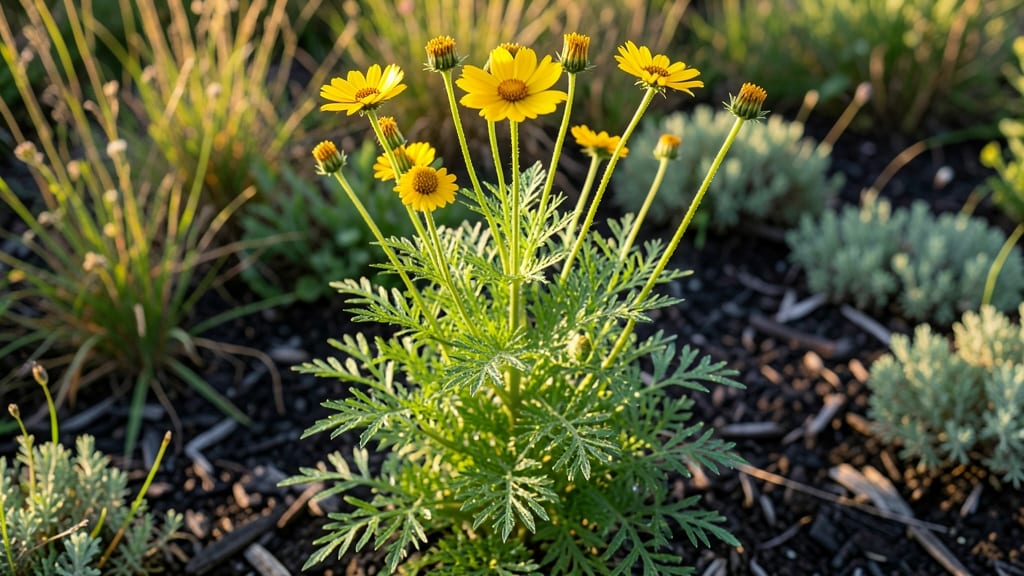
Small yellow perennial flowers such as coreopsis, black-eyed Susans, and daylilies thrive in both sunlit and shaded garden spaces with remarkably little upkeep, delivering continuous bursts of bright color throughout the growing season. Opt for drought-resistant varieties to simplify maintenance while ensuring vibrant blooms from spring through fall.
These cheerful bloomers earn their reputation for durability thanks to their deep root systems that access moisture efficiently, making them perfect for forgetful gardeners. 🌻 Many varieties also boast natural resistance to common pests and diseases, so you won't need frequent chemical interventions.
The key to their longevity lies in selecting native species adapted to your local climate—this ensures they'll flourish with minimal soil amendments or special treatments.
What sets these perennials apart is their ability to bounce back year after year without replanting. Unlike annuals that require seasonal replacement, these hardy plants establish strong root networks that store nutrients, allowing them to regenerate even after harsh winters.
This built-in resilience means you'll enjoy their sunny hues with almost no extra effort beyond occasional deadheading to encourage more blooms.
💡 In This Article
- Why These Yellow Perennials Survive Year After Year
- Best Low-Maintenance Yellow Perennials for Sun vs. Shade Gardens
Why these yellow perennials survive year after year
These cheerful yellow perennials owe their longevity to deep taproot systems that can reach 3-5 feet underground, accessing water and nutrients even during drought. Unlike shallow-rooted annuals that rely on frequent watering, these roots store reserves that help plants rebound after dry spells or cold snaps.
For example, black-eyed Susans (Rudbeckia hirta) develop roots that penetrate 2-3 feet, making them drought-tolerant once established—something annual marigolds simply can't match. 🌱
Their survival also stems from natural disease resistance built through evolution. Many native varieties, like coreopsis (Coreopsis verticillata), have developed chemical defenses against common fungal pathogens that plague annuals. Studies show these perennials contain higher levels of phenolic compounds—natural antibiotics that deter pests while requiring zero chemical intervention.
This is why you'll rarely see powdery mildew or aphid infestations on healthy specimens, unlike their annual counterparts.
Adaptability to soil pH and composition sets them apart too. While annuals often demand perfect growing conditions, yellow perennials like daylilies (Hemerocallis) thrive in pH ranges from 5.5 to 7.5 and tolerate everything from sandy loam to clay-heavy soils.
Their ability to adjust makes them ideal for problem areas where annuals would fail. The trade-off? They may take 1-2 years to fully establish their root systems, but this initial investment pays off with decades of blooms. 💛
Seasonal timing plays a crucial role in their resilience. Many yellow perennials, such as goldenrod (Solidago spp.), bloom late in the season when annuals have already peaked. This timing allows them to take advantage of warmer fall temperatures while avoiding the stress of summer heatwaves.
Their ability to go dormant during winter months—while storing energy in their roots—explains why they return year after year without replanting, unlike annuals that must be resown annually.
Consider the comparison to annuals: While annuals like zinnias provide bold color for one season, perennials like shasta daisies (Leucanthemum × superbum) deliver 5-10 years of blooms with proper care.
The energy annuals expend on rapid growth goes toward seed production, whereas perennials invest in root development that supports long-term survival. This fundamental difference in growth strategy is why these yellow perennials remain the gold standard for low-maintenance gardens. ✨
What most gardeners don't realize is how pruning habits contribute to their longevity. Regular deadheading (removing spent blooms) encourages new flower production while preventing seed development that would sap the plant's energy.
For instance, coreopsis responds beautifully to light pruning after flowering, which redirects nutrients back to the roots for next year's growth. This simple maintenance step turns a one-time bloom into a multi-season spectacle.