
Flowers
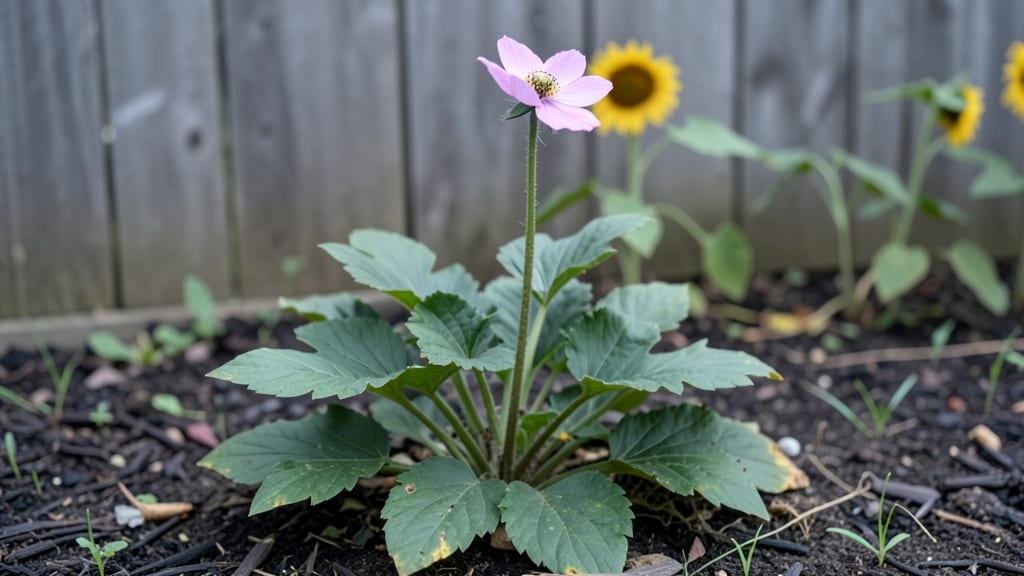
Growing Japanese anemone perennials 🌸 is the easiest way to keep your garden vibrant long after other flowers have faded.
If your garden fades into dullness as summer winds down, Japanese anemones are the secret weapon to extend your seasonal color show—thriving in shade and blooming when most perennials call it quits.
These low-maintenance beauties thrive in USDA Zone 6a and beyond, offering delicate blooms from early spring through fall with minimal fuss. Whether you’re a seasoned gardener or just starting out, their adaptability makes them a game-changer for shade gardens.
Below, I’ll walk you through everything you need to know—from planting tips to best varieties and care tricks—to turn your garden into a late-season showstopper.
Top 7 Japanese anemone varieties for stunning late-season color
Japanese anemones are the unsung heroes of late-season gardens, offering elegant blooms when most perennials have bowed out. Their delicate petals and dramatic height make them perfect for adding structure and color to shady corners.
Whether you're designing a woodland garden or brightening up a low-light patio, these 7 standout varieties will keep your garden vibrant from late summer to frost.
Each variety brings something unique to the table—from compact growth for small spaces to double blooms for extra drama. I’ve selected these based on bloom time, shade tolerance, and garden versatility to help you choose the perfect fit for your landscape.
Below, you’ll find a detailed comparison to make your selection easy.
🌿
If you’re working with a small garden, 'Pamela' or 'September Charm' are excellent choices due to their compact height and prolonged blooming. For a dramatic focal point, 'Honorine Jobert' or 'Queen Charlotte' will add height and elegance to your landscape.
For those who love deep colors, 'Prinz Heinrich' offers rich purple blooms that stand out against green foliage. If you prefer double blooms for extra texture, 'Hadspen Abundance' or 'Whirlwind' will give you that lush, full look.
One of my personal favorites is 'Queen Charlotte'—its pure white blooms create a striking contrast against darker foliage and add a touch of sophistication to any garden. I’ve seen it used beautifully in woodland gardens alongside hostas and ferns.
When selecting varieties, consider your garden’s light conditions. Most Japanese anemones thrive in partial shade, but some like 'Prinz Heinrich' can handle full shade, making them ideal for north-facing gardens or deeply shaded areas.
For late-season color, 'September Charm' and 'Hadspen Abundance' are top performers, often blooming well into October or November in mild climates. Their long-lasting flowers ensure your garden stays vibrant well into fall.
🌷
How to grow and care for Japanese anemones in shade gardens
Japanese anemones are my go-to for adding late-season drama to shady spots where other plants struggle. These perennial powerhouses thrive in partial to full shade, making them perfect for under trees or along north-facing walls.
With the right care, they’ll reward you with delicate blooms from summer through fall—when most gardens are winding down.
Unlike sun-loving perennials, Japanese anemones prioritize cool roots over direct sunlight. This means they’re ideal for woodland gardens, foundation plantings, or even container gardens on shaded patios. The key to their success lies in moist, well-draining soil and consistent moisture—but don’t worry, they’re forgiving once established.
Japanese anemones hate soggy roots. While they love moisture, waterlogged soil leads to root rot and fungal diseases. Amend heavy clay with compost or perlite to improve drainage. If your garden stays damp, plant on a slight mound to encourage runoff.
Start by planting rhizomes 1-2 inches deep in early spring or fall. Space them 12-18 inches apart to allow room for their lush foliage and tall stems.
A 2-inch layer of mulch will help retain moisture and suppress weeds—just keep it 2 inches away from the crown to prevent rot.
Watering is simple: deep soaks once a week (more in hot, dry spells). Avoid overhead watering in late afternoon to prevent fungal issues. Once established, they’re drought-tolerant, but blooms will be more abundant with consistent moisture.
Fertilize lightly in spring and fall with a balanced 5-10-10 formula to encourage strong growth.
In winter, Japanese anemones enter dormancy but need protection in colder zones. Apply a 3-inch layer of mulch after the first frost to insulate roots.
In Zone 6a or colder, a lightweight row cover can prevent freeze damage. Prune back dead foliage in early spring before new growth emerges.
With these care tips, your Japanese anemones will thrive for years, turning your shady corners into late-season spectacle spots. Their elegant blooms pair beautifully with hostas, ferns, and asters, creating a textured, layered look that keeps your garden buzzing until frost 🌿.