
Plants
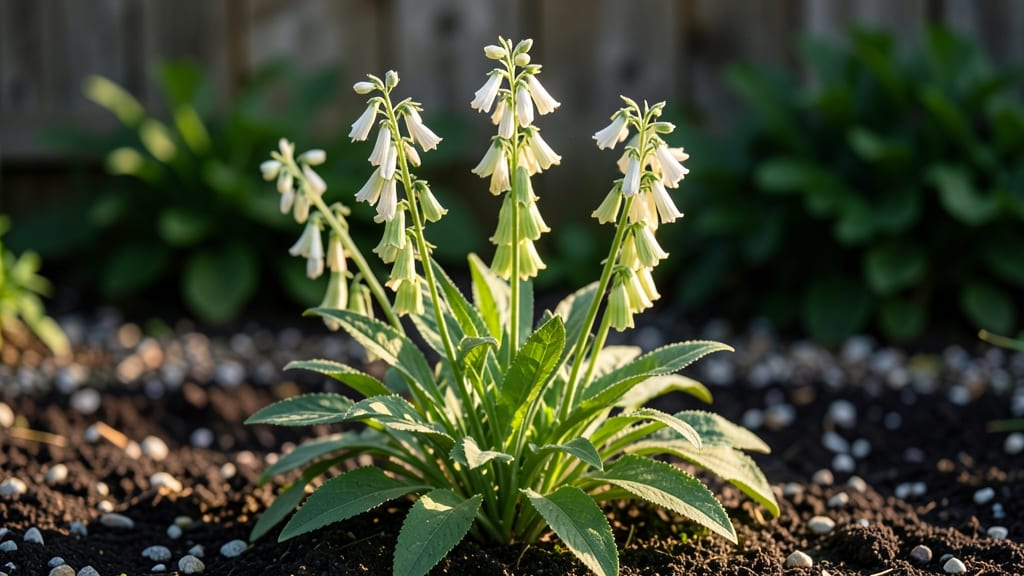
Bells of Ireland are not true perennials—they die back annually but regrow from seed each spring, making them a self-seeding annual with perennial-like persistence in ideal conditions. Their hardy nature ensures they return yearly without replanting.
While they may seem like perennials because they return each year, Bells of Ireland (Molucella laevis) are technically self-seeding annuals. 🌱 Their unique lifecycle involves dying back to the ground in winter but producing thousands of tiny seeds that sprout naturally in spring.
This behavior gives them the appearance of perennial growth without the true underground persistence of plants like hostas or daylilies.
What makes them special is their ability to thrive in poor soil and hot climates—ideal for gardeners who want low-maintenance, drought-tolerant plants. Their papery seed pods add visual interest long after flowering, making them a favorite for cut arrangements and cottage-style gardens.
💡 In This Article
- Why Bells of Ireland Die Back but Return Yearly
- Tips to Encourage Bells of Ireland’s Annual Regrowth
Why Bells of Ireland die back but return yearly
The secret behind Bells of Ireland's annual dieback lies in their unique botanical structure. Unlike true perennials that store energy in thick rhizomes or tubers, these plants rely on a fibrous root system that survives winter but doesn't persist underground like hardy perennials.
Their above-ground stems die completely when frost hits, but the roots remain dormant just below the soil surface, ready to regenerate when temperatures rise in spring.
What makes them function like perennials is their prolific seed production. Each plant can generate thousands of tiny seeds in those iconic papery seed pods, which scatter naturally when mature. These seeds remain viable in the soil for 2-3 years, creating a self-sustaining population.
The key difference from true perennials is that Bells of Ireland don't regrow from the same root system—they're essentially annuals that rely on seed germination for their "perennial" appearance.
The classification as "tender perennials" comes from their ability to return for multiple years in ideal conditions, though technically they're self-seeding annuals. Their hardiness in zones 3-11 means they'll survive winter in most climates, but the regrowth comes from new seedlings rather than persistent roots.
This makes them perfect for gardeners who want perennial-like behavior without the maintenance of true perennials.
What most gardeners don't realize is how their seed dispersal strategy works. The papery seed pods open when dry, releasing seeds that can travel up to 3 feet from the parent plant.
This natural scattering creates dense colonies over time, giving the illusion of perennial growth. The trade-off is that you lose control over where new plants appear—unlike true perennials that stay in place.
Interestingly, their dormancy period is what makes them so resilient. During winter, the fibrous roots enter a state of dormancy where metabolic activity slows dramatically, allowing them to survive frost down to -20°F when properly mulched.
This cold tolerance is why they thrive in both northern and southern climates, making them one of the most adaptable self-seeding plants for gardeners.
Their lifecycle also explains why they're so popular in cut flower arrangements. The seed pods remain attractive long after flowering, providing visual interest throughout late summer and fall.
This extended display period is a direct result of their annual growth pattern—each new generation produces fresh seed pods that maintain the plant's ornamental value year after year.