
Flowers
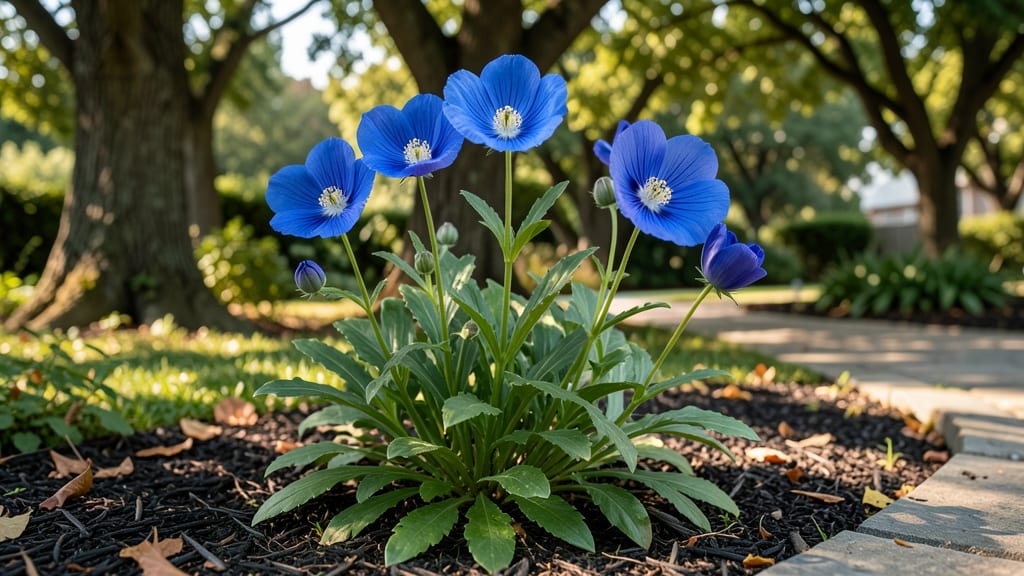
Balloon flowers (Platycodon grandiflorus) are indeed perennials that retreat underground each winter, only to burst back to life in spring with vibrant blooms year after year when grown in suitable conditions.
These hardy plants store energy in their robust root systems during dormancy, allowing them to survive freezing temperatures down to -30°F in zones 3-9. 🌱 The key to their longevity lies in this natural cycle—what appears to be "dying back" is actually a survival strategy that pays off with stunning summer displays.
Unlike annuals that complete their life cycle in one season, balloon flowers build resilience over time, rewarding gardeners with decades of blooms when given proper winter protection and well-draining soil.
What sets them apart is their ability to self-regenerate from even small root fragments left in the ground. This makes them particularly forgiving for gardeners who might accidentally cut back too aggressively in late season.
The trade-off? Their dormancy period means no foliage or blooms during winter months, but this underground activity is what fuels their spectacular spring rebirth.
💡 In This Article
- How Balloon Flower Perennials Survive Winter Dieback
- Tips for Extending Balloon Flower Longevity in Gardens
How balloon flower perennials survive winter dieback
Balloon flowers enter dormancy through a carefully regulated biological process called vernalization, where they detect shortening daylight and cooling temperatures as signals to conserve energy. Their thick, fleshy roots (often 1-2 inches in diameter) act as natural storage organs, storing carbohydrates like starch and sugars that fuel regrowth.
This underground system can survive -30°F temperatures by producing antifreeze proteins that prevent ice crystal formation in their cells—similar to how winter wheat protects itself from frost.
The above-ground stems and leaves yellow and collapse in fall, but the roots remain active until frozen solid. Some cultivars, like the 'Hidcote Blue' variety, develop even deeper root systems than standard types, giving them extra cold resistance.
What's fascinating is how these roots can remain viable for years—even after being buried under 4-6 inches of soil or mulch during winter. This explains why you might find new shoots emerging from unexpected garden spots the following spring!
During dormancy, balloon flower roots undergo a metabolic slowdown that reduces water loss by 70-80% compared to growing season rates. Their root hairs shrink and become less permeable, creating a protective barrier against freezing soil moisture.
This adaptation is crucial because wet, frozen soil can actually conduct cold more efficiently than dry soil, potentially damaging roots.
The plant's ability to regulate this process is what allows it to thrive across such a wide range of climates from USDA zone 3 (where winters dip below -40°F) to zone 9 (milder winters).
What most gardeners don't realize is that the timing of dieback matters significantly. If you cut back balloon flowers too early (before the first hard frost), you remove the plant's natural insulation layer of dead foliage.
This exposed stem tissue can then act as a wick, drawing moisture from the roots and potentially causing freeze damage. The ideal approach is to wait until the stems are completely brown and crispy before removing them—this usually happens by late fall in most climates.
Another survival secret lies in their seed production strategy. While balloon flowers primarily regenerate from roots, they also produce seeds that can remain dormant in the soil for 2-3 years before germinating. This dual regeneration method ensures the species persists even if all above-ground plants are lost to winter damage.
The seed's hard outer coating protects the embryo from freezing temperatures, while the root system handles the bulk of winter survival.
The regrowth process begins when soil temperatures rise above 40°F in spring. At this point, the roots rapidly convert stored starches into sugars through a process called glycolysis, which provides the energy needed for new shoot formation.
You'll often see the first signs of life as small, purplish buds pushing through the soil—these contain all the genetic information needed to produce a full plant within just 4-6 weeks.
This rapid growth is one reason balloon flowers are such popular perennials—they bounce back with minimal effort from gardeners.
The entire cycle—from dormancy to regrowth—demonstrates nature's efficiency in resource management. Balloon flowers don't waste energy maintaining above-ground growth during winter; instead, they focus all their resources on building a resilient root system that can support years of flowering.
This underground activity is why these plants can live for decades with proper care, making them one of the most reliable choices for low-maintenance perennial gardens. 🌱