
Flowers
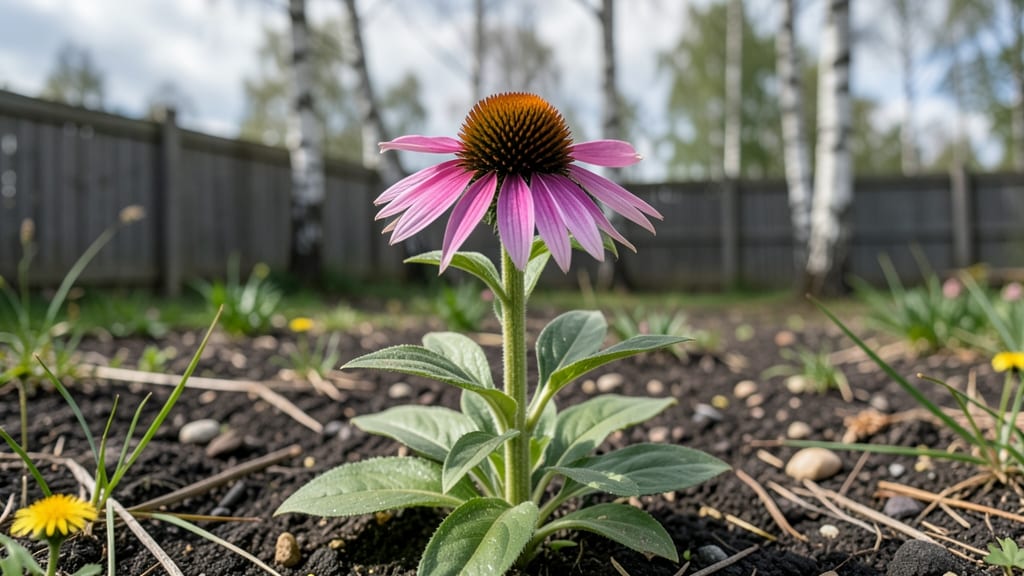
Perennials aren't every year like annuals—they return year after year from roots or underground storage, often regrowing after cold winters or dormancy. Their survival depends on hardiness for your specific climate zone.
Perennials aren't annuals—they're built to last through multiple seasons, relying on specialized root systems or underground structures to store energy. 🌱 When cold weather arrives, many perennials enter dormancy, a natural survival mechanism where growth slows dramatically.
This isn't death—it's a strategic pause that allows them to rebound when conditions improve. The key difference is their ability to regenerate from these storage systems, which is why you'll see familiar blooms returning each spring, provided they're planted in suitable hardiness zones.
For example, coneflowers and hostas are classic perennials that thrive in colder climates, while tropical varieties may need winter protection. The cold actually helps reset their growth cycles, making them more resilient than annuals that complete their entire life cycle in one season.
💡 In This Article
- How Perennials Survive Cold Climates Through Dormancy
- Choosing Perennials That Thrive in Your Climate Zone
How perennials survive cold climates through dormancy
Perennials have evolved a clever survival strategy called dormancy, where their growth slows dramatically during cold months. This isn't hibernation—it's a metabolic shift where plants redirect energy from above-ground growth to their root systems or underground storage organs like bulbs and tubers.
For example, peonies store nutrients in thick roots that can withstand -20°F temperatures, while daylilies use rhizomes packed with starch reserves. The cold actually triggers this process by slowing cellular activity and preventing frost damage.
The magic happens at the cellular level. Cold temperatures cause plants to produce antifreeze proteins that prevent ice crystals from forming in their tissues. These proteins, discovered in the 1960s, work by binding to ice nuclei and stopping their growth—similar to how antifreeze works in car engines.
Meanwhile, specialized cells called parenchyma in roots and tubers store starches and sugars that fuel regrowth when temperatures rise. This biological adaptation explains why perennials can survive winters that would kill annuals outright.
Seasonal temperature shifts act like a natural clock. As days shorten in fall, plants detect the cooler air and reduced sunlight through photoperiodism, a process where hormone levels change to signal dormancy.
The cold then reinforces this state, while spring's warming temperatures trigger the production of gibberellins—hormones that break dormancy and stimulate new growth. This two-step process ensures perennials don't wake up too early when late frosts could still damage tender shoots.
Hardiness zones play a critical role in this survival mechanism. The USDA divides zones based on average annual minimum temperatures, with Zone 3 (-40°F) being the coldest and Zone 12 (50°F) the warmest.
A perennial rated for Zone 5, like Russian sage, can handle -20°F winters, while Zone 9 varieties like bougainvillea need protection below 20°F. The key is matching plants to zones where their dormancy mechanisms align with local winter severity.
What makes perennials unique is their ability to regenerate from just a small portion of their root system. Even if 90% of a black-eyed Susan plant dies back in winter, the remaining roots contain enough stored energy to produce a full plant the following spring.
This resilience contrasts with annuals, which complete their entire life cycle in one season and must be replanted each year. The trade-off? Perennials often take 2-3 years to reach full maturity compared to annuals that bloom in 6-8 weeks.
Consider the example of hostas, which thrive in Zones 3-9. Their broad leaves die back in winter, but the thick, fleshy roots remain alive underground. When spring arrives, these roots send up new shoots that emerge 2-4 weeks before annuals would even germinate.
The cold winter actually improves their flavor and texture by breaking down tough starches into sweeter carbohydrates—a process called vernalization that many gardeners appreciate in their harvests.
This biological dance between dormancy and regrowth explains why perennials can outlast annuals in challenging climates. Their ability to pause and reset each year makes them the ultimate survivors in gardens worldwide. 🌿