
Plants
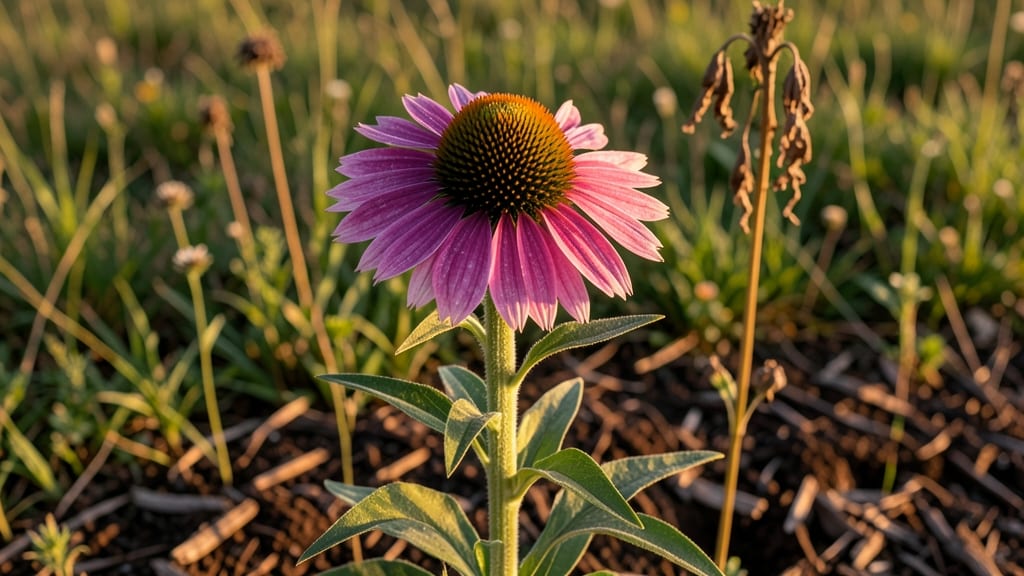
When you plant perennials, it does perennial mean it comes back every year—but they often go dormant, look dead, or retreat underground during winter months. This natural process, called dieback, means their roots stay alive while the foliage rests until spring. Some perennials need winter protection to survive harsh freezes and regrow successfully.
This annual return is what makes perennials so popular among gardeners—they save time and money by not needing replanting each year. 🌱 The key difference from annuals is that perennials store energy in their root systems, allowing them to regenerate above ground when conditions improve.
However, not all perennials are equal: hardy varieties like coneflowers or hostas often bounce back effortlessly, while tender perennials such as cannas may need mulch or frost blankets in colder climates.
What many gardeners overlook is that dieback isn't a sign of failure—it's a survival strategy. The roots remain active underground, storing nutrients until warmth triggers new growth. For example, peonies might look completely dead in winter but will burst back to life with dramatic blooms come spring.
Understanding this cycle helps you choose the right plants for your climate zone and avoid unnecessary worry when your garden looks bare in winter.
💡 In This Article
- How Perennial Plants Survive Through Winter Dieback
- Choosing Perennials That Thrive in Your Climate
How perennial plants survive through winter dieback
Perennial plants employ a clever survival strategy called dormancy, where they temporarily shut down growth during harsh conditions. This process isn't just about looking dead—it's a biological adaptation where the plant redirects energy from leaves and stems to its root system.
The roots remain metabolically active, storing carbohydrates like starch and sugars that fuel regrowth when temperatures rise.
For example, a hardy perennial like black-eyed Susan might lose all its foliage in winter, but its roots stay alive at 32°F or above, ready to push new shoots when soil warms to 50°F in spring.
The extent of dieback varies by species and climate. Some perennials, like hostas, retreat to just their crowns (the base where leaves meet roots), while others, such as peony, may die back to the ground entirely.
This difference is tied to their cold hardiness zones—plants rated for Zone 5 (down to -20°F) can handle severe winters, while Zone 9 perennials (like tender cannas) need protection below 20°F.
The roots act as a biological battery, storing enough energy to regenerate even after months of dormancy.
What often surprises gardeners is how roots maintain cellular activity during dormancy. Studies show that root tips can remain active at temperatures as low as 35°F, continuing to absorb moisture and nutrients from the soil.
This is why mulching (adding 3-4 inches of organic matter like straw or leaves) helps—it insulates roots from extreme temperature swings. Without this protection, tender perennials in colder zones may suffer frost damage that prevents regrowth, even if their roots technically survive.
Not all perennials follow the same pattern. Some, like asparagus, produce new shoots from underground rhizomes, while others, such as daylilies, regenerate from fleshy roots called corms. The key is understanding your plant's specific dieback behavior.
For instance, heuchera (coral bells) often looks crispy by winter but regrows from its crown, whereas salvia may die back to the ground but resprouts vigorously in spring. This variation explains why some perennials seem to "come back" more reliably than others.
Here's what's happening at the cellular level: Dormancy triggers the production of antifreeze proteins in plant tissues, which prevent ice crystals from forming and damaging cells. These proteins, along with increased levels of sugars like sucrose, act as natural cryoprotectants.
For example, Christmas rose (Helleborus) thrives in Zone 3 (-40°F) because its tissues are packed with these protective compounds. Without them, even hardy perennials would suffer irreversible damage during freeze-thaw cycles.
One common misconception is that dieback means the plant is dead. In reality, it's a temporary state—like a bear hibernating to survive winter. The roots remain alive, often continuing slow respiration and even absorbing water when soil isn't frozen.
This is why you might see new growth in late winter or early spring, even before the last frost. For example, bleeding heart plants often send up shoots in March or April, weeks before their leaves fully unfurl.
Recognizing these signs helps you distinguish between normal dormancy and actual plant death.
The bottom line? Perennials don't just "come back" by magic—they've evolved to store and efficiently use energy during dormancy. Understanding this process helps you choose the right plants for your climate and provides the care they need to thrive year after year. 🌱