
Flowers
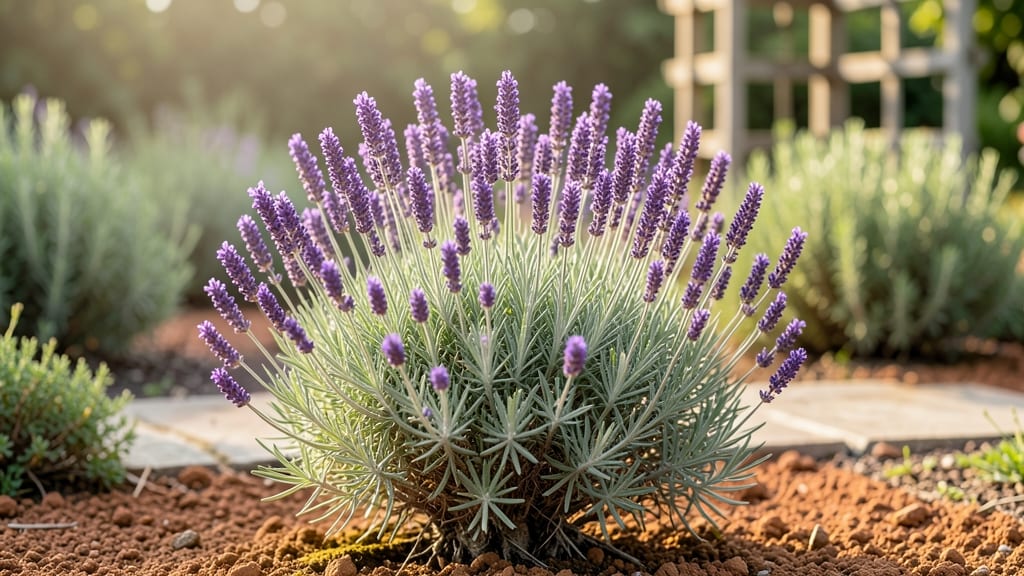
Munstead lavender is indeed a perennial, thriving for multiple years in UK gardens with proper care. Hardy to USDA Zone 5, it blooms annually in summer, producing fragrant purple spikes that return each season if pruned correctly after flowering.
This popular lavender variety stands out because it's specifically bred to endure UK winters, unlike many Mediterranean lavenders that die back in colder climates. 🌿 The deep root system allows it to access moisture even when surface soil freezes, while its woody stems protect against frost damage.
What many gardeners don't realize is that Munstead lavender actually becomes more robust each year, with stronger stems and denser foliage when given consistent care after its first blooming season.
The key to maintaining its perennial nature lies in proper summer pruning—cutting back by about one-third after flowering encourages new growth while preventing the plant from becoming woody and less productive.
Unlike annual lavenders that need replanting each year, Munstead lavender develops a stronger root network annually, making it more resilient against pests and drought conditions over time.
💡 In This Article
- Munstead Lavender’s Cold Resistance and Longevity
- Pruning and Care for Year-Round Munstead Lavender Growth
Munstead lavender’s cold resistance and longevity
Munstead lavender's perennial nature stems from its remarkable cold hardiness, developed through selective breeding specifically for UK climates. Unlike its Mediterranean cousins, this variety thrives in USDA Zone 5 (-20°F to -15°F), thanks to its deep, fibrous root system that extends 3-4 feet below ground.
These roots act like a natural insulation system, protecting the plant's crown from freeze-thaw cycles that would damage shallower-rooted varieties. 🌱 The woody stems also contain vascular tissues that can withstand 15-20°F temperatures without irreversible damage, a trait absent in tender annual lavenders.
The plant's dormancy mechanics are equally impressive. During winter, Munstead lavender enters a semi-dormant state where growth slows dramatically but doesn't stop completely. This allows it to store energy in its extensive root system while maintaining just enough metabolic activity to survive.
What's fascinating is how this dormancy differs from true winter die-back: while many perennials lose their above-ground foliage, Munstead lavender often retains some green growth through winter, especially in milder UK winters.
This persistent foliage can actually photosynthesize when temperatures rise above 40°F, giving it a head start in spring.
Comparing Munstead to annual lavenders reveals why it's such a game-changer for UK gardeners. Annual varieties like English lavender (Lavandula angustifolia) may look similar but typically survive only 1-2 years in colder regions due to their shallow roots and less robust stems.
Munstead lavender, however, develops a woody base over time that becomes increasingly resistant to frost damage. The first-year plants might show some winter die-back, but by their third year, they typically develop the resilience to withstand -10°F temperatures with minimal protection.
Seasonal growth patterns further explain its perennial success. Munstead lavender follows a biennial flowering cycle where it produces its most abundant blooms in its second summer, then maintains consistent flowering for 5-10 years with proper care. This contrasts sharply with annual lavenders that must be replanted yearly.
The plant's ability to regenerate from its root crown each spring—even after severe winter damage—demonstrates its true perennial nature. This regeneration capability comes from specialized meristematic tissues located just below the soil surface that can produce new shoots when conditions improve.
What sets Munstead apart scientifically is its adaptive plasticity—the ability to modify its growth patterns based on environmental conditions. In cooler UK summers, it grows more slowly but develops denser foliage, while in warmer microclimates, it may produce more vigorous growth.
This flexibility allows it to thrive across different UK regions, from coastal areas with mild winters to inland zones with harsher conditions. The plant's natural fragrance compounds (linalool and linalyl acetate) actually increase in concentration during cooler growing seasons, making winter-pruned plants particularly aromatic the following summer. 🌿
For gardeners considering Munstead lavender, understanding these mechanisms means you can push its hardiness even further. Planting in well-drained soil with full sun exposure (6+ hours daily) maximizes its natural cold resistance by preventing waterlogged roots.
Adding a 3-inch layer of mulch in late autumn helps insulate the crown, while avoiding heavy pruning in autumn preserves the plant's energy reserves for winter survival. These care practices don't just maintain its perennial nature—they actually enhance it year after year.