
Planting
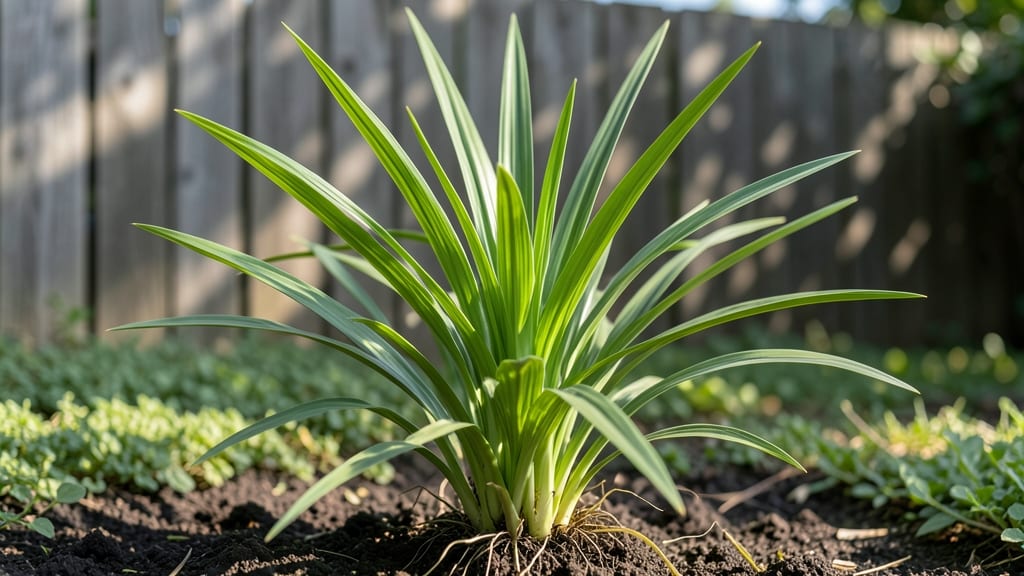
Lemongrass isn't a true perennial in Zone 6, though it can regrow from its roots if you protect it during winter or bring it indoors. Cold-hardy varieties might survive mild winters with mulch, but frost usually kills it back to the soil line.
Lemongrass originates from tropical regions, so its tender rhizomes can't survive Zone 6's freezing temperatures. 🌱 Unlike hardy perennials like asparagus, which regrow from deep roots, lemongrass needs protection when temperatures drop below 20°F.
Many gardeners treat it as an annual unless they take steps to overwinter it—like digging up clumps before frost or providing heavy mulch. The key is acting before the first hard freeze, since even light frost can damage the plant's growth points.
For those who want to keep their lemongrass growing year-round, indoor overwintering works well. Simply pot the plant before frost, place it in a sunny window, and maintain 60-70% humidity to mimic its tropical habitat.
Some gardeners even try cold frames or row covers outdoors, though these methods require careful monitoring. The good news? Even if the above-ground parts die back, the roots often survive to regrow in spring with proper care.
💡 In This Article
- Why Lemongrass Dies in Zone 6 Winters
- How to Overwinter Lemongrass in Cold Climates
Why lemongrass dies in Zone 6 winters
Lemongrass (Cymbopogon citratus) hails from tropical Southeast Asia, where temperatures rarely dip below 60°F year-round. Its thick, fibrous rhizomes store energy but lack the cold tolerance of true Zone 6 perennials like mint or asparagus.
When temperatures fall below 20°F, the plant's growth points freeze, causing the above-ground stems to turn black and crispy—a process called cold-induced necrosis. Unlike hardy perennials that regrow from deep roots, lemongrass' rhizomes can survive only if protected from prolonged exposure to 15°F or lower. 🌡️
The real damage occurs when frost penetrates the soil. While some subtropical plants like rosemary can survive light freezes, lemongrass' rhizomes are more delicate. A single hard frost (28°F or colder) can kill the plant back to the soil line, leaving only dormant roots.
This is why gardeners in Zone 6 often treat it as an annual unless they take proactive steps. The plant's natural habitat lacks seasonal temperature swings, so its biological clock isn't programmed to handle winter dormancy like temperate perennials.
Comparing lemongrass to other subtropical herbs reveals its vulnerability. For example, Thai basil (Ocimum basilicum) can sometimes survive Zone 6 winters with heavy mulch, while lemongrass rarely makes it through without protection.
The key difference lies in their root systems: basil has a more robust taproot system, while lemongrass relies on shallow, fibrous rhizomes that freeze more easily. Even a 3-inch snow cover provides only minimal insulation against prolonged cold snaps.
What most gardeners don't realize is how quickly frost damage occurs. Within 24-48 hours of temperatures dropping to 25°F, lemongrass' cell membranes rupture, preventing water uptake. This is why waiting for "official" frost dates can be too late—the damage happens silently below the soil surface.
The plant's tropical origins mean it lacks the antifreeze proteins found in cold-hardy plants like winter wheat or ryegrass. 🌱
Interestingly, lemongrass' relatives in the grass family (like bamboo) handle cold better due to their thicker rhizomes. But lemongrass' slender, segmented roots make it more susceptible to freeze-thaw cycles. Even with mulch, temperatures at the soil line can drop 5-10°F colder than air temperatures, creating a microclimate that's often lethal.
This is why successful overwintering requires either complete removal from the ground or creating an artificial microclimate with row covers.