
Flowers
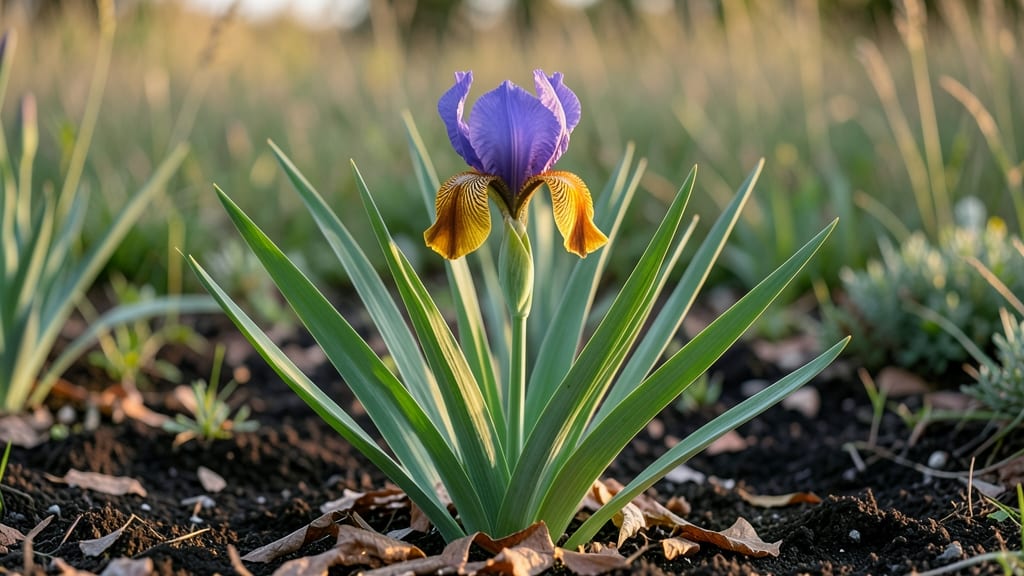
Yes, iris is a perennial plant that returns year after year from its hardy underground structures, though some varieties may weaken after 3-5 seasons without proper maintenance.
This hardiness comes from iris's unique underground storage systems—either thick, fleshy rhizomes or bulbs—that store energy for regrowth each spring. 🌱 Unlike annuals that complete their life cycle in one season, iris plants enter seasonal dormancy during winter months, only to re-emerge stronger when conditions improve.
The key to their longevity lies in understanding these natural cycles and providing the right growing conditions.
What many gardeners don't realize is that iris actually benefits from occasional division every 3-4 years. This prevents overcrowding and allows the plant to redirect its energy toward producing more vibrant blooms rather than maintaining dense foliage.
The underground structures act like natural batteries, storing nutrients until they're needed for new growth in spring.
💡 In This Article
- How Iris Perennial Growth Works: Rhizomes vs Bulb Types
- Extending Iris Lifespan: Care Tips for Long-Term Garden Success
How iris perennial growth works: rhizomes vs bulb types
The iris's perennial nature stems from its specialized underground storage organs—either rhizomes or bulbs—that function like biological batteries. Rhizomatous irises (like the popular bearded iris) develop thick, horizontal root-like stems that store starches and nutrients.
These rhizomes can grow up to 6 inches long and 1-2 inches thick, with a tough, papery outer layer that protects against rot while allowing moisture absorption. 🌱
Bulbous irises, such as Dutch iris varieties, store energy in layered, onion-like bulbs that can reach 2-4 inches in diameter. These bulbs contain concentric layers of fleshy scales packed with carbohydrates. The key difference is that rhizomes grow above ground level (slightly exposed) while bulbs sit completely below soil.
This structural difference affects their care needs—rhizomes need well-draining soil to prevent rot, while bulbs tolerate slightly moister conditions.
The perennial cycle begins in late winter when stored nutrients trigger new shoot growth. As temperatures rise above 50°F, the plant enters active growth, producing leaves and flower stalks. By late summer, the foliage yellows as the plant enters dormancy, redirecting energy back into its underground storage organs.
This cycle repeats annually, with proper dormancy being critical—irises can't bloom without this seasonal rest period.
What most gardeners overlook is how these storage organs age. After 3-5 years, rhizomes become depleted and crowded, while bulb layers may shrink. This is why division—separating and replanting the underground structures—is essential.
The process stimulates new growth by removing old, exhausted tissue and allowing each section to develop fresh energy reserves. Without division, you'll notice weaker blooms and increased disease susceptibility.
Scientifically, this works because division breaks the plant's natural growth inhibitors. The underground structures produce hormones that regulate spacing—when too crowded, these hormones suppress flowering. Separating the rhizomes or bulbs removes this inhibitory signal, triggering a renewed growth spurt.
For example, a single bearded iris rhizome can produce 3-5 new divisions after proper separation, each capable of producing vibrant blooms the following season.
Consider this comparison: A well-maintained iris with regular division can live for decades, while neglected plants may decline after just 2-3 years. The difference comes down to understanding these biological mechanisms and providing the right growing conditions to support them. 💫