
Planting
A perennial plant is a flowering or non-flowering species that lives for more than two years, regrowing from its root system each spring after winter dormancy, unlike annuals or biennials. Examples include lavender, hostas, and peonies, which thrive in seasonal climates by storing energy underground.
A perennial plant is different from annuals or biennials because it establishes deep root systems that store nutrients and energy underground, allowing it to push back through the soil each spring. 🌱 Unlike plants that complete their life cycle in one season, perennials focus on building resilience—think of them as the marathon runners of the garden world.
Many gardeners love them because they return year after year with minimal replanting, though some may need occasional division to maintain vigor. The key to their survival lies in their ability to adapt to seasonal changes, whether through dormant roots or specialized foliage that sheds in winter.
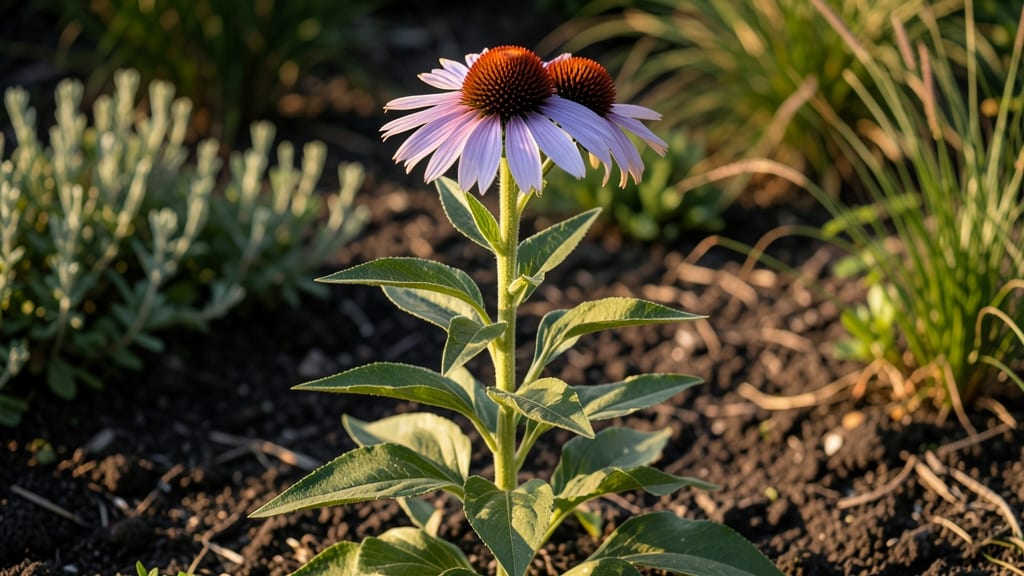
This adaptability makes perennials ideal for low-maintenance landscapes, as they require less frequent replanting compared to annuals. For example, coneflowers and black-eyed Susans not only return annually but also attract pollinators, while sedum thrives in drought-prone areas.
Understanding their growth patterns helps you design gardens that flourish with minimal intervention over time.
💡 In This Article
- How Perennial Plants Survive Winter Dormancy
- Choosing Perennials for Your Garden Climate
How perennial plants survive winter dormancy
The secret to a perennial's resilience lies in its underground storage system. Unlike annuals that complete their life cycle in one season, perennials develop specialized root structures like rhizomes (horizontal stems), tubers (thickened roots), or corms that store carbohydrates and nutrients.
These structures act like natural batteries, converting sunlight into energy during growing seasons and storing it for winter. For example, peonies store energy in thick, fleshy roots that can survive temperatures as low as -30°F, while daylilies use rhizomes that regenerate quickly in spring.
Temperature plays a crucial role in triggering dormancy. Most perennials enter a state of reduced metabolic activity when temperatures drop below 40°F, slowing growth but preserving energy.
Evergreen perennials like boxwoods have adapted by producing waxy leaf coatings that prevent water loss, while deciduous types like hostas drop their leaves to conserve energy.
The USDA Plant Hardiness Zone Map helps gardeners match plants to local winters—zone 5 perennials (like coneflowers) thrive in areas with -20°F winters, while zone 9 varieties (like bougainvillea) need milder conditions.
Water management is another key survival strategy. Many perennials develop deep taproots that access moisture from lower soil layers, while others like sedum have succulent leaves that store water. This adaptation allows them to survive drought conditions during dormancy.
The trade-off? Some perennials need well-draining soil to prevent root rot—a critical factor when selecting plants for heavy clay or sandy soils.
Light exposure also influences dormancy patterns. Perennials in shady gardens (like ferns) grow more slowly in summer to conserve energy, while sun-loving varieties (like lavender) may need winter mulch to protect their roots from freezing.
Mulching with 3-4 inches of organic material (like straw or shredded leaves) insulates roots and maintains consistent soil temperatures, which is especially important in regions with fluctuating winter temperatures.
What most gardeners don't realize is that perennials often undergo a "false start" in early spring. Cold-sensitive varieties may push up tender shoots that get damaged by late frosts.
This is why experienced gardeners wait until the last frost date (typically April 15 in most regions) before pruning back dead foliage—it protects emerging shoots from temperature swings. The result? A stronger plant that blooms more vigorously in subsequent years.
The biological clock of perennials also includes a built-in "memory" system. After several years of growth, many perennials enter a phase where they focus more on root development than flowering—a strategy called juvenility.
This is why some peonies take 3-5 years to reach their full flowering potential. Understanding this cycle helps gardeners avoid over-fertilizing young plants, which can delay their maturity.