
Flowers
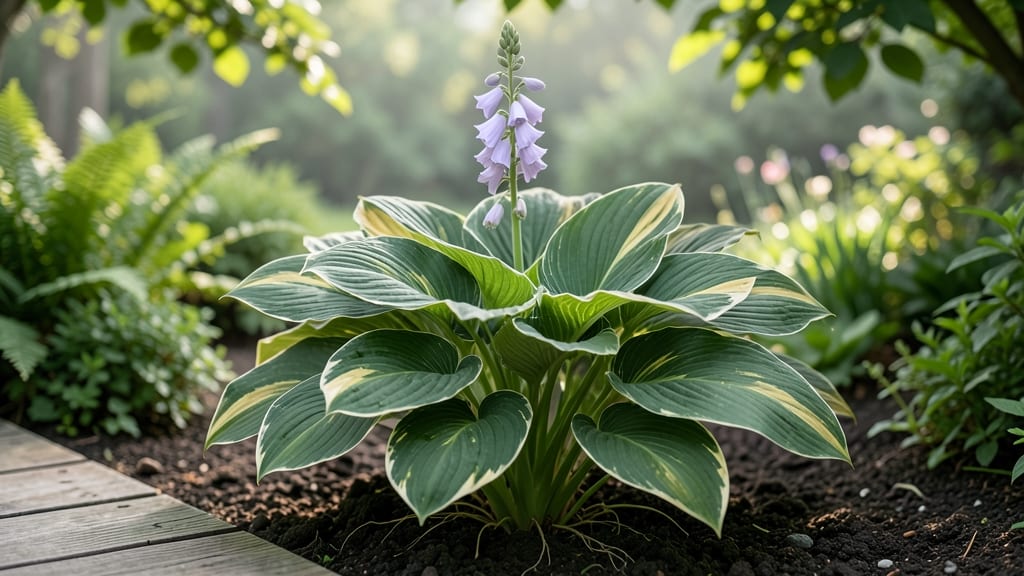
Yes, hosta is a perennial plant that returns every year because its thick underground rhizomes store nutrients and energy, allowing it to regrow foliage annually in temperate climates.
Hosta's perennial nature comes from its specialized underground stems called rhizomes, which act like natural energy banks.
These thick, fleshy roots store carbohydrates and nutrients during dormancy, fueling new growth each spring. 🌱 Unlike annuals that die back completely, hostas simply enter a resting phase in winter, then burst back with vibrant leaves. This makes them ideal for gardeners seeking low-maintenance, long-term foliage plants.
What's fascinating is how these rhizomes also enable natural propagation. As they expand underground, they produce new shoots that can be carefully divided and replanted to create identical plants. This built-in multiplication system means your hosta garden can grow exponentially with minimal effort—just divide and replant every few years.
💡 In This Article
- How Hosta Rhizomes Ensure Perennial Growth
- Best Practices for Long-Term Hosta Perennial Care
How hosta rhizomes ensure perennial growth
Hosta rhizomes are the secret weapon behind this plant's perennial success. These thick, horizontal underground stems store carbohydrates like starches and sugars—similar to how potatoes store energy in their tubers.
During dormancy, the rhizome's cells convert stored nutrients into protective compounds, allowing the plant to survive freezing temperatures down to -20°F in some varieties. This survival mechanism is what distinguishes hostas from annuals, which die back completely after one growing season.
The rhizome's structure is fascinating: it's segmented into nodes that can produce new shoots. Each node contains dormant buds capable of sprouting when conditions are right. In spring, these buds receive signals from increasing daylight and soil warmth, triggering the release of stored energy to fuel rapid leaf growth.
This process ensures hostas emerge year after year with their signature broad foliage, often in striking colors like blue, green, or variegated patterns.
What most gardeners don't realize is how aggressive these rhizomes can become. A single hosta plant can expand its rhizome network by 12-18 inches per year, creating a dense underground web. This expansion isn't just for survival—it's also how hostas naturally propagate.
The outer rhizome segments can produce new shoots that eventually form separate plants, which is why hosta gardens often spread beyond their original planting area. This built-in multiplication system makes hostas incredibly resilient and self-sustaining.
The rhizome's ability to regenerate also explains why hostas bounce back so well from damage. Even if the above-ground foliage is completely frost-killed in winter, the rhizome remains protected just below the soil surface.
When spring arrives, the plant simply draws on these stored reserves to produce fresh leaves within 2-4 weeks, depending on the variety and climate. This rapid recovery is one reason hostas are so popular in shaded garden areas where other perennials might struggle.
Interestingly, hosta rhizomes also play a role in the plant's defense system. They produce secondary metabolites that deter herbivores and pathogens. These compounds give hostas their characteristic slightly bitter taste, which many garden pests find unappealing.
This natural protection, combined with their underground storage system, creates a nearly foolproof survival strategy that's been perfected over centuries of evolution in temperate forest understories.
For gardeners, this biological advantage translates to minimal maintenance. Unlike annuals that require replanting every year, hostas deliver consistent foliage performance with proper care. Their ability to regenerate from just a small rhizome piece means even damaged plants can often be revived by simply replanting a healthy section.
This makes hostas one of the most forgiving perennials for both beginner and experienced gardeners alike.