
Aphids
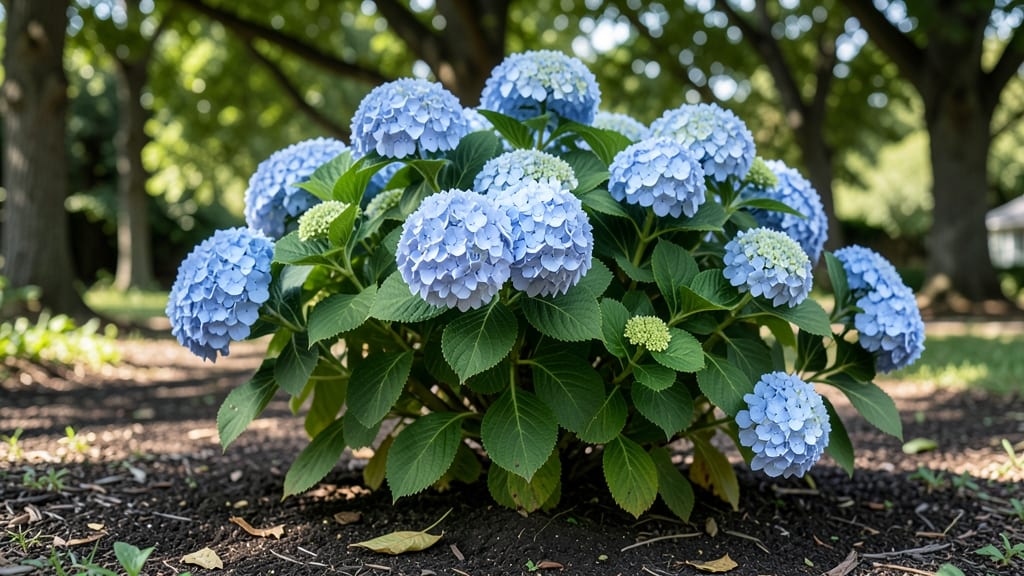
Hydrangeas are perennials in most climates, relying on their resilient underground rhizomes to regenerate each year. Cold-tolerant varieties like Bigleaf and Oakleaf naturally return annually in zones 4-9, while tropical species require seasonal care to persist.
These woody root systems act like nature's storage units, accumulating starches and nutrients during the growing season to fuel new growth in spring. 🌱 The key difference between hardy and tropical hydrangeas lies in their rhizome depth and cold resistance—while Bigleaf types can survive -20°F winters, tropical varieties like Hibiscus hydrangea need protection when temperatures drop below 20°F.
Understanding your local hardiness zone determines whether your hydrangeas will thrive as true perennials or need annual replanting.
For gardeners in transitional zones, proper winter mulching (adding 4-6 inches of organic material) can extend perennial growth by insulating rhizomes. The deeper the mulch layer, the better it preserves moisture and moderates soil temperature fluctuations that could stress these underground structures.
This simple practice often makes the difference between a plant that returns reliably and one that struggles to reestablish itself each spring.
💡 In This Article
- How Hydrangea Rhizomes Sustain Perennial Growth
- Caring for Hydrangeas Year-Round: Winter Protection Tips
How hydrangea rhizomes sustain perennial growth
Hydrangea rhizomes function like nature's underground power banks, storing carbohydrates and nutrients during the growing season to fuel new growth each spring. These horizontal, woody roots grow just below the soil surface, typically within 6-12 inches of depth, allowing them to access moisture while remaining protected from extreme cold.
The starches stored in rhizomes can sustain the plant through dormancy, with some varieties like Oakleaf hydrangeas capable of surviving -20°F temperatures thanks to their deep, insulated root systems.
The regeneration process begins in early spring when rising temperatures trigger hormonal signals in the rhizomes. Buds form along the rhizome's nodes, which are specialized growth points that can produce both leaves and flowers.
Evergreen types like Oakleaf hydrangea have a slight advantage—their persistent foliage provides year-round photosynthesis, supplementing the rhizome's energy reserves. In contrast, deciduous varieties rely entirely on stored nutrients, making proper winter care even more critical for their survival.
Seasonal dormancy is where hydrangeas demonstrate their true resilience. During winter, rhizomes enter a state of metabolic slowdown, conserving energy while still maintaining cellular integrity.
The key to this survival mechanism lies in the rhizome's ability to regulate water content—too much moisture can cause rot, while too little leads to desiccation. This delicate balance explains why consistent soil moisture (but not soggy conditions) is essential during both growing and dormant seasons for perennial hydrangeas.
Temperature zones play a decisive role in determining whether hydrangeas will return annually. In zones 4-9, cold-hardy varieties like Bigleaf and Oakleaf establish permanent root systems that regenerate reliably each year.
However, in zones 10-11, tropical species such as Hibiscus hydrangea struggle to survive winter temperatures below 20°F, often requiring annual replanting unless given special protection. The rhizome's ability to adapt to local climate conditions explains why some hydrangeas thrive as perennials while others need seasonal care.
What sets hydrangea rhizomes apart from other perennials is their capacity for vegetative reproduction. Even if the above-ground stems die back completely, the rhizome can produce multiple shoots from different nodes, creating a bushier plant over time.
This regenerative ability makes hydrangeas particularly forgiving—even if you accidentally cut back too much in late winter, the rhizome will often compensate by sending up new growth from dormant buds.
For gardeners in transitional zones (like zone 7b), understanding rhizome behavior helps explain why some hydrangeas flourish while others fail.
The difference often comes down to microclimate factors: a south-facing slope might provide enough warmth for a zone 6 plant to survive, while a low-lying area could push it into zone 5 conditions.
Paying attention to these subtle environmental cues can help you create the ideal conditions for perennial hydrangea growth.