
Flowers
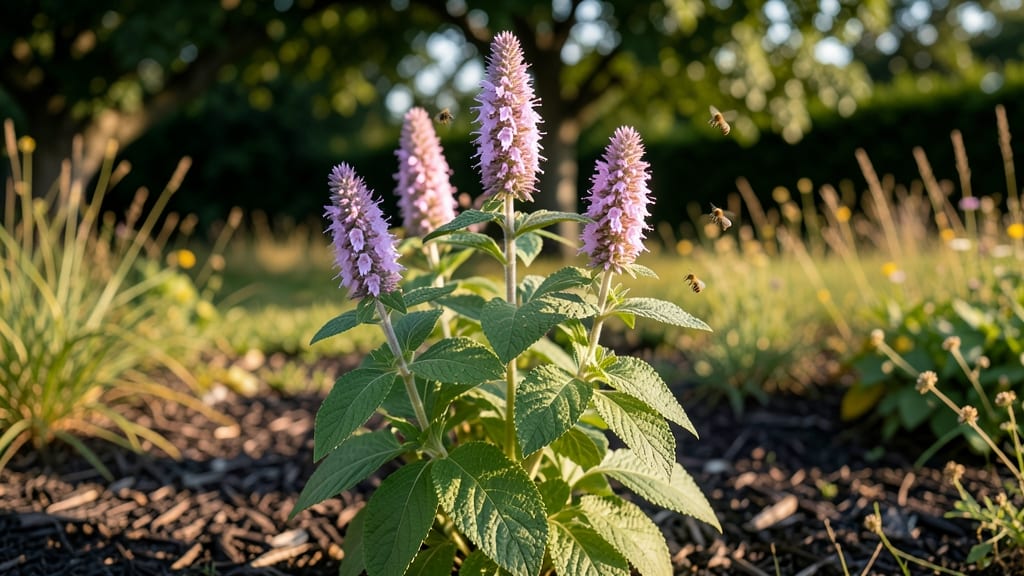
Bergamot is a perennial in USDA hardiness zones 5-9, thriving for 3-5 years before gradual decline. Its woody stems and deep roots return annually, though some varieties may self-seed or require division to prolong vigor.
Bergamot plants grow as perennials because their woody stems and extensive root systems survive winter dormancy, regrowing each spring from the ground up. 🌱 Unlike annuals that complete their life cycle in one season, bergamot's hardy nature lets it persist for multiple years—though its vigor naturally diminishes after 3-5 years.
The key difference between perennials and biennials is that bergamot doesn't complete its life cycle in two years; instead, it focuses energy on root development and flower production annually.
This hardiness makes bergamot a favorite for pollinator gardens, as it reliably returns year after year with minimal intervention. However, its lifespan can vary based on growing conditions like soil quality and sunlight exposure.
In colder zones near the edge of its hardiness range (like zone 5), providing winter mulch can help extend its productive years.
💡 In This Article
- Bergamot Plant Lifespan and Growth Habits
- Extending Bergamot’s Perennial Performance
Bergamot plant lifespan and growth habits
The true reason bergamot acts as a perennial lies in its woody base and fibrous root system that persists through winter dormancy. Unlike herbaceous annuals, bergamot develops a semi-woody stem base that stores nutrients and protects the plant's core during freezing temperatures.
This woody structure allows the plant to regenerate new growth each spring from the same root crown, which can extend up to 2 feet deep in ideal conditions. 🌿
Seasonal dormancy plays a crucial role in bergamot's perennial nature. During winter months, especially in zones 5-6, the plant's above-ground growth dies back completely, but the root system remains active just below the frost line.
This underground activity ensures the plant can quickly rebound in spring, often producing new shoots within 2-3 weeks of warming temperatures. The plant's ability to photosynthesize through its evergreen-like foliage during mild winters further supports its perennial classification.
Soil quality dramatically impacts bergamot's lifespan and growth vigor. Well-draining soil with a pH between 6.0-7.5 provides optimal conditions for root development, while heavy clay soils can lead to root rot and premature decline.
In areas with poor drainage, bergamot may only thrive for 2-3 years before succumbing to fungal infections. The plant's deep root system also makes it drought-tolerant once established, though consistent moisture during its first growing season is crucial for proper root development.
Light exposure affects both the plant's flowering performance and longevity. Bergamot requires full sun (6-8 hours daily) to produce its signature lavender-blue flowers, but in hotter climates (zones 8-9), afternoon shade can prevent leaf scorch while maintaining flowering.
The plant's ability to handle partial shade makes it adaptable to various garden settings, though reduced sunlight may shorten its lifespan by 1-2 years compared to full-sun conditions.
What often confuses gardeners is bergamot's potential to self-seed. While not a true biennial, some varieties may produce abundant seeds that germinate in subsequent years, creating dense patches.
These volunteer plants often have shorter lifespans (1-2 years) than those grown from cuttings or divisions, as they compete with established plants for resources. The original parent plant, however, maintains its perennial nature through proper care and division every 3-4 years. 🌱
One fascinating aspect of bergamot's growth is its ability to produce both flowers and aromatic foliage simultaneously. The plant's essential oil content peaks during flowering season but remains present in the leaves throughout its active growing period.
This dual productivity contributes to its perennial appeal, as gardeners can harvest both flowers for tea and leaves for culinary uses during the same growing season.