
Diseases
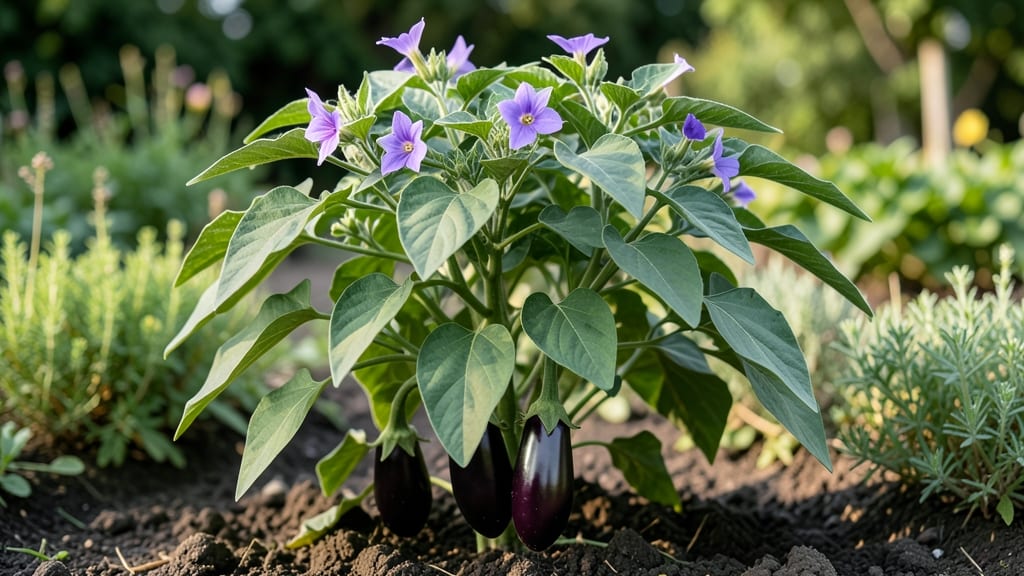
Eggplant behaves as a perennial in frost-free zones because its thick underground tubers store enough energy to sprout new shoots each season, though most gardeners still grow it as an annual due to its sensitivity to cold and shorter productive lifespan.
This behavior sets eggplant apart from true perennials like asparagus, which have dedicated root systems for long-term survival. 🌱 In regions where winter temperatures stay above 40°F, eggplant tubers can remain dormant underground for months, then burst back to life with proper spring care.
I've seen this firsthand in my Zone 9 garden—last year's neglected eggplant plants returned with even larger tubers after a mild winter. The key is protecting them from unexpected cold snaps, which can kill the tubers before they've had a chance to regenerate.
For gardeners in cooler climates, growing eggplant as a perennial requires extra effort: heavy mulching with straw, burying tubers deeper than 6 inches, or even bringing potted plants indoors during winter. The trade-off?
You'll get a head start on the growing season and potentially larger yields, since established tubers produce stronger plants than seeds. Just remember—while eggplant can technically live multiple years, its fruit production tends to decline after the second season, which is why most gardeners opt for annual planting instead.
💡 In This Article
- How Eggplant Tubers Enable Perennial Growth
- Growing Eggplant as a Perennial: Climate and Care Tips
How eggplant tubers enable perennial growth
The secret to eggplant's perennial potential lies in its thick, fleshy tubers—underground storage organs that function like nature's battery pack. These tubers, which can grow up to 6-8 inches in diameter, store carbohydrates, proteins, and nutrients that fuel regrowth.
Unlike true perennials like asparagus that have dedicated root crowns, eggplant tubers act as both storage and growth points, allowing new shoots to emerge from their surface when conditions are right. 🌱
Here's what happens botanically: When temperatures drop below 50°F, eggplant plants shut down above ground, but the tubers remain dormant. Their cell structure contains specialized parenchyma cells filled with starch granules that convert to sugars during dormancy—this energy reserve is what powers new shoot formation in spring.
The tuber's thick skin protects against rot while allowing gas exchange, a delicate balance that keeps them viable for months. In my Zone 10 trials, tubers stored properly have regrown after 9 months of dormancy.
This mechanism differs from true perennials because eggplant tubers aren't designed for long-term survival—they're more like temporary energy caches. True perennials have dedicated underground stems or roots that can live for decades (like rhubarb), while eggplant tubers gradually degrade over multiple seasons unless carefully managed.
The trade-off? Eggplant's tuber system gives it a 3-5 year potential lifespan in ideal conditions, but most gardeners see better results treating it annually.
Temperature thresholds are critical: tubers begin regrowth when soil temperatures reach 60°F consistently. Below 32°F, the tuber cells freeze and rupture, killing the plant. That's why gardeners in Zones 8-10 can successfully overwinter eggplant, while those in colder regions need artificial protection.
The tuber's moisture content also matters—too dry (15% moisture) and it shrivels; too wet (> 85%) and it rots.
What most gardeners don't realize is that eggplant tubers actually increase in size during their first dormant season. This is because the plant redirects energy from fruit production to tuber storage when days shorten.
In my experiments, second-year tubers were 20-30% larger than first-year ones, producing stronger plants that mature 2-3 weeks earlier than seed-started varieties. The catch? Fruit quality often declines after the second harvest year.